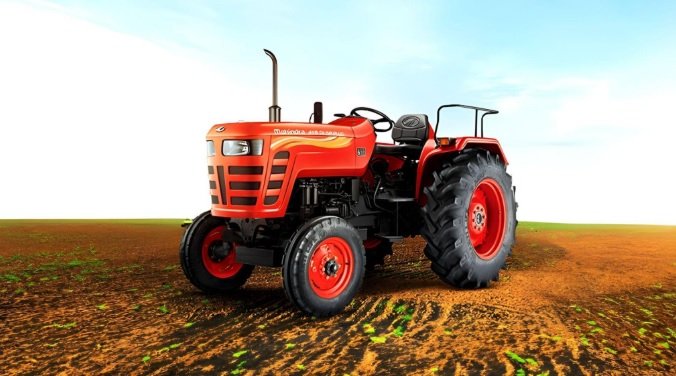
Rice transplanting begins with a field that has been properly puddled, softened and levelled. Mahindra Paddyvator helps prepare this wet seedbed by working the soil, breaking clods, disturbing weeds and mixing the upper layer so the field can move towards transplanting.
The implement is used during wet land preparation, when soil and water need to be worked together. Its role supports several connected operations that make the field suitable for the next stage of paddy cultivation.
Preparing the Field for Puddling
Before puddling begins, the field needs sufficient moisture for the soil to soften. Water is allowed to remain so that tough patches and clods become easier to work.
At this stage, farmers generally pay attention to:
- Soil softness across the field
- Distribution of water
- Remaining hard or dry patches
- Presence of weeds and residue
- Ease of tractor movement
Good preparation gives the Paddyvator a more consistent surface to work on and can reduce the need to repeatedly work the same areas.
Breaking Down Wet Soil and Clods
One of the main jobs during paddy preparation is reducing large soil clods. The Mahindra Paddyvator uses rotating blade action to cut into wet soil, break larger lumps and mix the worked layer.
For rice farming, this aspect matters because transplanting requires a soft seedbed rather than a rough surface with hard patches.
| Before Working | During Puddling | Field Condition Needed |
| Large clods | Blades cut and turn soil | Fewer hard lumps |
| Uneven wet patches | Soil and water are mixed | More workable surface |
| Standing weeds | Growth is disturbed | Cleaner working area |
| Rough upper layer | Soil is pulverised | Better base for levelling |
The aim is to work the soil only as much as field conditions require.
Mixing Soil and Water More Evenly
Puddling works the upper soil layer together with water. Instead of simply loosening dry soil, the Paddyvator works in wet conditions and keeps turning the softened layer.
This movement can help:
- Mix soil and water through the worked area.
- Reduce isolated hard sections.
- Break any clods that remain after initial wetting.
- Prepare a manageable surface for levelling.
Operators still need to watch how the soil responds and focus additional work only where required.
This stage also helps the operator identify whether the field is responding evenly to puddling. Where some areas remain firmer or rougher than others, attention can be directed there instead of adding unnecessary passes across sections that are already in a suitable condition for transplanting.
Disturbing Weeds during Wet Tillage
Weeds present before transplanting can make field preparation more difficult. As the Paddyvator works through wet soil, its blades also disturb weed growth within the cultivated layer.
Among different tractor implements, a paddy-specific rotavator suits this wet-tillage stage because soil working and weed disturbance can take place during the same operation.
Farmers can then inspect whether:
- Standing weeds remain.
- Roots or residue are collecting.
- Some sections need another pass.
- The field is now ready for levelling.
This process keeps weed disturbance connected to seedbed preparation.
Creating a Workable Seedbed
A transplanting-ready field needs more than wet soil. The upper layer should be soft, mixed and free from major clods that could interfere with planting.
Mahindra Paddyvator is designed for puddling, soil pulverisation, weed control and seedbed preparation for paddy transplanting. Its puddling-oriented rotor works through wet soil and supports preparation of the upper layer before transplanting.
In practical terms, the implement helps by:
- Loosening wet soil
- Breaking remaining clods
- Mixing the worked layer
- Disturbing weeds
- This process leaves the field ready for levelling.
The final condition depends on soil type, moisture and field operation.
Preparing the Surface for Levelling
Puddling and levelling are closely connected. The Paddyvator first breaks and mixes wet soil; levelling then helps correct high and low spots across the field.
The sequence generally moves in this order:
- Wet the field to a workable condition
- Carry out puddling with the Paddyvator
- Inspect the surface for clods and stubborn patches
- Rework sections needing further attention
- Level the field where required
- Check water distribution before transplanting
This sequence keeps the preparation focused on the condition needed for planting.
Keeping Water Conditions Suitable
Water management affects puddling. Too little moisture may leave soil difficult to break, while excess standing water can make it harder to judge the worked layer.
During operation, farmers can watch:
- Whether soil is softening properly
- Whether water is spread across the field
- Whether hard patches remain
- Whether the tractor moves steadily
- Whether the surface is manageable for levelling
Water condition and soil response therefore need to be assessed together.
Matching the Implement to the Tractor and Field
Proper matching influences how effectively the Paddyvator can work. It should be used with a compatible tractor and under suitable field conditions.
Before starting, it is useful to check:
- Attachment and hitch condition
- Blade and rotor condition
- Tractor compatibility
- Soil moisture and field access
- Turning space
- Safe operating practices
These checks support steady operation during puddling.
Checking Readiness before Transplanting
The field should be assessed after puddling rather than assuming the job is complete after a fixed number of passes. The condition left behind matters more than operating time.
Before transplanting, farmers can look for:
- A soft, workable upper layer
- Fewer large clods and hard patches
- Reduced standing weed growth
- A surface that can be levelled properly
- Suitable water distribution
- No obvious sections that could hinder planting
If only one part still needs attention, that section can be worked instead of repeating the operation across the field.
Conclusion
Mahindra Paddyvator helps prepare fields for rice transplanting by working through wet soil during puddling, breaking clods, mixing the upper layer, disturbing weeds and creating a workable base for levelling. Each operation moves the field closer to the condition required before seedlings are placed.
Its role is strongest when puddling is treated as part of a complete preparation sequence that also includes moisture management, field inspection and levelling. By focusing on actual soil condition at every stage, farmers can prepare the field systematically for rice transplanting.