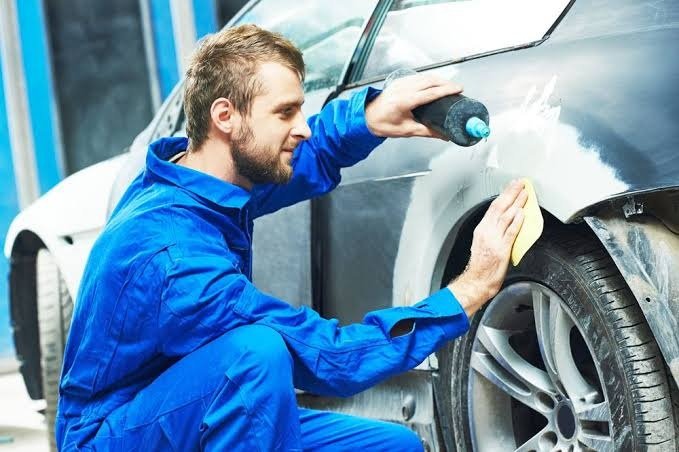
A vehicle collision can leave behind anything from minor dents and scratches to significant damage affecting multiple body panels. Even when a car appears to have sustained only external damage, the impact may affect underlying structural components, alignment, and other important parts. Professional repairs help restore the vehicle’s appearance, functionality and structural integrity.
Understanding how the repair process works can help vehicle owners make informed decisions after an accident. From the initial damage assessment to panel restoration, colour matching and final quality checks, each stage plays an important role in returning a vehicle to a suitable condition for the road.
What Happens to a Vehicle During a Collision?
When two vehicles collide, or a car strikes an object, the force of impact is transferred through its body structure. Depending on the speed, angle, and location of the collision, different components may be affected.
Common types of collision damage include:
- Dented body panels: Doors, bonnets, guards, and bumpers can become dented or misshapen.
- Scratched paintwork: Contact with another vehicle or object can damage the paint’s protective layers.
- Structural damage: More severe impacts can affect the vehicle’s frame and supporting components.
- Misaligned panels: Collision forces can shift panels, affecting door gaps, boot alignment, and overall appearance.
- Damaged fittings: Headlights, grilles, mirrors and other attached components may become loose or broken.
Identifying both visible and hidden damage is essential before deciding which repairs are required.
How Does Professional Panel Beating Work?
Professional panel beating involves repairing, reshaping, or replacing damaged vehicle body components to restore their original contours as closely as possible. The repair approach depends on the severity of the damage, the affected materials, and the vehicle’s construction.
The process generally involves several stages.
1. Initial Vehicle Inspection and Damage Assessment
The first step is a thorough inspection of the damaged vehicle. Repair professionals examine the affected panels, surrounding components, and visible structural areas to understand the extent of the collision damage.
This assessment helps determine whether a damaged panel can be repaired or needs replacement. It also helps identify areas that may require further inspection once damaged components are removed.
2. Removing or Reshaping Damaged Panels
Once the repair requirements are established, technicians begin restoring the affected areas.
Minor dents may be corrected using specialist tools and reshaping techniques. More extensive damage may require removing a panel, repairing its structure, or replacing it with a suitable component.
The objective is to restore the correct shape and alignment while maintaining the vehicle manufacturer’s specifications wherever applicable.
3. Restoring Structural Alignment
More significant collisions can affect the alignment of a vehicle’s body structure. Even relatively small alignment differences can influence how doors, bonnets and other components fit together.
Where required, specialist measuring and straightening equipment helps technicians identify alignment issues and carry out the necessary corrections.
This stage is particularly important because the vehicle’s structural components contribute to its overall safety and performance.
4. Surface Preparation and Paint Matching
After the bodywork has been completed, the repaired surfaces are prepared for refinishing.
This can involve smoothing, filling minor imperfections, sanding and applying appropriate primers. The surface preparation process helps create a consistent foundation for the new paint.
Technicians then work to match the existing vehicle colour and finish. Professional colour matching is important for achieving a consistent appearance between repaired and surrounding panels.
5. Reassembly and Final Quality Inspection
Once painting and refinishing are complete, removed components are refitted and checked for correct positioning.
The repaired vehicle undergoes a final inspection to assess panel alignment, paint consistency, component fitment and the overall quality of the completed work.
A thorough quality check helps identify any remaining issues before the vehicle is returned to its owner.
How Does Car Insurance Help Cover Collision Repairs?
Repairing a collision-damaged vehicle can involve multiple processes, replacement components and specialist labour. Depending on the circumstances, car insurance may help cover eligible repair expenses.
The coverage available depends on the policy type, applicable exclusions, excess, and circumstances of the accident.
For vehicle owners considering car repair insurance in Mandurah, understanding the claims process can make arranging repairs more straightforward.
Here are some important steps to consider after an accident:
Document the Accident and Vehicle Damage
Where it is safe to do so, take photographs of the accident scene, vehicle damage, and any relevant details. Exchange information with other parties involved and collect witness details where appropriate.
This information can help when explaining the circumstances of the accident to the insurance provider.
Contact the Insurance Provider
Notify the insurer about the accident and follow its instructions for lodging a claim. Provide the requested information, including photographs, incident details and any supporting documentation.
It is also important to review the policy to understand the applicable excess, repair conditions and any requirements concerning the choice of repairer.
Arrange a Vehicle Damage Assessment
The insurer may arrange an assessment to determine the extent of the damage and the repairs required.
Depending on the policy, the vehicle owner may be able to nominate a preferred repairer or may need to use an insurer-approved repair network. Always confirm the relevant arrangements before authorising repair work.
Obtain Repair Authorisation
Before repair work begins, confirm that the insurer has approved the relevant repairs. If additional damage is identified during the repair process, further assessment or approval may be required.
Clear communication between the repairer, insurer and vehicle owner helps keep the process organised.
What Should You Consider When Choosing a Collision Repairer?
Selecting a suitable repairer is an important part of restoring a collision-damaged vehicle. While convenience matters, vehicle owners should also consider the repairer’s experience, facilities, and approach to quality.
Some important factors include:
- Experience with different vehicle damage: Look for a repairer familiar with the types of collision damage affecting your vehicle.
- Repair assessment process: A thorough inspection helps identify visible and underlying damage before work begins.
- Quality of workmanship: Ask about the repair methods, materials and finishing processes used.
- Insurance claim coordination: Confirm whether the repairer can assist with the assessment and communication required during the insurance process.
- Clear communication: Updates about repair progress, additional work and expected completion are important throughout the process.
Taking the time to understand these factors can help vehicle owners make a more informed repair decision.
Why Is Professional Collision Repair Important?
Leaving collision damage unattended can create further problems. Damaged panels may expose underlying materials to moisture, while misaligned components can affect how vehicle doors, bonnets, and other fittings operate.
More importantly, damage affecting structural areas should never be assessed based on appearance alone.
Professional collision repairs help address the underlying damage rather than simply improving the vehicle’s external appearance. Correct repair methods, suitable replacement components, and appropriate finishing techniques all contribute to the quality of the result.
For vehicle owners in the Mandurah area, working with an experienced local repairer can also make it easier to discuss repair requirements and understand the next steps following an accident.
Conclusion
Restoring a vehicle after a collision involves more than removing dents and repainting damaged panels. It requires careful assessment, appropriate repair techniques, structural alignment checks, professional refinishing and a final quality inspection.
Understanding how panel repairs and insurance claims work can help vehicle owners navigate the process with greater confidence. By choosing a suitable repairer and following the insurer’s requirements, drivers can take practical steps towards restoring their vehicles after unexpected collision damage.
Also, Read:
BMW i7: Price in India, Variants, Specifications, Mileage, Features, Interior, Safety and More