In the U.S., there are more than 840,000 blind spot crashes annually with approximately 300 fatalities. These side-impacts contribute 12% of side-impact crashes around the country in 2022, and the automotive sector is competing to eradicate them with smarter technology.
The move toward a global Vision Zero and highly autonomous driving systems is to know how your car sees through things that are not visible is no longer a choice. In 2026, the real advantage of understanding how the Advanced Driver Assistance Systems (ADAS) actually work is to have an actual advantage in more complicated roadways, provided you are buying or driving a vehicle.
What Is the Sensor Fusion Gap?
The Blind Spot Object Detection Systems market is estimated to be 10.38 billion by 2034 with a CAGR of nearly 14. The reason why that type of investment exists is that engineers are still grappling with a fundamental issue: legacy radar-only systems cannot reliably identify smaller objects, like motorcycles and bicycles.
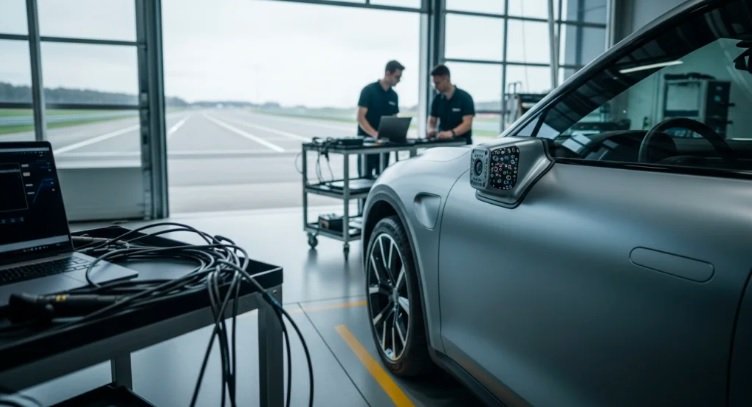
One way automakers are addressing this is by a centralized processing architecture, which is basically a single computing system that receives data delivered by a series of sensors in real-time. Imagine substituting a few isolated security cameras with a single smart control room.
A standout 2026 example? Clientron AI-based detection system that detects the long-standing problem with A-pillar blind spots during intersection turns by using vision recognition. The structural pillars next to your windshield are obstructing a greater view of your car than most motorists are aware.
AI vs. Mechanical Visibility Limits.
The following is a sobering statistic: 88 percent of the blind-spot crashes involving cars are the result of motorcycles. And a more recent AAA study discovered that the traditional blind-spot monitors identified motorcycles at 26 percent slower than they identified regular passenger cars. Thus the individuals that are at the most danger are the ones the technology will be slowest to detect.
This is beginning to be dealt with through software updates in 2026. An example of this is Tesla FSD system, which currently relies on external cameras to track the blind spots and eliminate the possibility of the so-called dooring accidents involving cyclists and pedestrians. Its Blind Spot Warning When Parked option can even prevent the door to be opened into the traffic.
The largest mechanical blind spots challenges in 2026 are:
A-pillar obstructions: Pillars of your structure that are on the sides of your windshield form hidden areas when turning, particularly at crossroads.
Two-wheeler detection lag: Even small motorcycles and bicycles have a longer lag to be processed by software than larger vehicles.
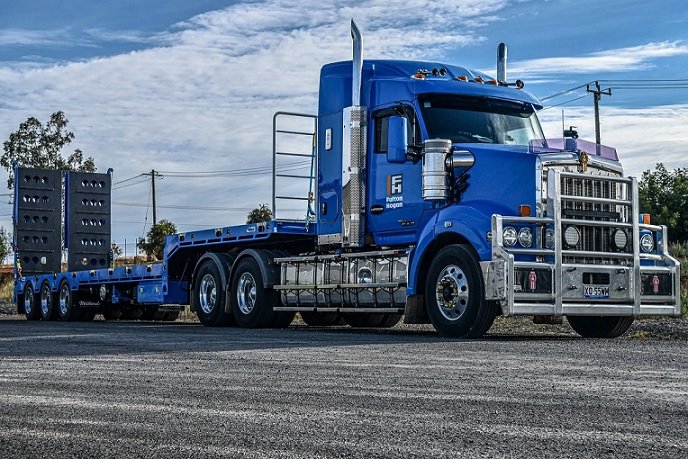
Commercial vehicle no-zones: The right side of a semi-truck is almost two full lanes and the entire length of the trailer, and thus the riskiest blind spot on any highway.
Parked car hazards: Stationary dooring accidents remain to hurt moving cyclists and pedestrians who stroll into the way of an open door.
when Sensors Fail: The Legal Reality.
All this technology is futuristic, yet what will occur when it fails? In the case where AI does not distinguish a vehicle during a heavy rain or when a driver does not pay attention to a collision warning, the effects are instantaneous. Unnoticed car accident blind spots are one of the dominant causes of serious injuries on highways today, both spinal cord injuries and traumatic brain injuries.
Of all the crashes involving large trucks in the country, 14 percent are due to inadequate visual surveillance. And IIHS research indicates that blind-spot detection technology averts 23 percent of the injury crashes. Without those systems or them failing, it takes no time to become confused with who is to blame.
Insurance companies tend to push the blame in side-impact collisions onto comparative negligence provisions, and thus the opinion of an experienced personal injury attorney is important in case you were injured in a crash where visibility was an issue. A case may be won or lost by professionals familiar with the law of the road, as well as with the new technology in automotive development, especially when the Federal Motor Carrier Safety Administration records that one-third of all truck to car collisions involve truck no-zones.
Market Data: Does The Tech Work?
Brief answer: yes, and the statistics support it. The IIHS discovered that all lane-change crashes are decreased by 14 percent when blind-spot detection systems are in place. The Australian study identified a 15 percent reduction in the number of crashes involving a lane change, particularly among those drivers who have a habit of not checking the mirror.
The fact that AI-driven scanning systems have been integrated into wider visual domains indicates that smart spatial mapping is truly becoming a trustworthy option. Look forward to required upgrades to sensors in the industry in the next few years.
System ArchitecturePrimary SensorProsCons2026 Market Standard Legacy BSMUltrasonic/basic radarLow cost, effective in clear conditions26% slower under motorcycles; misses pedestriansPhasing out in new EV modelsCamera-assisted (sensor fusion)Radar + high-res cameras360° awareness; covers A-pillar zonesHigh repair cost; susceptible to mud/snow
The Roadmap to Vision Zero.
Sensors AI, high-end camera networks, predictive algorithms are rapidly bridging the sensor fusion gap. But car hardware is not flawless just yet. In 2026, highway safety will be based on a hybrid solution: mechanical support accompanied by human attention.
According to industry reports, vulnerability to blind spots within any system will produce vulnerabilities that will require continuous improvement. But utilize all the ADAS capabilities your car provides, but do not rest on the technology. Stay aware. Check your mirrors. And should anything go wrong, be aware of your legal rights before the insurance claims begin to roll in.
Also, Read About –
Range Rover Price, Variants, Mileage, Interior, Features, Specs, Top Speed, Competitors & More