With the rise in popularity of Electric vehicles (EV) over the last few years, we started to see a new and sustainable solution to traditional gas powered cars. Well, with technology advancing as it is and the push towards reducing carbon emissions, it’s no wonder that EVs will be ruling the automotive world ahead. This article will discuss all the best electric cars 2026,What are their pros and cons,And who should you buy from is covered in this post.
We write about the best electric vehicles in the world 2026, what are their functions, autonomy, price as well as its pros and cons and for whom should it be bought! It serves as an all-in-one EV buyer’s guide for readers seeking to identify the right electric model up their money-grubbing sleeves.
Types of EVs
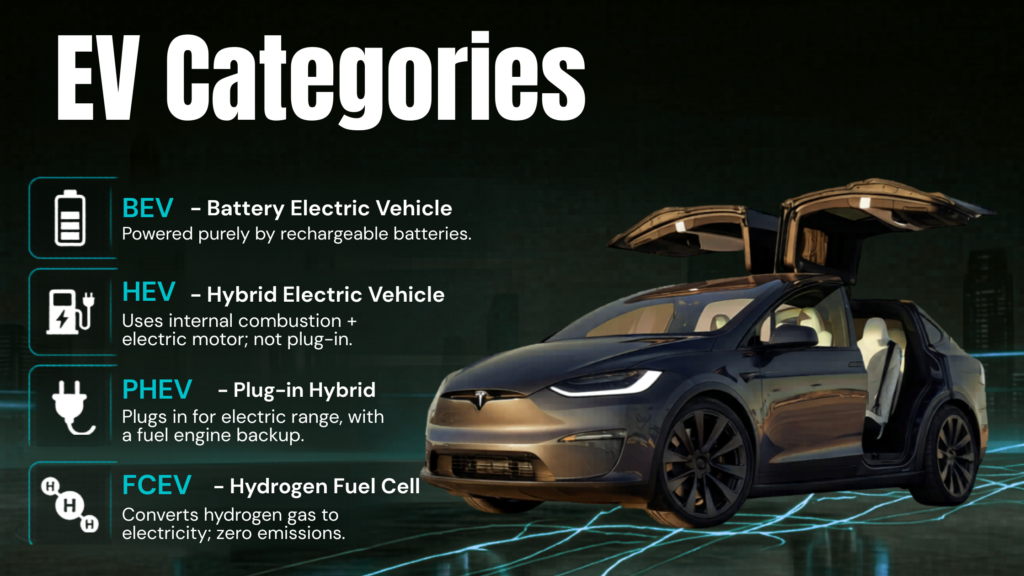
By the time we get into any models of interest, it is worth running through EV types.
BEV: Battery Electric Vehicles — Powered entirely by electricity and has to be connected to an external power source in order for the battery to charge. They have zero direct emissions.
A hybrid uses a gas engine and an electric motor to save you fuel without ever needing to plug in.
Plug-in Hybrid: A plug-in hybrid is a car that has a larger battery (compared to a conventional hybrid) which you can plug into an outlet and drive on only electric power for your daily commute, but still comes with gas engine for long journeys
Hydrogen Electric Vehicles: A Hydrogen EV (also known as a Fuel Cell Electric Vehicle or FCEV) is an electric car that generates its own electricity onboard, not by plugging it into the wall to charge, but with hydrogen bubbles
Advantages of Electric Cars
Less Operating Cost: A major benefit of EVs is their lower operating costs. When electric cars have no gas expenses, and lower maintenance costs, you will likely save a decent wedge of money in the long run.
Instant Torque and Rapid Acceleration: The torque provided by electric motors is almost instantaneous, enabling rapid acceleration in EVs. They are also faster than Ferraris, but can do so without noise and vibration.
Environmental Impact: EVs emit no direct emissions, which makes them a significantly greener choice when compared to gas vehicles. They also decrease our reliance on fossil fuels.
Noise & Vibration Less Ride: Electric cars are naturally quieter and gentler when you drive. It caused by the absence of engine noise or vibrations.
Reduced Maintenance: Electric cars have fewer moving parts, resulting in lower maintenance needs than traditional cars. The same correlates to reduced maintenance costs.
Disadvantages of Electric Cars
Charging Time Problems: In view of the fact that it is one of electric automobiles most serious issues. A full charge can take 30 minutes to overnight, based on the model.
Battery replacement costs—The batteries in electric vehicles do have a limited life and replacing them can be costly.
Lack of Charging Infrastructure — Even though there are an increasing number of charging stations, they still lag behind gas stations in terms of prevalence. This is a potential turnoff for anyone with a desire to take their EV, and especially its driver, on road trips.
Loss of Range Only in Low Temperatures: Cold Weather This can cause an issue for individuals who live in cold climates.
Higher Initial Purchase Price → Traditionally, EVs are more expensive than gas-powered cars. But they will save you money in long run over their operating cost is lesser.
Best Electric Cars in 2026
More Compact Electric SUV: Hyundai Ioniq 5
- Starting Price: ~$35,000 – $48,975
- Highlight: Fast charging, wild retro-futuristic looks and ride quality.
- The Hyundai Ioniq 5, for instance, sold 13,393 units in the U.S. during the first four months of 2026. That roughly translates to an 11 percent year-over-year uptick in the model, turning up at a time when the larger American EV market has shown some signs of softening.
Cadillac Lyriq: Best Midsize Luxury Electric SUV - Highs: Fancy cabin, impressive ride and tech integration.
- August also marked the start of deliveries for the Cadillac Lyriq in the U.S. market, where sales reached 3,370 units in the first reporting period of 2026. Show this is a good, solid start for the brand’s flagship EV and one of the top performing models you can buy in the modern midsize luxury electric segment.
- Best Full-size Luxury Electric SUV: Lucid Gravity
- Highlight: Massive interior room, ultra luxury and super long range.
- In Q12026, the company reported exactly 3,093 global vehicle deliveries.
- Nissan Leaf: Best Subcompact Electric SUV
- Main USP: Very cheap, comfortable ride quality and good build.
- The more affordably-priced, all-new 2026 Nissan Leaf will take the form of a revamped subcompact crossover and continues to be the least expensive new EV on sale in America. Auto sales by month are released on a rolling basis.
Best EVs for Range and Value
- Longest Range (Standard): Tesla Model 3
- Range (Estimate): Up to 341 miles
- Starting Price: ~$39,990
- Tesla was the second best-selling EV maker in the U.S. for the first quarter of 2026, with sales of 31,672 units from its Model 3 over that period.
- Best Family Hauler: Chevrolet Equinox EV
- Estimated Range: 319 miles (all-wheel drive)
- Starting Price: ~$34,995
Chevrolet delivered 9,589 Equinox EVs in the U.S. between January and March of 2026. This made it one of the top-selling non-Tesla electric vehicles
Best Electric SUVs & EVs Compared (2026)
| Vehicle | Category | Estimated Range | Starting Price | Best For | Notable Strengths | Pros | Cons |
| Hyundai Ioniq 5 | Compact Electric SUV | Up to 303 miles | $35,000 – $48,975 | Families & Daily Commuters | Ultra-fast charging, retro-futuristic styling | Spacious cabin, premium interior, quick charging | Rear visibility issues, range drops in cold weather |
| Cadillac Lyriq | Midsize Luxury SUV | Up to 314 miles | $58,000 | Luxury SUV Buyers | Opulent cabin, advanced tech integration | Premium design, quiet cabin, large display | Higher price, limited third-row practicality |
| Lucid Gravity | Large Luxury SUV | Expected 440+ miles | Expected $80,000+ | Luxury Families & Long Trips | Ultra-long range, cutting-edge battery tech | Exceptional comfort, powerful performance | Very expensive, limited initial availability |
| Nissan Leaf | Subcompact EV | Up to 212 miles | $29,000 | Budget EV Buyers | Affordable pricing, proven reliability | Easy city driving, low ownership cost | Older platform, slower charging speeds |
| Tesla Model 3 | Longest Range Standard EV | Up to 341 miles | $39,990 | Long-Distance Drivers | Excellent range, Tesla Supercharger network | Fast acceleration, advanced software | Minimal physical controls, firm suspension |
| Chevrolet Equinox EV | Best Value Family EV | Up to 319 miles | $34,995 | Families Seeking Value | Affordable pricing with strong practicality | Spacious interior, modern tech, high value | Base trims may lack premium features |
Please note: These are estimated prices.
Conclusion
To sum up, electric cars have more advantages than gas-powered cars in terms of lower operating cost and environment friendliness. They also have disadvantages such as slower charging and more expensive initial costs. What Are the Best Electric Cars in 2026? The ultimate question is which you can afford and what your requirements are.
Also Check: Toyota Grand Highlander Hybrid MAX VS Tesla model X