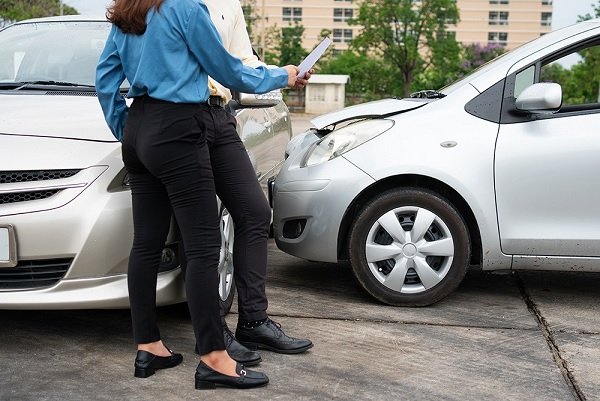
The moments after a car accident are chaotic. Your hands might be shaking, other drivers could be shouting, and it’s hard to know what needs doing first. Most people either freeze up or rush through the wrong things entirely.
But what you do in that first hour can make a real difference, both to your safety and to any claim that follows. Here’s a step-by-step breakdown to help you stay focused when it matters most.
Step 1: Make Sure Everyone Is Safe
Before anything else, check yourself and your passengers for injuries. Don’t assume you’re fine just because you feel calm. Adrenaline can mask pain, and it does so more often than people expect. If anyone is injured or you’re unsure, call 999 immediately and don’t move anyone who may have a neck or back injury.
If the vehicles are driveable and it’s safe to do so, move them to the side of the road. Switch on your hazard lights and, if you have one, place a warning triangle a safe distance behind the scene. Nothing else on this list matters until you’ve sorted that.
Step 2: Gather Evidence That Will Support Your Claim
Once everyone’s safe, start collecting information. If you have a dashcam, make sure the footage is saved before it gets overwritten. Then photograph everything:
- The position of the vehicles
- The damage to each car
- Tyre marks on the road
- Any relevant road signs
- Any visible injuries
Take photos from multiple angles and don’t delete anything, even if it looks minor at first glance. A wide shot showing the full scene can be just as useful down the line as a close-up of the damage.
Step 3: Exchange Details With the Other Driver
You’re legally required to exchange certain information after an accident. Make sure you get:
- The other driver’s full name and address
- Their vehicle registration number
- Their insurance company name and policy number
- Contact details for any witnesses
Don’t discuss fault at the scene. Even a casual apology could be used against you later. Keep the exchange factual and brief. Not hostile, but not overly polite either.
Your Options as a Non-Fault Driver
If the accident wasn’t your fault, you don’t have to go through your own insurer to sort out repairs or a replacement vehicle. A lot of drivers don’t realise this. Calling your insurer might seem like the obvious move, but it can mean paying your excess and potentially affecting your no-claims bonus, even when you weren’t the one responsible.
An alternative is to contact an accident management company. Innocent Driver, for example, handles non-fault claims directly with the at-fault driver’s insurer, arranging repairs and a like-for-like replacement vehicle at no cost to you. There’s no excess involved and your no-claims bonus should remain unaffected.
It’s worth knowing that you don’t need to use a claims management company to make your claim. You can approach the at-fault insurer directly yourself, at no charge. That said, some drivers will prefer to hand the process over to specialists instead of dealing with it themselves.
Step 4: What to Do in the Hours That Follow
If the police weren’t called to the scene but someone was injured, you’ll need to report the accident to the police within 24 hours. Even if there were no injuries, it’s good practice to note down everything while the details are still fresh: the time, the weather, road conditions, and your account of exactly how it happened.
See a doctor if you feel any discomfort, even if it seems minor. Whiplash and soft tissue injuries don’t always show up straight away, and a medical record created close to the incident will carry far more weight than one made weeks later.
Final Take
Staying calm and working through these steps in order will put you in a much stronger position, whether you’re dealing with repairs, a personal injury claim, or just trying to get back on the road quickly.
Safety first, then evidence, then details, then your claim. Do those four things and you’ll have covered the basics well.