As electric vehicles (EVs) become more common, the demand for smarter and more sustainable charging solutions is growing just as quickly. One of the most promising innovations in this space is the solar-integrated EV charger. Combining renewable energy with electric mobility, these systems offer a cleaner, more independent way to power vehicles.
But what exactly are solar-integrated EV chargers, and why are they gaining so much attention? Let’s break it down clearly and practically.
What Is a Solar Integrated EV Charger?
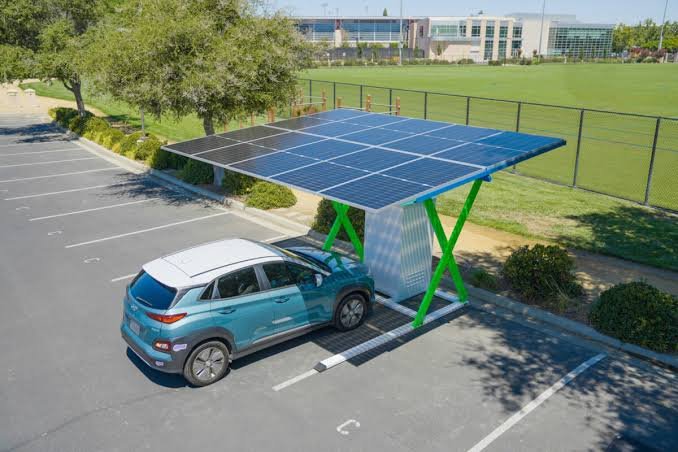
A solar-integrated EV charger is a charging system that uses solar panels to generate electricity and directly or indirectly charge an electric vehicle. Instead of relying solely on the traditional electrical grid, it harnesses energy from the sun, one of the cleanest and most abundant energy sources available.
These systems typically include:
- Solar photovoltaic (PV) panels
- A power inverter
- A charge controller
- An EV charging station
- Sometimes a battery storage system
Depending on the setup, the energy can either be used instantly to charge the vehicle or stored in batteries for later use.
In simple terms, it allows you to “fuel” your EV with sunlight.
How Solar EV Charging Systems Work
The working principle behind solar EV chargers is straightforward but highly efficient.
First, solar panels capture sunlight and convert it into direct current (DC) electricity. This electricity then flows through an inverter, which converts it into alternating current (AC), the type of power most EV chargers and household systems use.
From there, the electricity is directed to your EV charger, where it charges the vehicle’s battery. In more advanced systems, excess energy is stored in a home battery unit, ensuring charging is possible even at night or during cloudy weather.
There are generally three configurations:
- Grid-tied systems – Connected to the electricity grid for backup support
- Off-grid systems – Fully independent with battery storage
- Hybrid systems – Combine solar, grid power, and batteries for flexibility
Each setup offers different levels of independence and efficiency depending on user needs.
Why Solar Integrated EV Chargers Are Becoming Popular
The rise in popularity of solar EV charging is not accidental. It reflects a broader shift toward cleaner energy and smarter technology.
One major reason is cost savings. Once installed, solar energy is essentially free. EV owners can significantly reduce or even eliminate charging costs over time.
Another reason is environmental impact. Traditional electricity often comes from fossil fuels, but solar energy produces no direct emissions. This means every mile driven on solar-charged electricity reduces your carbon footprint.
Finally, energy independence is a huge factor. With a solar charging system, you are less affected by rising electricity prices or grid outages.
Key Benefits of Solar Integrated EV Chargers
1. Lower Long-Term Charging Costs
Although installation can be expensive upfront, solar EV chargers reduce ongoing costs dramatically. After installation, sunlight becomes your main energy source, which significantly lowers electricity bills.
Over time, the savings can offset the initial investment, especially in sunny regions where solar generation is high.
2. Environmentally Friendly Transportation
One of the strongest advantages is sustainability. EVs already reduce emissions compared to gasoline vehicles, and pairing them with solar energy makes them even cleaner.
This combination helps reduce reliance on fossil fuels and supports global efforts to combat climate change.
3. Energy Independence and Reliability
With solar charging, you are not fully dependent on the power grid. This can be especially valuable in areas with unstable electricity supply or frequent outages.
If paired with battery storage, your system can continue providing power even at night or during grid failures.
4. Increased Property Value
Homes equipped with solar energy systems and EV charging stations often see an increase in property value. Buyers are increasingly interested in energy-efficient homes that offer long-term savings and modern features.
Challenges and Limitations
While solar-integrated EV chargers offer many benefits, they are not without challenges.
High Initial Cost
The installation of solar panels, batteries, and charging equipment can be expensive. Although costs have been decreasing over time, the upfront investment is still significant for many households.
Weather Dependence
Solar energy production depends on sunlight. Cloudy days or seasonal changes can reduce efficiency, although battery storage and hybrid systems help address this issue.
Space Requirements
Solar panels require adequate roof or ground space. Not all homes or buildings have enough suitable area for optimal installation.
Charging Speed Variability
Depending on system size and sunlight availability, charging speeds may vary. Larger systems provide faster and more consistent performance.
Who Should Consider Solar EV Charging?
Solar-integrated EV chargers are ideal for:
- EV owners looking to reduce long-term energy costs
- Homeowners in sunny regions with good roof space
- Environmentally conscious drivers
- People seeking energy independence
- Tech-forward households investing in smart home systems
Smart Features in Modern Solar EV Chargers
Modern systems are becoming increasingly intelligent. Many solar EV chargers now come with smart features such as:
- Mobile app monitoring and control
- Real-time energy usage tracking
- Automatic load balancing
- Scheduled charging based on solar availability
- Integration with smart home systems
These features help users optimize energy consumption and maximize savings without manual effort.
The Future of Solar EV Charging
The future of solar-integrated EV charging looks very promising. As battery storage becomes cheaper and solar panel efficiency improves, these systems will become more accessible to the average consumer.
We are also seeing the rise of vehicle-to-grid (V2G) technology, where EVs can not only receive power but also send it back to the grid when needed. Combined with solar charging, this could transform EVs into mobile energy storage units.
Governments in many countries are also encouraging renewable energy adoption through incentives, tax credits, and subsidies, which will further accelerate growth in this sector.
Final Thoughts
Solar-integrated EV chargers represent a powerful step toward a cleaner and more efficient energy future. By combining renewable solar power with electric mobility, they offer a practical solution to reduce costs, lower emissions, and increase energy independence.
While there are still challenges, such as installation cost and weather dependency, ongoing technological improvements are rapidly making these systems more practical and accessible.