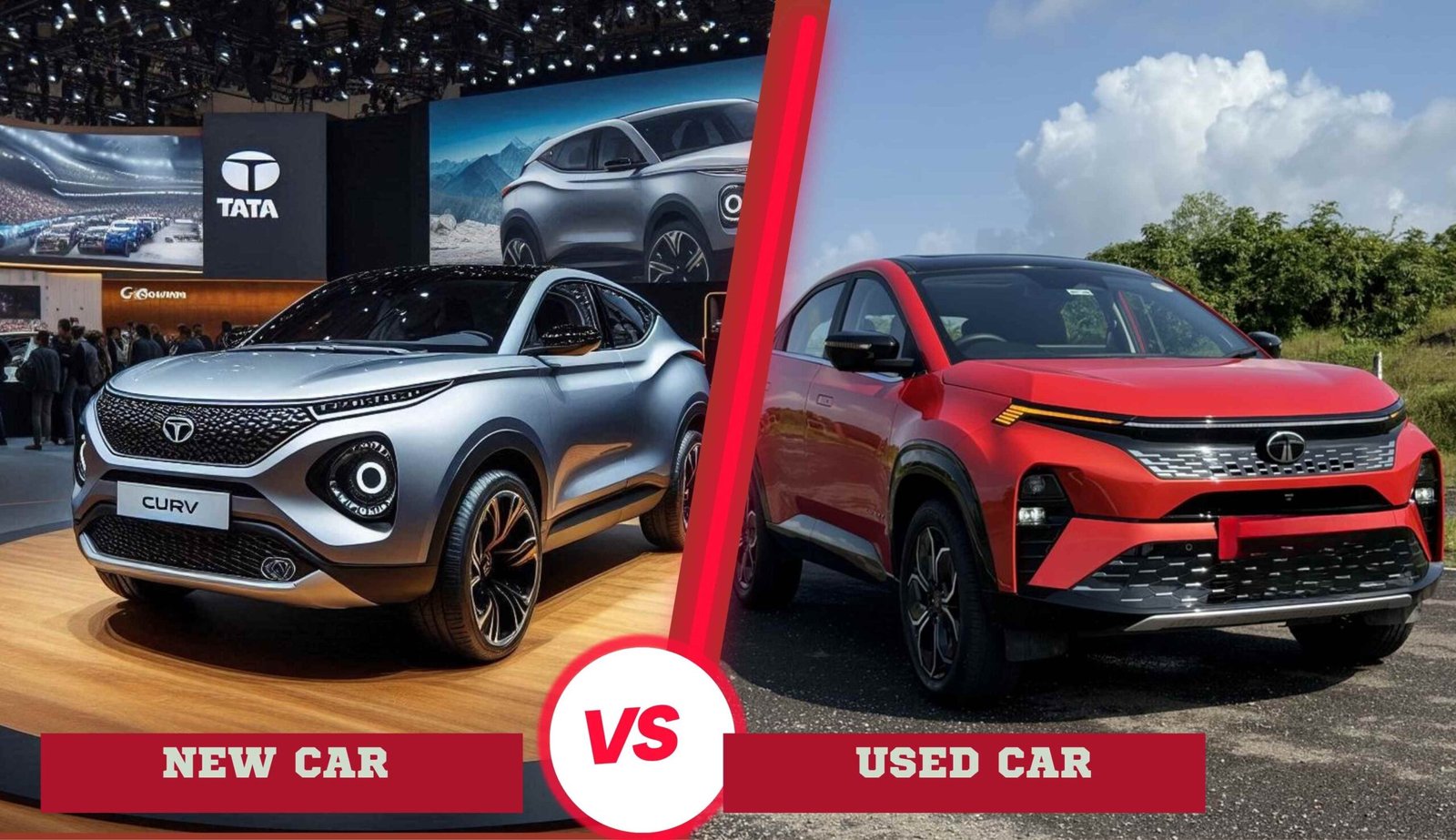
One of the largest financial decisions you will make is to purchase a car and making a choice between a new car or a used car can be difficult. A new car will have the latest technology, warranty and peace of mind, but a used car can also afford you the advantage of thousands of dollars and great value for money. This selection depends on how much you can afford, how you need to drive it and how much it will cost you over time. We are going to look at the advantages and disadvantages of new cars and used cars, covering everything from pricing to depreciation, maintenance, insurance, financing and resale value, in this guide, so you can make the best decision for 2026.
New Car vs Used Car: Overview
Choosing between a new car and a used car is a key financial decision that will depend on your budget, driving needs and whether you plan to keep your car for a long time or not. Many people will choose a new car because it has the latest technology, modern safety features and a manufacturer’s warranty and has no previous owners. But it usually depreciates at a higher rate in the initial few years of ownership, and has a higher price tag when it comes time to buy it.
A used car typically is less expensive, has already had the heaviest depreciation, and you will likely have a lower insurance premium. This way, the buyer can get a higher-end model, or more features without spending extra money. However, if records aren’t available, the used car may have a poorly documented service history, and may lack or have expired warranties.
There are pros and cons to both choices. You can use the purchase price, depreciation, maintenance, insurance, financing, warranty, fuel economy, and resale value when comparing to help you see which one will be more in your favor in 2026.
New Car vs Used Car: Comparison Table
| Factor | New Car | Used Car |
| Purchase Price | Higher | Lower |
| Depreciation | High | Lower |
| Insurance Cost | Expensive | Affordable |
| Warranty | Full Warranty | Limited Warranty |
| Technology | Latest Features | Older Features |
| Maintenance | Lower Initially | Higher |
| Financing | Easier | Moderate |
| Resale Value | Drops Quickly | Stable |
| Safety Features | Advanced | Depends on Model |
| Customization | Available | Limited |
New Car vs Used Car Pros and Cons
Pros of Buying a New Car
Latest technology and features
New vehicles are equipped with cutting edge technology, such as state-of-the-art infotainment systems, smartphone integration, digital screens, navigation, and connected vehicle features that enhance driver convenience and safety.
Manufacturer Warranty Protection
The manufacturer warranty is one of the best advantages of owning a brand new vehicle, as it protects its major parts and prevents unforeseen repair costs from being incurred during the first few years of your possession.
Better Fuel Efficiency
Modern cars boast fuel-efficient engines, hybrid capabilities and better aerodynamics, providing the owner a better return on investment when it comes to fuel.
Advanced Safety Features
Advanced safety features like multiple airbags, adaptive cruise control, blind spot monitoring and automatic emergency braking to keep drivers and passengers safe come standard on new cars.
Reduce initial maintenance costs.
All components are new, which means maintenance is minimal in the early years and repairs will be lower and more reliable.
Easy Financing Options
New cars are easier to purchase since banks and financial institutions provide them with lower interest rates, flexible loan terms and attractive financing packages.
Cons of Buying a New Car
Rapid Depreciation
One of the biggest expenses of purchasing a new car is depreciation, which typically happens rapidly in the first few years of the vehicle’s life.
Higher Purchase Price
A new car is much more expensive than a used car and it will need a bigger initial investment.
Higher Insurance Premiums
New vehicle insurance premiums tend to be more expensive due to higher repair and replacement costs and higher vehicle values.
Registration and Taxes
When purchasing a new vehicle, registration fees, road taxes, dealer fees, and documentation fees can all add up to a significant amount, raising the overall cost of the car.
Pros of buying a Used Car
Lower Purchase Price
This makes used cars much more cost-effective than new vehicles, and therefore may help the shopper save cash and lighten their financial burden.
Slower Depreciation
This will help keep used vehicle resale values more stable over time since most depreciation will have taken place.
Greater Value for Money
In the used car market, buyers may be able to get a bigger, better, or more trim for the same price.
Lower Insurance Costs
Used car insurance rates are normally cheaper as a used car has already lost its worth.
More Choices
The second hand car industry has a great variety of brands, models and price ranges to give customers more choices.
Cons of buying a Used Car
Higher Maintenance Expenses
Older cars may need more repairs and maintenance in the long run, leading to increased maintenance expenses.
Unknown Vehicle History
A car might have been involved in an accident, have a poor maintenance history, or have other problems that were never revealed, so it’s important to check for additional issues.
Limited Warranty
A lot of used cars are no longer under warranty from the manufacturer and the owner will have to pay for repairs himself/herself.
Older Technology
Older vehicles might not have the same information, safety, and driver assistance technologies as newer vehicles.
Important Tips Before Buying a Used Car

Before purchasing a used car, it is important to take into account certain tips.
Service History
Look at the service records to see that it is being service properly.
Accident Records
Check for previous damage or major repairs on accident logs.
Mileage Verification
Do check the odometer reading, to prevent mileage tampering.
Test Drive
Drive the car around and test it out to see if it performs as expected and is in good condition.
Professional Inspection
Have the car checked by someone you know before buying.
Important Tips Before Buying a New Car
Before you purchase a new vehicle, there are some important tips to keep in mind.
Compare Multiple Dealerships
Research the dealership quote to receive the best price and benefits.
- Check Warranty Coverage: Read and review the warranties before making a purchase.
- Negotiate the Price: Discuss and negotiate with dealers for discounts and other offers.
- Review Financing Options: Shop around for interest rates and loan options to save money.
- Calculate Insurance Costs: Compare the cost of insurance prior to buying.
- Understand Maintenance Expenses: Find out maintenance and servicing expenses for the future.
New Car vs Used Car: Cost of Ownership
- Purchase Price: The initial price of a new car is higher, but a used car will normally be less expensive.
- Fuel Expenses: Cost of fuel is based on the efficiency of the vehicle and driving style.
- Maintenance Costs: New cars will have less maintenance to be done while used cars may have more repairs.
- Insurance Costs: Premiums for new cars are typically more expensive.
- Taxes and Registration: The taxes and registration fees for new vehicles may be higher.
- Repair Expenses: More repairs could be needed with used cars than with new cars.
- Depreciation
- The value of used cars depreciates slower than the value of new cars.
Who Should Purchase a New Car?
Long-Term Owners
Those that are looking to keep a car for a long period of time may want to buy a new car. Long-term owners would be wise to get a new car because of its lower maintenance costs, warranty and better reliability.
Families
Safety, comfort and reliability are important to families. When you bring a new car home, you will likely find that it has a host of safety features, numerous airbags and driver assistance technologies, making it perfect for family use.
Daily Commuters
Anyone that drives a long distance to work daily will benefit from a new car. Economical driving, modern comforts and fewer mechanical problems make everyday driving stress free and comfortable.
Technology Enthusiasts
New car buyers who value the newest technology might choose new vehicles for their digital displays, connected capabilities, driver assistance technology, and advanced infotainment.
High-Mileage Drivers
Business travelers and personal travelers who travel extensively prefer new vehicles due to the reliability and their decreased repair expenses for the first four years of ownership.
Consumers who want to avail warranty protection
Many buyers appreciate the peace of mind that is offered by the manufacturer warranties. You can get unexpected repair costs taken care of with new cars and many even come with roadside assist and service packages.
Who Should Purchase a Used Automobile?
Students
Young drivers and students prefer used cars, as they are less expensive and their insurance is cheaper. By choosing a well-maintained used vehicle, you can enjoy reliable transportation without breaking the bank.
Budget-Conscious Buyers
Those who wish to save money typically go for used cars. The lower purchase price will enable people to lower the amount they borrow, and the cost of the loan itself.
First-Time Car Owners
People who are buying their car for the first time tend to choose used cars because they will have less risk in taking the purchase. They can get on the road and get experience without investing in a ton of gas money.
Luxury Car Buyers
The used car market offers customers great savings on top-of-the-line brands and luxury vehicles. This helps people to be able to afford luxury ownership.
Short-Term Owners
Those who are considering keeping the car for a shorter period of time may benefit from a used car, as they will see less depreciation, and thus will have a higher resale value when the time comes to sell the car.
New Car Vs Used Car: Comparison
| Factor | New Car | Used Car |
| Purchase Price | Higher upfront cost | More affordable |
| Depreciation | Loses value quickly | Slower depreciation |
| Maintenance & Repairs | Lower during warranty | May be higher as the car ages |
| Warranty | Full manufacturer warranty | Limited or no warranty |
| Insurance Costs | Usually higher | Often lower |
| Financing | Better loan offers | May have higher interest rates |
| Fuel Efficiency | Generally better with newer technology | Depends on the model and condition |
| Technology & Safety | Latest features and safety systems | Older technology and fewer features |
| Reliability | More reliable | Depends on maintenance history |
| Resale Value | Higher value but faster depreciation | Lower value but slower depreciation |
Tips for Buying a New Car
Buying a new car isn’t a process that should be taken lightly. When purchasing a brand new car, it can be quite an investment, so planning is essential to ensure you make the best possible choice and save any unnecessary money. Before you make your decision here are some tips you can use to help:
- Draw up a realistic budget: Figure in all cost involved in the purchase from the price on the road, insurance, fuel, routine servicing, registration charges up to the loan EMIs if you are paying for the car.
- Determine the type of car that suits your needs: before you select a model, consider how you use it, the size of your family, the space for your luggage, fuel type, and parking space.
- Consider safety: Ensure that there is enough safety equipment like airbags, ABS with EBD, Electronic Stability Control (ESC), ISOFIX child seat mounts, and if possible, select models that have a high crash-test rating.
- Research ownership costs: Consider comparing fuel efficiency, scheduled service costs, availability of spare parts, the warranty offered, and resale value instead of only comparing the purchase price.
- Do an extended test drive: Drive the car on varying surfaces, if possible, to find out how comfortable it is, the visibility, how the engine sounds, how it brakes, how it steers and how it rides the road.
- Shop around: If borrowing the money, check out the interest rates, application charges, repayment period and prepayment penalties offered by a variety of lenders prior to agreeing to any loan.
- Know the warranty: Understand what the manufacturer warranties, how long it is, the kilometres and any exclusions and whether it is worthwhile extending the warranty for your intended lifetime.
- Check the Vehicle before delivery: Ensure that the manufacturing date is correct, walk around and look for any damage, verify the VIN/chassis number, and make sure the vehicle has all of the promised accessories and documents on board before delivery.
- Be wary of unneeded dealer extras: Carefully consider optional accessories, coatings, protection packages, and extended services. Only buy those that are truly helpful to you.
- Once you’ve agreed to the final terms, read the deal before you sign the purchase papers: Check the final on-road price, insurance details, warranties, accessories, taxes, and any other expenses before you sign the purchase papers for the final deal.
Tips for Buying a Used Car
The top 5 tips to shopping for a used vehicle. While a used car may represent great value for money, only when the buyer is careful when examining the car before buying. The extra time in checking the car’s condition and history will help to steer you clear of expensive repairs and potential legal issues.
- Determine your budget first: Be sure to factor in insurance, registration transfer fees, servicing and any existing repairs or replacement needed on the car.
- Look for a car with a complete service record: A car that has been well-maintained and has a complete record of its services is likely to be safer than one that has had gaps or inconsistent maintenance logs.
- Check Registration Certificate (RC) and Insurance policy; Check Pollution Under Control (PUC) certificate (if applicable); Check Loan status. Make sure that the Vehicle Identification Number (VIN) and engine number are the same as on the documents.
- Check the car carefully: Check for damage, oil leaks, uneven paint, rust, signs of previous accidents, excessive tyre wear, damage to the underbody and chassis.
- Review the odometer reading carefully: Be sure to compare the odometer reading to the age of the vehicle and its service history. If it’s a car that’s very low on miles, it’s worth checking out even more.
- Take a Test Drive: Drive the car in a variety of road conditions to test performance of the engine, transmission, brakes, steering, suspension, clutch and comfort. Listen for any unusual noises.
- Have a mechanic check it out: If you don’t want to trust your eyes and hands, have a trusted mechanic or authorized service center check out the vehicle before you purchase it.
- Check vehicle history: Inquire if the vehicle has been in significant accidents, flooded, or gone through insurance total loss claims. Check if possible with the services and insurance records.
- Do some research into the market value: To be sure you are paying a fair price you should compare the price of similar models with the same model year, mileage and condition.
- Ensure the ownership is transferred correctly: Transfer the ownership of the vehicle correctly before making the final payment, making sure all necessary paperwork is signed and the process is started correctly following your local transport authority’s procedure.
Conclusion
Whether to get a new car or a used car always comes down to the person’s requirements, budgetary plans, and ownership expectations. While new cars have the latest in technology, warranty, and reliability, used cars are cheaper, have lower depreciation rates, and have higher value. When buying an auto insurance policy, consumers should take their budget, driving patterns, and future plans into account. When it comes to the final decision on which car to choose, the cost of the car is only one thing to consider, it’s the total experience over the life of the vehicle.
FAQs
It will be based on budget and priorities. New car benefits are reliability and used car benefits are affordability.
People will purchase used cars for the reason that they are lower priced and lose less value.
Yes, in the general case, new vehicles will provide more warranty coverage and reliability.
Yes, the insurance cost of used cars is generally lower.
It is a common belief among experts that a vehicle that is 2-5 years old would be a good deal and would not be very much unreliable.
Also Read: Cars Under 10 Lakhs in India (2026) – Top 10 Picks