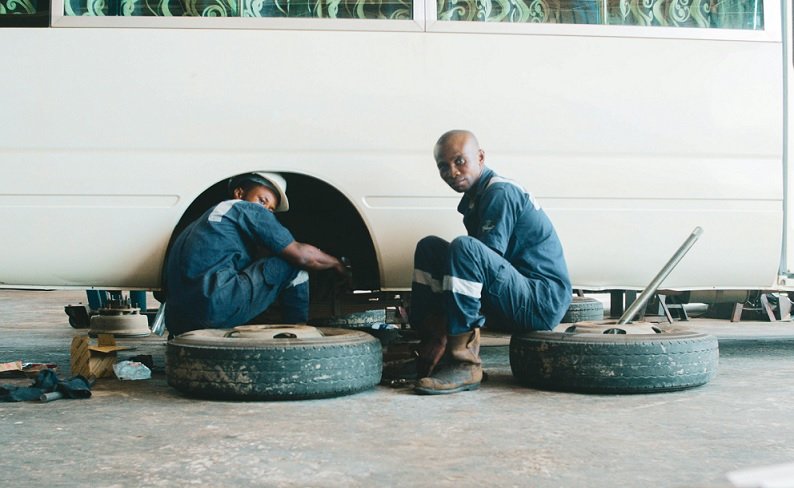
The automotive service industry is shifting in a way that matters for franchise investors. Vehicles are staying on the road longer, the aftermarket is still growing, tire shipments remain near record levels, and shops are using more digital tools to improve speed and convenience.
At the same time, electric and hybrid vehicles are creating new service needs that could shape the next phase of growth. That combination is one reason more investors are paying attention to tire and automotive service businesses.
These aren’t trend-driven purchases. They’re tied to essential maintenance, repair, safety, and mobility. For franchise owners, that can mean steady demand, repeat customer relationships, and a business model that stays relevant even when consumer spending tightens.
Why the industry still has room to grow
One of the clearest signs of opportunity is the size of the market itself.
The Auto Care Association projects the U.S. light vehicle aftermarket will continue growing at above pre-pandemic rates through 2028. Separately, its 2025 Factbook forecast says the broader auto care industry is expected to reach $664 billion by 2028. Growth in this category isn’t being driven by hype. It’s being driven by real operating conditions:
- More vehicles on the road
- Older vehicles that need a lot more maintenance
- Recurring tire replacement demand
- Consumer preference for speed and convenience
- Expanding service needs tied to new vehicle technology
For investors looking at automotive repair franchises, this creates a strong foundation. The service need is ongoing, not occasional, and the customer base is broad.
More vehicles on the road are what keep demand moving
Vehicle population still matters because every additional vehicle adds potential demand for maintenance, repairs, inspections, and tire replacement. Experian reported that light-duty vehicles in operation reached 293.5 million in the second quarter of 2025.
That increase is important for franchise operators because more cars on the road typically means more service events over time. Those events include basic preventive work, brake and suspension checks, alignments, battery service, and, of course, tire replacement.
Demand isn’t limited to a small niche. It comes from everyday drivers, families, commuters, fleets, and local businesses. A larger vehicle base creates a wider service pool and helps support repeat business across multiple revenue lines.
Older vehicles are creating more repeat service work
Vehicle age is one of the strongest trends supporting the service side of the industry. S&P Global Mobility reported that the average age of U.S. light vehicles rose to 12.8 years in 2025. That was the second straight year of a two-month increase.
For tire and service franchises, that matters a lot.
Older vehicles usually need more maintenance and more repair attention than newer ones. They also stay in the aftermarket longer, which creates more opportunities for recurring customer visits. This can show up in several ways:
- More frequent wear-related repairs
- Ongoing tire replacement needs
- Greater need for diagnostics
- Higher demand for fluid, brake, and suspension service
- More value is placed on trusted local shops that can keep a vehicle roadworthy
In practical terms, aging vehicles help support one of the most valuable parts of the franchise model: repeat traffic. When customers come back several times over the life of a vehicle, the business becomes less dependent on one-off transactions.
Tire demand remains essential, not optional
Tires are one of the clearest examples of non-discretionary service demand. Drivers may delay some repairs, but they can’t safely ignore worn or damaged tires forever. That’s a major reason tire-focused businesses continue to hold their value.
The U.S. Tire Manufacturers Association projected total U.S. tire shipments of 340.4 million units in 2025, up from 337.3 million in 2024 and above 332.7 million in 2019. That would put the market above the previous record set in 2024.
That forecast is useful for investors because it highlights two things. First, tire demand remains large and resilient. Second, the replacement market is being supported by the installed base of vehicles already on the road, not just by new car sales.
This isn’t a market that depends only on brand-new vehicles entering circulation. It’s supported by the huge number of vehicles already in use every day.
Convenience is becoming a bigger competitive advantage
Customer expectations are changing. People want service that’s fast, easy to schedule, and clearly communicated. That’s pushing more shops to adopt digital tools that improve convenience and shorten friction in the service process.
According to Ratchet+Wrench’s reporting on the 2025 industry survey, 52% of respondents said their shops use AI-powered scheduling systems. The same report noted that online booking and digital communication platform adoption has grown from 33% to more than 60% in recent years, based on Shopmonkey data.
For franchise owners, this trend matters because operational convenience now affects customer choice. Shops that make booking, approvals, updates, and pickup easier improve the customer experience and shop efficiency. This helps explain the growing appeal of models built around:
- Online scheduling
- Digital vehicle inspections
- Automated reminders
- Faster turnaround times
- Mobile or pickup-oriented convenience options
Technology won’t replace the need for skilled service, but it can make the business easier to run and easier for customers to use.
Franchise expansion still has momentum
The sector’s appeal is also showing up in ongoing franchise activity. Established brands continue to position automotive service as a recession-resistant category built around recurring need, multiple revenue streams, and long-term vehicle ownership trends.
That doesn’t mean every concept is equal, but it does show that the category itself continues to attract attention. Investors are still drawn to businesses that combine essential services with local market relevance, especially when those businesses can generate repeat visits rather than single transactions.
This is one reason tire and service franchises keep appearing in conversations about practical business ownership. They offer a combination that many other sectors struggle to match:
- Essential customer demand
- Repeat service cycles
- Broad local market appeal
- Technology-enabled efficiency
- Room to evolve as vehicle needs change
EVs and hybrids are opening the next chapter
Electric and hybrid vehicles are still a smaller share of the total vehicle parc, but they’re growing fast enough that service operators need to pay attention.
- Cox Automotive said nearly 300,000 EVs were sold in the U.S. in Q1 2025, up 11.4% year over year, with EVs reaching about 7.5% of total new-vehicle sales in the quarter.
- The IEA also expects U.S. electric car sales to grow by almost 10% in 2025.
That doesn’t mean traditional service demand is going away. In fact, the aging vehicle fleet suggests conventional repair and tire work will remain critical for years. But it does mean forward-looking franchises can prepare for a mixed vehicle landscape, which may include:
- Technician training for EV and hybrid systems
- Updated diagnostics capability
- Tire expertise for heavier EV platforms
- Alignment with changing maintenance patterns
- Investment in software and workflow tools that can adapt over time
The opportunity here isn’t only about what the market looks like today. It’s also about whether a franchise system is positioned for what the next few years will require.
What this means for franchise investors
The strongest growth trends in tire and automotive service franchises all point in the same direction. The market is being supported by more vehicles in operation, older vehicles that need more care, steady tire replacement demand, and a service experience that’s becoming more digital and convenience-driven.
The broader aftermarket is also still expanding, and EV growth is creating another layer of future service potential.
For investors, that makes this category worth a serious look. It offers a business tied to everyday needs, not occasional spending. And in a market where reliability, speed, and adaptability matter more than ever, that can be a strong place to build.
*Sponsored Blog Post