The Mercedes-Benz OM642 has earned a reputation as one of the brand’s most versatile diesel V6 engines, powering luxury sedans, SUVs, and commercial vehicles. With proper maintenance, it routinely delivers hundreds of thousands of miles of reliable service. Like any long-serving engine, however, it develops predictable wear points over time, one of the most common being the intake swirl flap mechanism.
Many owners first encounter the issue after a warning light appears or the engine begins behaving differently. A quick search often leads them to the term om642 swirl flap delete. Rather than reacting to symptoms alone, understanding why the issue develops helps owners make more informed maintenance decisions.
Why the OM642 Intake System Deserves Attention
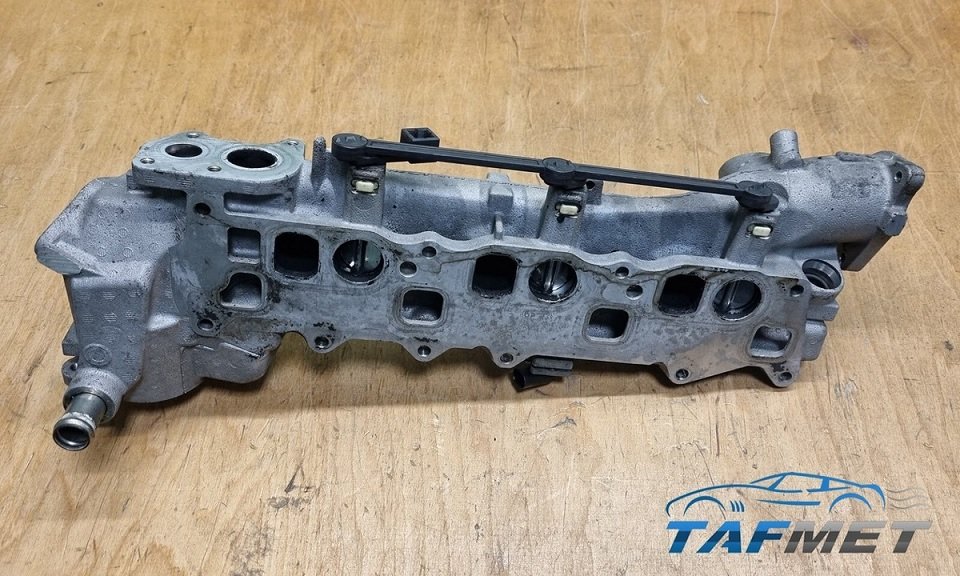
The OM642 intake manifold uses swirl flaps to regulate airflow under varying engine loads, promoting cleaner combustion and smoother operation. Over time, exposure to carbon deposits, oil vapors, heat cycles, and mechanical movement gradually wears the system.
For most owners, swirl flap issues are a reliability concern rather than a performance discussion. The goal is usually to restore dependable daily operation, not alter factory engine characteristics.
Common contributors to intake wear include:
- continuous soot and oil contamination;
- aging linkage and actuator components;
- repeated thermal expansion;
- normal mechanical fatigue;
- carbon accumulation inside the intake manifold.
The intake assembly is simply another service item that deserves inspection alongside injectors, turbochargers, and crankcase ventilation components.
Symptoms That Point to Swirl Flap Wear or Failure
Swirl flap problems rarely appear suddenly. Most drivers notice subtle changes before diagnostic fault codes confirm an intake issue.
Typical symptoms include:
- check engine light;
- intake manifold fault codes;
- reduced acceleration;
- inconsistent throttle response;
- rough idle after startup;
- intermittent limp mode;
- intake air leaks;
- sticking swirl flap linkage.
These symptoms do not always indicate a failed swirl flap assembly. Vacuum leaks, actuator faults, sensor failures, or carbon buildup can produce similar behavior, making accurate diagnosis essential before replacing parts.
Professional technicians typically combine electronic diagnostics with a visual inspection of the linkage, actuator, and surrounding intake components. This helps identify the true source of the fault while avoiding unnecessary repairs.
Repair, Replacement, or Delete: How Owners Compare Options
Once the problem has been identified, owners generally evaluate three approaches.
Repairing individual components may be appropriate when only seals, linkage parts, or related hardware have worn. Replacing the complete intake manifold restores the factory configuration and remains the preferred solution for owners who want to maintain original specifications.
The third option is removing the swirl flap mechanism altogether. Interest in this approach often comes from owners seeking to eliminate a recurring mechanical failure point after repeated repairs. The right choice depends on factors such as:
- local emissions regulations;
- vehicle application;
- overall engine condition;
- long-term ownership plans;
- recommendations from experienced diesel specialists.
No single solution suits every OM642-powered vehicle, as technical requirements and legal considerations vary.
Where a Swirl Flap Delete Kit Fits Into the Repair Scenario
As intake components age, many owners explore ways to reduce future maintenance. During that process, information about an om642 swirl flap delete solution frequently appears because it addresses one of the intake system’s most failure-prone assemblies.
Experienced owners generally view these kits as part of a long-term reliability strategy rather than a performance upgrade. Their goal is to eliminate repeated failures after proper diagnostics have confirmed the intake mechanism as the source of the problem.
A quality repair solution should provide precise machining, durable materials, and compatibility with the specific OM642 variant. Correct fitment simplifies installation while reducing sealing or alignment issues. Careful intake cleaning, inspection of surrounding components, and proper installation also contribute to long-term reliability.
A Practical Way to Keep an Older Mercedes Diesel Reliable
The OM642 remains a dependable engine because its core design has proven exceptionally durable. As these engines age, addressing predictable intake issues early is more effective than waiting for small faults to become costly repairs. A systematic diagnosis helps determine whether the cause is carbon buildup, worn linkage, an actuator fault, or another intake-related issue before unnecessary parts are replaced.
Long-term reliability comes down to thoughtful maintenance. Using well-engineered replacement components, following proper installation procedures, and keeping the intake system clean all help extend service life. Whether the best solution is repairing existing parts, replacing the manifold, or choosing an alternative approach, informed decisions remain the most reliable way to keep an older Mercedes diesel performing consistently for years to come.