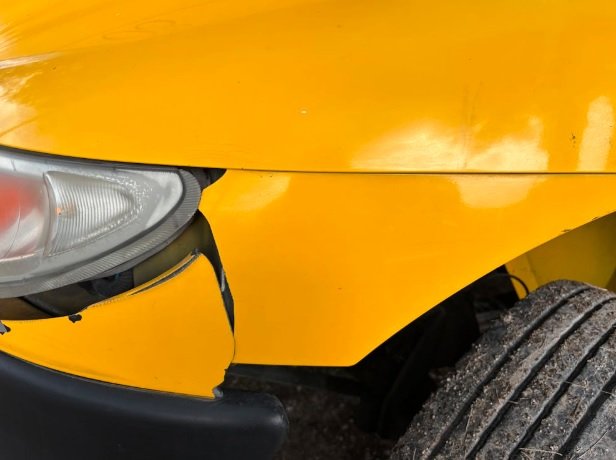
Most car accidents start out small.
A rapping on your window at a red light. Scratches on your bumper in a parking lot. An exchange of insurance information and on you go. That being said, sometimes the “minor” accident is not so minor. After a couple of days, your neck is stiff, your back aches and bills begin to arrive.
That’s when a fender bender turns into something much bigger.
Recognizing the difference between a fender bender and a legitimate lawsuit can save you thousands in medical expenses, months of headaches, and a whole lot of remorse.
Here’s how to spot when things get serious…
What you’ll discover:
- Why Liability and Fault Actually Matter
- When a Fender Bender Becomes a Lawsuit
- The Red Flags You Should Never Ignore
- How To Protect Yourself After a Crash
Why Liability and Fault Actually Matter
Liability and fault are the two words that determine the outcome of a car accident case.
Why? Because they decide who pays.
If a crash occurs, someone needs to be held liable for the damages. The liable party (or their insurance carrier) pays for repairs, medical expenses, and lost wages. If fault is not established, the insurance company will do everything they can to pay you as little as possible.
And that’s where things get tricky.
Figuring out who’s liable and who’s at fault is one thing on paper, but it’s almost never that easy in real life. Police reports can be incorrect. Witnesses see different things. Insurance adjusters work for the insurance company, not you. That’s why so many people start asking can a Minneapolis car accident attorney help when fault becomes a fight.
A skilled lawyer will:
- Investigate the crash thoroughly: Obtain police reports, interview witnesses, and hire accident reconstruction specialists to establish what occurred.
- Push back against insurance: Insurance companies are going to try and blame you to limit what they pay. A lawyer will fight back.
- Quantify the true extent of damages: The average person only considers current bills. An experienced lawyer will consider future medical treatment, loss of earnings capacity and pain and suffering.
Pretty important, right?
When a Fender Bender Becomes a Lawsuit
Not every auto accident requires an attorney. But some do. And the difference matters.
No injury, just minor damage. Most of the time insurance will take care of that. But what happens when it is more than just a bent fender? The National Highway Traffic Safety Administration has data that estimates a total of 2.42 million injured in motor vehicle traffic crashes in 2024.
That’s a lot of “small” accidents that turned out to be much more.
So when does a fender bender cross the line into lawsuit territory?
Here are the main triggers:
- Injuries that need medical treatment beyond a quick checkup
- Disputed fault between drivers
- Insurance refusing to pay or low-balling your claim
- Damages that go beyond what insurance will cover
The reality is most cases never make it to court. Approximately 90% to 95% of personal injury claims settle before trial. Filing (or threatening to file) a lawsuit is often the key to being taken seriously by the insurance company.
It’s the leverage that makes them play fair.
The Red Flags You Should Never Ignore
Picture this: you’re involved in what seems to be a small fender bender. The damages appear minimal, both vehicles drive away, and you assume it’s not a big deal. You should think again. Here are some warning signs that your “little” accident may be a legal disaster in the making:
Delayed Injuries
Whiplash, concussions, and back injuries often have delayed onset. Adrenaline can hide pain. Symptoms may occur days, or even weeks, after the accident. If you begin to experience pain after the event, go to the doctor immediately and document all evidence.
Disputed Fault
When the other driver flips their story, or the insurance company wants to say you’re partially at fault… Be careful. Disputes over liability and fault are one of the primary reasons why cases end up in lawsuits. The other side knows that if they can put even a small percentage of fault on you, your payout will decrease significantly.
Lowball Settlement Offers
Insurance companies love to dangle quick cash in your face after an accident. Why? Because when you sign… you can never ask for more. Even if your injuries get worse. Even if new bills arrive. Those who wait for a better offer get settlements $30,700 higher than those who accept the first offer.
That’s a lot of money to leave on the table.
Serious Damages
Big medical bills, lost wages, permanent injuries… These all take a case into lawsuit territory. The average U.S. bodily injury liability claim is about $26,500, but serious cases can easily top this.
How To Protect Yourself After a Crash
Even if your accident seems minor, always protect yourself. Here’s exactly what to do:
Document Everything
Photograph the scene, vehicles and visible injuries. Collect names and numbers of any witnesses. The more documentation you have, the more difficult it is to argue liability and fault afterwards.
See a Doctor
Go to the doctor even if you feel okay. Some injuries can take a while to show up, and the doctor’s record from right after the crash is powerful evidence. Without it, the insurance company can simply say that your injuries did not result from the wreck.
This is non-negotiable.
Don’t Talk to the Other Insurance Company
The insurance company of the other driver will call. They will sound nice. They will ask for a recorded statement.
Don’t do it.
Anything you say can be used to deny or reduce your claim. Say it’s best to talk to your lawyer.
Keep Every Receipt
Keep track of every penny that the accident costs you. Medical bills, prescriptions, lost wages, trips to and from appointments. It all adds up, and it should all be part of your claim.
Talk to a Lawyer Early
The sooner a lawyer becomes involved, the better the result. Those who are represented by an attorney get nearly three times the payout of those who are not. Free consultations are available with most lawyers, so there’s nothing to lose by having a conversation.
Final Thoughts
Automobile accidents are funny like that. Day one it seems like a little fender bender, but on day thirty you find yourself in the middle of months of medical treatment, missed work and aggravating insurance disputes.
The important thing is to recognize when something has become serious and to intervene before it is too late. So to summarize:
- Liability and fault decide who pays for what
- Most cases settle before trial, but the threat of a lawsuit matters
- Watch for red flags like delayed injuries and disputed fault
- Protect yourself by documenting, seeing a doctor, and talking to a lawyer
Don’t think that a minor collision is no big deal. Drivers that fight smart from day one end up with fair compensation.
Everyone else is left holding the bill.