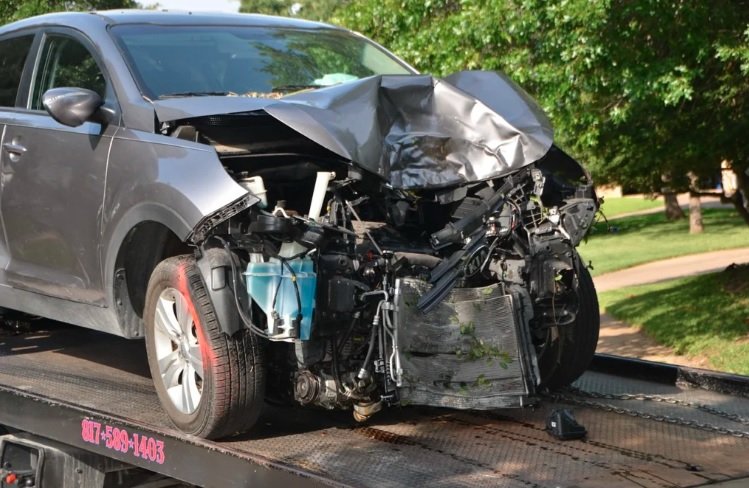
Most people think a car wreck ends when the tow truck pulls away.
It doesn’t.
Repairing your bumper is the easy part. The real costs surface weeks, months — and sometimes years — later. And they take more out of you than the accident itself. Lost wages, medical expenses, the emotional burden of a wrongful death claim – a single accident can take a family’s financial stability for decades.
Here’s the truth most drivers never hear:
- The bills don’t stop when the cast comes off
- Insurance rarely covers what you actually lose
- Some costs aren’t financial at all
Let’s get into it.
What’s Inside This Guide:
- The Crash Costs No One Talks About
- Why a Wrongful Death Claim Changes Everything
- The Hidden Toll on Families
- How to Protect Yourself After a Crash
The Crash Costs No One Talks About
Drivers concentrate on the easy things to see — car repairs, ER visits, a couple of days off work.
But the real damage is much deeper.
In the latest NHTSA economic impact analysis, motor vehicle crashes cost Americans $340 billion in 2019. If you include the loss of quality of life, the total soars to nearly $1.4 trillion. And $1.4 trillion is not an abstract number; it’s real families, paying real bills long after the wreck is forgotten.
The result of a serious crash in Texas is often a consultation with a Dallas auto accident attorney. The difference between receiving full compensation in a wrongful death claim or walking away with pennies on the dollar often comes down to this. Insurance companies are counting on the fact that you won’t know what your claim is really worth.
So What Costs Are Drivers Missing?
Here’s a quick look at the costs most people don’t budget for:
- Long-term medical care: Surgery, physical therapy, and follow up appointments can go on for years.
- Lost earning potential: Certain injuries may preclude you from returning to the same position you had previously.
- Home and vehicle modifications: Wheelchair ramps, hand controls, accessible bathrooms — it’s no bargain.
- Mental health treatment: PTSD, anxiety and depression are common after a crash, yet rarely receive treatment.
- Insurance premium increases: Just because the wreck was not your fault does not mean that your rates will not go up.
These are the expenses that aren’t reported. But it’s them that are ruining households.
Why a Wrongful Death Claim Changes Everything
Nothing prepares you for losing a loved one in a car wreck.
And nothing prepares you for the financial fallout that follows.
A wrongful death claim is a lawsuit that surviving family members can file when someone is killed by a negligent driver. The point is to make the family whole for the economic and emotional losses that it is left with — which can be staggering.
Here’s why it matters:
The death of the primary wage earner in a crash affects a family’s finances in ways that go far beyond loss of earnings. They lose:
- Future income and benefits
- Retirement contributions
- Health insurance coverage
- Help around the house
- Childcare and parenting support
- Emotional companionship
Most families have no clue how to even figure any of that out. Insurance adjusters do. And they will low ball a settlement if no one argues.
The Numbers Behind a Wrongful Death Claim
Recent statistics reveal the tragic scope of these accidents. According to an NHTSA report, 18,720 people lost their lives in motor vehicle traffic crashes during the first six months of 2024. Each statistic represents a family left behind to put their shattered lives back together.
And the financial burden is crushing. The National Safety Council reports that the average economic price tag for a motor vehicle crash is just over $11.49 million per death, including loss of wages, medical expenses, administrative expenses and property damage.
That’s the kind of settlement a family can expect with a wrongful death suit.
The Hidden Toll on Families
Money is only half the story.
The unseen cost of a serious crash is something no one likes to talk about until they’ve lived through it. And to be honest? It’s often the part that takes the longest to heal.
Common emotional and mental health impacts include:
- Post-traumatic stress disorder (PTSD)
- Severe anxiety while driving
- Depression and grief
- Loss of confidence in daily activities
- Strained family relationships
Years after fatal crashes, survivors still struggle with survivor’s guilt. Husbands lose wives. Parents lose children. Children grow up fatherless or motherless. There’s no box for that on an insurance claim.
Why This Matters For Your Case
Pain and suffering damages exist for exactly this reason.
Wrongful death cases: The family does not just suffer economic loss. The loss includes emotional, psychological and permanent loss. Pain and suffering: When a person is injured, they experience the physical pain of the injury and the emotional pain associated with recovery and after-effects. Pain and suffering also include the non-monetary costs of a defendant’s negligent or reckless actions that caused the injury in the first place. Lost wages and medical expenses are called economic damages. Economic damages generally make up a relatively small portion of a settlement or verdict.
But here’s the catch:
You have to know how to prove it. This means medical records, therapist notes, statements from friends and family, and sometimes expert testimony. Without proper documentation, even the strongest case can fall apart.
How to Protect Yourself After a Crash
If you’ve been in a wreck — or worse, lost someone in one — a few steps can make a huge difference.
Do these things as soon as possible:
- Seek medical care, even if you feel okay. Injuries may not become evident for days. That first visit starts a paper trail.
- Take pictures. Pictures of the scene, your injuries, your car and property damage.
- Don’t speak to the other driver’s insurance. They are NOT on your side, even if they sound nice.
- Save all of your bills/receipts. Medical, transportation, prescriptions, lost wages, etc.
- Speak with an attorney before signing anything. Once you sign a settlement, you can’t take it back.
The single biggest mistake families make is acting too quickly. Insurance companies rely on grieving people accepting the first offer just to make it go away.
Don’t fall for it.
Final Thoughts
For most drivers, hidden costs of a collision are totally unexpected.
The bumper damage and ER bill are just the beginning. The heavy lifting comes from lost income, medical treatment, emotional suffering, and future losses that no one tells you about. When wrongful death is added to the equation, those losses multiply in ways that most families can’t handle on their own.
A quick recap:
- Crash costs go way beyond repairs and ER bills
- Wrongful death claims cover income, benefits, and emotional loss
- Pain and suffering is often the biggest part of a settlement
- Documentation is everything
- Never sign anything without legal advice
Slow down, document everything, and get the right people in your corner.