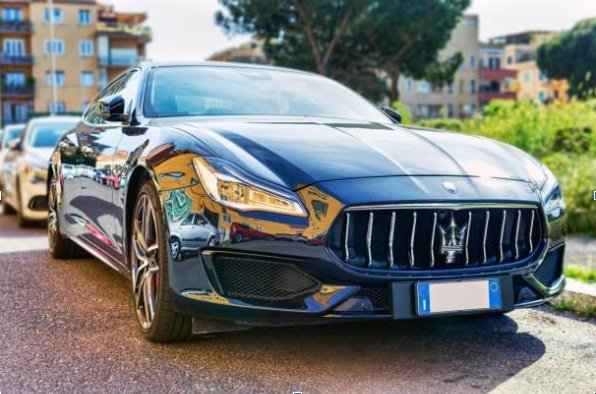
Once you’ve picked up your Maserati from a repair shop, the first thing you want to do is to check for any new scratches, dents or bent panels. Before leaving premises, make sure the trim and fasteners are securely put on. Check all fluid levels (engine oil, coolant and brake) even if they were not part of the repair. After the vehicle is on the road, check each of the repairs individually, paying attention to any rattles, vibrations or strange warning lights. If work was done on the electrics or brakes, take a quiet period and carry out a controlled test. Please check your invoice to verify the actual part numbers and warranty. When in doubt, don’t hesitate to go back to the workshop right away!
Atlanta is one of the largest luxury car markets in the southeastern United States, known for its busy highways, dense traffic conditions, and humid summer climate. These conditions can place added stress on performance vehicles, especially in areas like Buckhead, Midtown, and surrounding suburban routes where stop-and-go driving is common.
Because of these demanding driving conditions, many owners rely on professional Maserati repair in Atlanta to ensure their vehicles are properly serviced using factory-level diagnostics and accurate system calibration. Skilled technicians are essential for maintaining the smooth performance, electronics, and driving precision expected from a Maserati after any repair work.
A Maserati should feel smooth, responsive, and quiet after service is completed. Warning lights should be fully cleared, gear changes should be consistent, and there should be no vibrations, electrical issues, or performance irregularities. If any of these problems continue, it may indicate that the repair was not fully completed or requires further inspection.
What Should You Check Immediately After Maserati Repairs?
Begin with a quick test drive right outside the shop area. Maserati vehicles, such as the Ghibli, Levante, and Quattroporte, are known to exhibit indicators such as transmission hesitation or suspension noise during the first few miles after repairs.
Pay close attention to these areas:
- The dashboard warning lights should stay off after startup
- The steering should be centered with no pull or vibration
- Brake response should remain firm during low-speed stops
- The engine idle should remain smooth with no rattling sound
These inspections are extremely important after a reliable Maserati repair, as new Maserati models require precise calibration, electronic synchronization, and performance testing.
These checks are more significant in a Maserati than in many luxury sedans. Italian performance tuning often incorporates tighter tolerances, adaptive suspension systems, and delicate onboard software that can react quickly to low-quality repairs.
Why Do Maserati Electronics Need Extra Attention?
Today’s Maserati utilizes numerous electronic modules that are constantly communicating with one another. A simple battery change or sensor repair can impact throttle response, adaptive suspension settings, and infotainment functions if calibration is skipped.
After repairs, confirm that these systems operate correctly:
- The backup cameras and parking sensors respond instantly
- Drive modes switch smoothly between the Normal, Sport, and Corsa
- Climate controls help to keep the cabin temperature stable
- Bluetooth and touchscreen controls respond normally
Contrary to many other German luxury vehicles, the Maserati systems usually need a greater amount of software synchronization following mechanical work. Ignoring the electronic recalibration can cause delayed problems several weeks after the repair seems complete.
Fluids and Mechanical Parts That Should Be Rechecked
Sometimes fluid leaks occur after the engine has reached optimum operating temperature. Maserati turbocharged engines also operate at higher temperatures than many standard cars; hence, cooling system checks become extremely vital.
Do a thorough visual inspection of the car for fresh oil leaks, coolant residue, or odd smells. Make sure tires are at factory-recommended pressures, as Maserati suspension systems react very differently to uneven levels of inflation.
Owners should ensure repair invoices match the work carried out, such as the use of OEM parts, software upgrades, and fluid specifications that Maserati recommends to provide long-term reliability.
Key Takeaways
- Test drive the vehicle right after repairs.
- Ensure warning lights remain off.
- Check drive modes and electronic features thoroughly.
- Check for leaks once the engine warms through.
- Many owners rely on professional Maserati repair in Atlanta for proper post-repair checks.