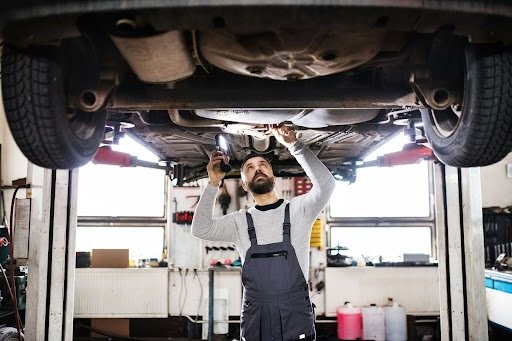
When truck brake pads wear out faster than expected, many drivers and fleet operators immediately assume that the brake pads themselves are the problem. However, premature brake wear is rarely caused by a single factor. In real-world operation, two trucks can use the same brake pad model and still experience completely different results. One vehicle may achieve stable performance for a long service interval, while another may experience uneven wear, overheating, noise, or repeated replacement.
The reason is that brake pad life is influenced by the entire braking system and the conditions in which the vehicle operates. Vehicle weight, driving environment, braking frequency, brake system condition, friction material design, and manufacturing consistency all affect how long a brake component can perform effectively. For commercial vehicles, these factors become even more important because trucks often operate under heavier loads, longer distances, and more demanding conditions compared with passenger vehicles.
A highway tractor transporting goods across long distances, a city delivery truck making frequent stops, and a construction vehicle operating on difficult terrain may all use similar brake components, but their brake systems experience completely different challenges. Understanding the real reasons behind truck brake pad wear can help fleet managers, drivers, and maintenance professionals make better decisions and avoid replacing components without solving the actual cause.
Brake Pad Wear Is Not Just About Mileage
One of the most common misunderstandings about brake maintenance is judging brake pad life only by mileage. Many people ask how many miles a truck brake pad should last, but mileage alone cannot explain the complete situation. Two trucks can travel the same distance and experience completely different brake wear because their working conditions are different.
For example, a long-haul tractor that mainly operates on highways may spend most of its time maintaining steady speeds with fewer braking events. The brake components have more opportunities to cool between applications, reducing repeated thermal stress. In contrast, a city delivery truck may stop dozens or even hundreds of times during daily operation. Although both vehicles may accumulate similar mileage, the urban delivery truck continuously generates heat through repeated braking cycles, creating a much more demanding environment for the friction material.
The same principle applies to buses, refuse trucks, and vehicles operating in mountainous areas. A fully loaded truck traveling downhill requires the braking system to control significant vehicle energy over a long period. Brake systems do not simply wear according to distance; they wear according to the amount of energy they absorb and how frequently that energy is converted into heat. Heavy loads, higher speeds, steep roads, and frequent stops all increase braking demand. Research and industry discussions around commercial brake systems consistently identify duty cycle, vehicle loading, route conditions, and temperature as major factors affecting brake wear.
This is why a brake pad that performs well on one truck may not achieve the same service life on another. The correct evaluation is not only “How long did this brake pad last?” but also “Under what conditions did this brake pad operate?”
Brake Wear Patterns Reveal What Happened Before Failure
A worn brake pad is more than a replacement component. In many cases, the condition of the friction material can tell the story of what happened during operation. Experienced technicians often examine the wear pattern before installing new components because different types of damage can point toward different causes.
Normal brake wear usually appears as relatively even material loss across the friction surface. However, uneven wear may indicate problems elsewhere in the braking system. Issues such as improper brake adjustment, component movement, caliper problems, poor contact conditions, or uneven force distribution can cause one area of the friction material to wear faster than another. In commercial vehicles, the brake pad or lining may simply be showing the result of a mechanical issue rather than being the original cause.
Heat-related damage provides another important clue. A glazed surface, discoloration, cracks, or hardened friction material often indicates excessive temperature exposure. For example, a truck operating on steep downhill routes with repeated braking may generate more heat than the friction material can effectively manage. In this situation, replacing the brake pad with the same specification without reviewing the operating conditions may only repeat the same problem.
This is why proper diagnosis matters. A brake pad inspection should not only measure remaining thickness but also evaluate wear patterns, surface condition, contamination, and related brake components. Understanding why a brake pad failed is often more valuable than simply replacing the worn part.
Heat Is the Hidden Challenge Behind Heavy Truck Braking
Heavy commercial vehicles face unique braking challenges because of their weight. A fully loaded tractor-trailer combination can weigh tens of thousands of pounds, meaning every braking event requires the brake system to absorb a significant amount of energy and convert it into heat. Compared with passenger vehicles, commercial trucks experience much higher thermal demands because of their mass, cargo loads, and operating conditions.
During normal operation, brake components constantly experience heating and cooling cycles. A brake pad may perform well during short braking events, but repeated exposure to high temperatures can gradually affect friction performance. This condition is commonly known as brake fade, where braking effectiveness decreases because excessive heat reduces friction stability. Heat-related brake performance issues are strongly connected with commercial vehicle operating conditions, especially during repeated heavy braking or long downhill operation.
A typical example is a loaded truck traveling through mountainous terrain. Instead of applying the brakes briefly and allowing them to cool, the driver may need to control vehicle speed continuously over a long descent. During this process, the brake system must repeatedly absorb energy while maintaining predictable friction performance. This creates a much greater challenge than normal highway driving.
Modern brake development is therefore not simply about creating a material that survives the highest possible temperature. The real challenge is developing friction materials that maintain stable performance through repeated heating cycles, changing loads, and different commercial vehicle applications.
Why Brake Pad Material Matters More Than Many Drivers Realize
When discussing brake performance, many people focus on the brand, price, or advertised service life of a brake pad. However, the real performance of a friction component depends heavily on whether its material characteristics match the vehicle’s actual operating environment. A brake pad is not simply a piece of material that creates friction; it is an engineered composite designed to balance braking force, wear resistance, heat management, noise control, and compatibility with other braking components.
Modern friction materials usually contain a combination of fibers, binders, fillers, lubricating components, abrasives, and other modifiers. Each ingredient influences how the brake pad behaves under different pressures and temperatures. Engineers must carefully balance these elements because improving one characteristic may affect another. For example, increasing hardness may improve certain wear characteristics but could also influence noise, rotor wear, or braking feel. The goal is not to create the hardest possible brake pad, but to develop a material that provides stable and predictable performance throughout its service life.
Different commercial vehicles require different friction characteristics. A long-haul tractor carrying heavy cargo, a city bus making frequent stops, and a construction truck operating under extreme conditions all create different demands on the braking system. Semi-metallic formulations are commonly used in heavy-duty applications because of their durability and heat resistance, while other formulations may focus on smoother operation, reduced noise, or specific vehicle requirements. Modern brake pad technology focuses on improving friction stability, thermal performance, and durability across different vehicle applications rather than pursuing only one performance target.
This is why there is no universal “best” brake pad material. A formulation that performs extremely well on a highway tractor may not provide the same results on a vehicle that operates in constant stop-and-go traffic or under heavy off-road conditions. The right brake pad is the one designed around the vehicle’s real working environment.
Manufacturing Consistency Determines Real-World Brake Performance
Even the most advanced friction formula cannot deliver consistent performance without reliable manufacturing processes. Brake pad production involves many controlled steps, including raw material preparation, accurate weighing, mixing, forming, pressing, curing, machining, and final inspection. Each step affects the final structure and performance of the friction material.
For example, if raw materials are not evenly distributed during mixing, the finished brake pad may have differences in density and friction behavior. If curing conditions are inconsistent, the material may not develop the intended characteristics. These differences may appear small during production, but they become much more important when thousands of brake components are installed on commercial vehicles operating under demanding conditions.
This is particularly important for fleets and distributors. A truck operator does not only need a brake pad that performs well once; they need predictable performance across many vehicles and many replacement cycles. Inconsistent production quality can lead to unexpected wear patterns, shorter maintenance intervals, and additional downtime.
For this reason, experienced brake manufacturers invest in quality control systems, testing equipment, and production monitoring. The purpose is not only to manufacture a product that fits a vehicle but also to ensure that each batch delivers stable performance when it reaches the road. For commercial vehicle operators, manufacturing consistency is an important part of reducing maintenance uncertainty and improving operating efficiency.
Brake Inspection Helps Avoid Replacing the Wrong Component
When a truck experiences premature brake wear, many operators naturally focus on replacing the worn brake pad as quickly as possible. However, replacing the component without understanding the reason behind the failure may only provide a temporary solution.
A proper inspection looks beyond remaining friction thickness. Technicians examine the overall condition of the brake system, including wear patterns, friction surface condition, heat damage, contamination, cracks, and related mechanical components. These details can reveal whether the problem comes from the brake pad itself or from external factors affecting its performance.
For example, uneven wear may indicate problems with brake adjustment, component movement, or uneven pressure distribution. A glazed surface may suggest excessive heat caused by operating conditions rather than poor material quality. Oil or grease contamination may point to problems around seals or wheel-end components. Each wear pattern provides information about what happened before the vehicle entered maintenance.
This diagnostic approach is especially valuable for commercial fleets because every unnecessary repair creates additional cost. A vehicle that repeatedly replaces brake pads without addressing the underlying cause may continue experiencing the same problem. A structured inspection process helps maintenance teams make better decisions about whether they need a different friction specification, a mechanical repair, or changes to operating practices.
A detailed commercial truck brake pad inspection guide can help fleet managers and technicians better understand common wear conditions and improve replacement decisions.
Fleet Data Can Explain Why Some Trucks Wear Brake Pads Faster
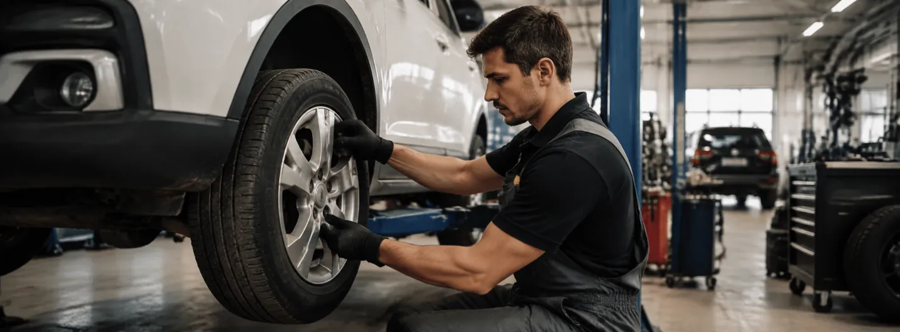
One of the biggest advantages fleet operators have compared with individual vehicle owners is access to operational data. A single truck experiencing premature brake wear may be difficult to analyze because many variables can influence the result. However, when a company manages multiple vehicles, patterns become easier to identify.
For example, imagine a fleet operating twenty similar trucks with the same brake pad specification. If most vehicles achieve expected service intervals while several trucks require replacement much earlier, changing the brake pad specification across the entire fleet may not solve the issue. The problem may come from differences in routes, driver habits, loading conditions, brake system maintenance, or vehicle operating history.
On the other hand, if every vehicle working in a specific environment shows faster wear, the fleet may need to reconsider whether the current brake solution matches the application. Trucks operating in mountainous regions, heavy construction environments, or urban delivery routes often require different braking characteristics compared with vehicles used mainly for highway transportation.
This approach changes how fleets think about brake maintenance. Instead of asking only, “How long did this brake pad last?” professional maintenance teams are asking a more useful question: “Why did this brake pad wear this way?” Understanding the cause behind wear allows fleets to select more suitable components, reduce unexpected downtime, and improve long-term operating efficiency.
Choosing the Right Brake Manufacturer: More Than Comparing Prices
For truck owners, fleet operators, and distributors, selecting a brake manufacturer is not simply a purchasing decision based on price. Brake components directly influence vehicle safety, maintenance costs, and operating efficiency, especially in commercial applications where vehicles may spend thousands of hours on the road every year.
A reliable brake manufacturer should understand not only how to produce friction components but also how those products perform in different real-world applications. Important factors include experience with different vehicle types, material development capability, production consistency, testing ability, and understanding of customer operating environments. A brake pad designed for a highway tractor, for example, should not be evaluated using exactly the same standards as a component designed for urban delivery vehicles or heavy-duty off-road applications.
This is also why professional buyers increasingly focus on technical capability rather than simply comparing unit prices. A lower-cost brake component may appear attractive initially, but inconsistent wear, unexpected maintenance, and shorter replacement cycles can create higher total operating costs over time. The better approach is to evaluate whether a manufacturer can provide a friction solution that matches the actual demands of the vehicle.
At Tuoba, the focus is on developing and manufacturing friction products for different vehicle applications, including brake pads, brake linings, and brake shoes. Through experience in friction material development, production control, and testing capabilities, Tuoba works with customers to provide braking solutions designed around different operating conditions rather than one universal product approach.
Final Thoughts: Brake Wear Is More Than a Pad Problem
When a truck brake pad wears faster than expected, the answer is rarely found in one single component. Brake life is the result of many factors working together, including vehicle weight, driving environment, braking frequency, temperature management, friction material design, brake system condition, and manufacturing consistency.
A worn brake pad is only the final result of this entire process. The real information comes from understanding how it wore, why it reached that condition, and whether the replacement component matches the vehicle’s actual working environment.
For fleet operators and truck owners, the goal should not simply be finding the brake pad that lasts the longest under ideal conditions. The better solution is choosing a product that delivers stable and predictable performance where the vehicle actually works.
A highway truck, a city delivery vehicle, and a heavy-duty construction truck all have different braking requirements. When the vehicle application, maintenance practices, and friction technology are properly matched, brake performance becomes more reliable, downtime can be reduced, and commercial vehicles can operate more safely on the road.
Understanding the truth behind truck brake pad wear helps drivers and businesses move beyond simple replacement decisions and make smarter choices about brake maintenance and component selection.