Buying a used car is one of the smartest ways to save money, but it also comes with risks if you don’t know what to check. Many buyers focus only on price and appearance, yet the real value of a used vehicle lies in its condition, history, and documentation. Just like how GameZone Players focus on smart decision-making before starting a session. Car buyers should also take time to evaluate every detail before committing. A well-informed approach helps you avoid costly mistakes and ensures you get a reliable vehicle that fits your needs.
Why Buying a Used Car Requires Careful Inspection
Used cars are popular because they cost less than brand-new vehicles and often come with lower depreciation. However, unlike new cars, they may have hidden issues such as mechanical problems, accident history, or incomplete paperwork.
According to experts, skipping proper checks can lead to expensive repairs or legal complications after purchase.
This is why a structured checklist is essential. It helps you stay focused, compare options properly, and avoid emotional decisions that could cost you later.
Check Legal Documents First
Before inspecting the car physically, always verify the paperwork. This step is often overlooked but is one of the most important.
Make sure the seller provides:
- Original Official Receipt (OR)
- Certificate of Registration (CR)
- Matching engine and chassis numbers
Incomplete or suspicious documents can indicate serious issues like unpaid loans or ownership disputes.
Also, check if the car has:
- Clean ownership history
- No pending financial obligations
- No record of being stolen or written off
These hidden factors are not visible during inspection but can create major problems later if ignored.
Inspect the Exterior Condition
The exterior gives you the first clue about how the car was maintained. Look beyond shiny paint and focus on details.
Check for:
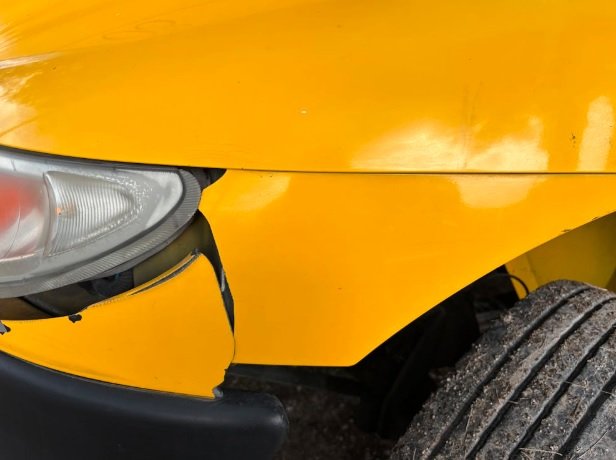
- Uneven paint or mismatched panels (possible accident repairs)
- Rust spots or corrosion
- Dents, scratches, or body gaps
- Tire condition and wear
Uneven tire wear, for example, can signal alignment or suspension issues.
Also, inspect underneath the car for leaks or damage. A quick look under the vehicle can reveal problems that are not obvious at first glance.
Examine the Interior Carefully
The interior reflects how the previous owner treated the car. It also affects comfort and usability.
Things to check include:
- Seat condition (tears, stains, or excessive wear)
- Dashboard warning lights
- Air conditioning and electronics
- Windows, locks, and controls
Unusual smells, such as musty odors, may indicate water damage or leaks.
Make sure everything works properly. Small issues inside the car can add up to expensive repairs over time.
Look Under the Hood
You don’t need to be a mechanic to spot basic engine issues. A simple visual inspection can reveal a lot.
Check for:
- Oil condition (should not be too dark or foamy)
- Fluid levels (coolant, brake fluid, transmission fluid)
- Worn belts or cracked hoses
- Signs of leaks or corrosion
Low fluid levels or dirty oil may indicate poor maintenance.
If you’re unsure, it’s always a good idea to bring a trusted mechanic or request a professional inspection before buying.
Review Vehicle History and Records
A car’s history is just as important as its current condition.
Ask the seller for:
- Service and maintenance records
- Accident history
- Ownership history
A complete service record shows that the car was properly maintained. Missing records don’t always mean a problem, but they increase the risk.
Experts also recommend checking vehicle history reports to confirm mileage and detect potential fraud or hidden damage.
Take a Proper Test Drive
Never buy a used car without a test drive. This is your chance to feel how the car performs in real conditions.
During the drive, check for:
- Smooth acceleration and gear shifting
- Brake responsiveness
- Steering control
- Unusual noises or vibrations
A car that drives smoothly and quietly is usually in better condition. If you notice anything unusual, take it as a warning sign.
Ask the Right Questions
Knowing what to ask can reveal important details that are not obvious.
Some key questions include:
- Why is the car being sold?
- Has it been in any accidents?
- Are there any current issues?
- How often was it serviced?
Asking the right questions helps you identify red flags and avoid unreliable vehicles.
Understand Pricing and Market Value
Before buying, research the average price of the car model you want.
Compare:
- Similar listings
- Mileage and condition
- Year and features
Used car prices can vary depending on demand and condition, so doing your research ensures you don’t overpay.
Recent reports show that used car prices can fluctuate due to market demand, making comparison shopping even more important.
Watch Out for Common Red Flags
Some warning signs should immediately make you cautious:
- Seller refuses inspection
- Missing or incomplete documents
- Suspiciously low price
- Inconsistent mileage records
- Poor maintenance history
Many experienced buyers emphasize that unseen issues—like financial records or accident history—can be more important than visible condition.
If something feels off, it’s better to walk away and look for another option.
Get a Professional Inspection
Even if everything looks good, a professional inspection adds an extra layer of safety.
A mechanic can:
- Detect hidden mechanical issues
- Confirm the car’s condition
- Provide an unbiased assessment
This small investment can save you from major expenses later.
Buying a used car is not just about finding a good deal—it’s about making a smart and informed decision. From checking documents and inspecting the vehicle to reviewing its history and taking a proper test drive, every step plays a role in ensuring you get a reliable car.
Taking the time to follow a complete checklist helps you avoid common mistakes and gives you confidence in your purchase. With the right approach, you can find a used car that offers both value and long-term reliability.