Most drivers don’t read the history of Baltimore’s roads! The high-density corridors between the Federal Hill row homes extend and the beltway is always backed up and the random intersections of East Baltimore, not much danger makes itself known. It rolls silently — a rolling stop here, a distracted merge there, a pushed back or pushed forward yellow light. It’s not a dramatic error. Those are the little, seemingly mundane behaviors that drivers get accustomed to until they can no longer. The first step in figuring out what’s really causing crashes in Baltimore is to deal with the behaviors that most people will never realize they’re doing.
It’s easy to get into the car and drive around in Baltimore, MD until the routine begins to hide risk. Prompts from familiar roads, predictable signals and traffic patterns can gradually develop into habits that drivers never question.
These behaviors are not immediately alarming, but they slowly build up the risk of accidents. Many crashes are not due to extreme actions, but instead, are due to small behaviors that escalate gradually over time. These patterns will be easy to overlook in everyday driving.
When drivers look closely at these underused activities they’ll see how they impact safety more than they realize.
The Road Behaviors That Often Go Unnoticed
When to roll through intersections instead of stopping:
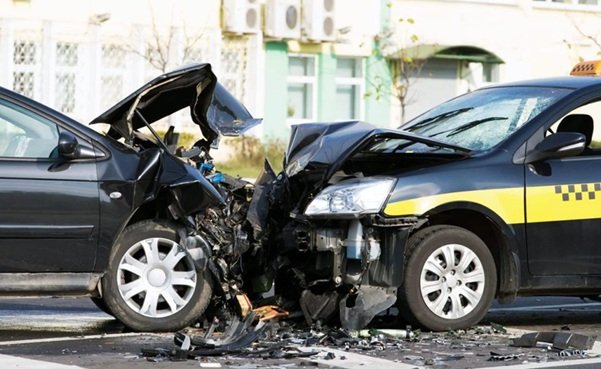
The function of intersections is to regulate traffic flow; however, Baltimore drivers often decelerate instead of stopping at intersections. This minor gesture can cause a lot of confusion to other people who are driving. When one driver anticipates a stop, he or she might proceed while the other is doing so, causing unexpected responses.
This habit becomes routine over time and particularly on less busy streets. When considering the small, seemingly harmless choices that cause accidents at intersections, Baltimore car accident lawyers frequently observe that they could have been avoided by simply stopping and being aware of their surroundings.
Make last minute lane changes without using signals.
Baltimore’s streets can get quite crowded, and it often results in hasty decisions. Drivers can move from one lane to another rapidly, with inadequate lane change signals or time for other drivers to react. This action leaves the vehicles around it with little room to manoeuvre, increasing the likelihood of contact. Late signaling makes for a big difference in how other drivers will react.
This becomes a habit of fast-moving traffic over the years, but can create an unnecessary danger on every lane change made without proper warning.
Last Minute Lane Changes Without Clear Signals
Baltimore is a big city with a lot of traffic and it is easy to tailgate. This decreases time to react in case of sudden halt of the vehicle in front. It might not seem like an issue if cars are only separated by a short distance, but when traffic slows down dramatically, it can become an issue. Often times, rear-end car collisions occur when there isn’t enough space to stop. Drivers may perceive that staying quite back is slow, but it allows drivers to respond without panicking.
Following Too Closely in Stop and Go Traffic
Baltimore has numerous locations that have pedestrian traffic, but not all drivers are equally attentive. Distracted drivers can miss a pedestrian getting out of the vehicle or gearing up to cross. This causes undesirable stopping or quick changes of direction, which can impact traffic around the vehicle. In the long run, a pedestrian’s pattern can become a habit, particularly on a well-known street. Being aware of activity near sidewalks and crosswalks can help avoid potentially hazardous situations, which can lead to accidents.
Riding a bike to work into a blind man’s eyes
Knowing what you’re doing makes you feel more comfortable, but it can also make you less focused. For drivers who routinely drive the same routes each day in Baltimore, it may be easier to remember than to pay attention to the conditions of the road.
This can result in missed signals, delayed reactions or not noticing road changes. Even a familiar road can have unexpected dangers every day. Being able to see and realize what is happening at all times, even on familiar paths, means that there is no chance of being fooled by the misplaced feeling of confidence.
Underestimating of speed in changing traffic conditions
The roads in Baltimore may be busy at times, but not always are drivers adjusting their driving speed. Increases risk to move too quickly in slow traffic or not slowing down during sudden changes in traffic. What you run at one day could be different than it will be the next. Failure to take this step at the right time can be followed by loss of control or delayed reactions. Changing speed according to traffic conditions contributes to a better level of control and minimises the risk of unexpected incidents occurring.
Why Drivers Continue These Habits
These behaviors are maintained because they are normal. People who are in the car see other people doing the same and begin to take it for granted that this is normal driving. Frequent service and routes minimize concentration and encourage drivers to operate on automatic pilot.
These patterns are a part of the driving experience in Baltimore, due to its bustling traffic. If there are no immediate risks, why bother to change, though the risk grows with time.
So, Select a More Aware Way to Drive.
Knowing these little things that can go unnoticed while driving makes driving safer in Baltimore, MD. These actions might seem normal, but they can contribute to roadway risk development. Baltimore car accident attorneys know how such patterns can cause accidents that may appear sudden but actually are cumulative.
Taking a few moments to focus on these habits and make some small changes can help to minimize risk and contribute to a safer driving experience for all of us.
Also, Read About –