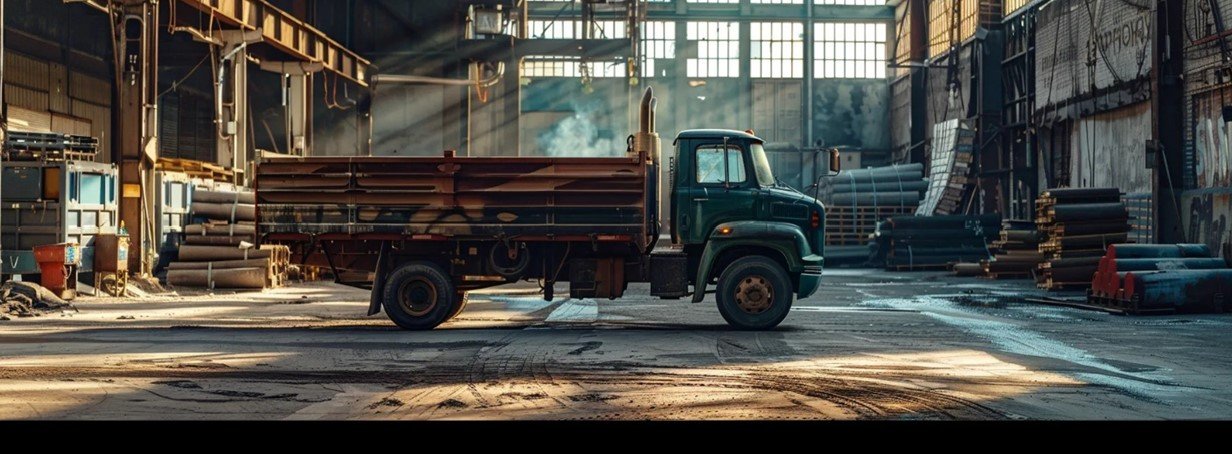
Choosing between a steel and aluminum Truck Bed Replacement is a critical decision for any agency involved in transportation logistics or fleet management. The longevity and performance of these materials can significantly affect your operations, costs, and client satisfaction. This article will explore the durability and performance of steel truck beds, the weight and corrosion resistance of aluminum beds, a cost comparison between the two, and insights into their long-term maintenance requirements. By the end, you will have a clearer understanding of which material might be more suitable for your specific needs.
Steel Truck Bed Replacement: Durability and Performance
Steel truck beds are renowned for their exceptional durability and strength. Often chosen for heavy-duty applications, these Truck Bed Replacement units can withstand significant wear and tear, making them ideal for agencies handling large-scale logistics. The robust nature of steel is advantageous when dealing with heavy loads or rough terrain. In an agency context, the durable nature of steel is akin to establishing a solid Retainer Agreement with clients, providing a reliable foundation for operations.
One of the key factors contributing to steel’s durability is its ability to resist physical damage better than aluminum. This is particularly beneficial in environments where the truck bed is exposed to heavy usage or potential impact. Agencies can focus on their core deliverables, much like adhering to a well-structured Deliverable Matrix, without frequent repairs or replacements.
However, the weight of steel can be a disadvantage, as it may affect fuel efficiency and vehicle handling. Therefore, agencies must consider the trade-offs between strength and efficiency, similar to managing Client Onboarding processes where initial efforts lead to long-term benefits.
Aluminum Truck Bed Replacement: Weight and Corrosion Resistance
Aluminum truck beds offer significant advantages in terms of weight and corrosion resistance. They are substantially lighter than steel, which can lead to improved fuel efficiency and easier handling. This is particularly beneficial for agencies aiming to optimize their fleet’s Conversion Rate Optimization (CRO) by reducing operational costs.
One of the standout features of aluminum is its resistance to rust and corrosion, making it an excellent choice for operations in humid or coastal environments. This characteristic is akin to a well-executed Stakeholder Engagement Plan, which ensures sustained performance over time without the risk of degradation.
While aluminum may not offer the same level of impact resistance as steel, its lightweight nature can extend the lifespan of the vehicle by reducing overall wear and tear. For agencies focused on strategic asset management, maintaining a balance between weight and durability is like utilizing a Creative Asset Repository to maximize resource efficiency.
Cost Comparison: Steel vs. Aluminum Truck Beds
When it comes to cost, steel Truck Bed Replacements are typically more affordable upfront compared to aluminum. This initial cost-effectiveness can be appealing for agencies working within tight budgets or those looking to manage Scope Creep in financial planning.
However, it’s important to factor in the long-term maintenance and potential fuel savings associated with aluminum beds. Although the initial investment may be higher, aluminum can offer cost benefits over time, much like a well-planned Media Buy that delivers long-term ROI.
For agencies, evaluating the cost difference is similar to conducting a thorough Brand Equity Assessment. It involves not only assessing the immediate expenses but also considering the material’s impact on operational efficiency and lifecycle costs.
Long-Term Maintenance: Which Material Holds Up Better?
In terms of long-term maintenance, aluminum truck beds generally require less upkeep than steel due to their corrosion-resistant properties. This reduces the frequency of maintenance tasks, akin to using Time Tracking Software to minimize administrative burdens in project management.
Steel beds, while durable, require regular maintenance to prevent rust, particularly in harsh weather conditions. This ongoing need for care is comparable to a Change Order Process in project management, where adjustments are necessary to maintain optimal performance.
Ultimately, the choice between steel and aluminum for Truck Bed Replacement depends on the specific needs and operational context of the agency. By considering factors such as maintenance requirements, agencies can develop a more informed Campaign Attribution Model to evaluate the long-term benefits and drawbacks of each material type.
Conclusion
Steel offers unmatched durability and strength, making it ideal for demanding environments. In contrast, aluminum provides benefits in weight reduction and corrosion resistance, leading to potential long-term savings. Agencies must weigh these factors carefully, much like crafting a comprehensive Project Kickoff Meeting agenda, to ensure their choice aligns with operational goals and budget constraints. Ultimately, the decision on which truck bed material lasts longer will hinge on the specific conditions and demands faced by the agency.