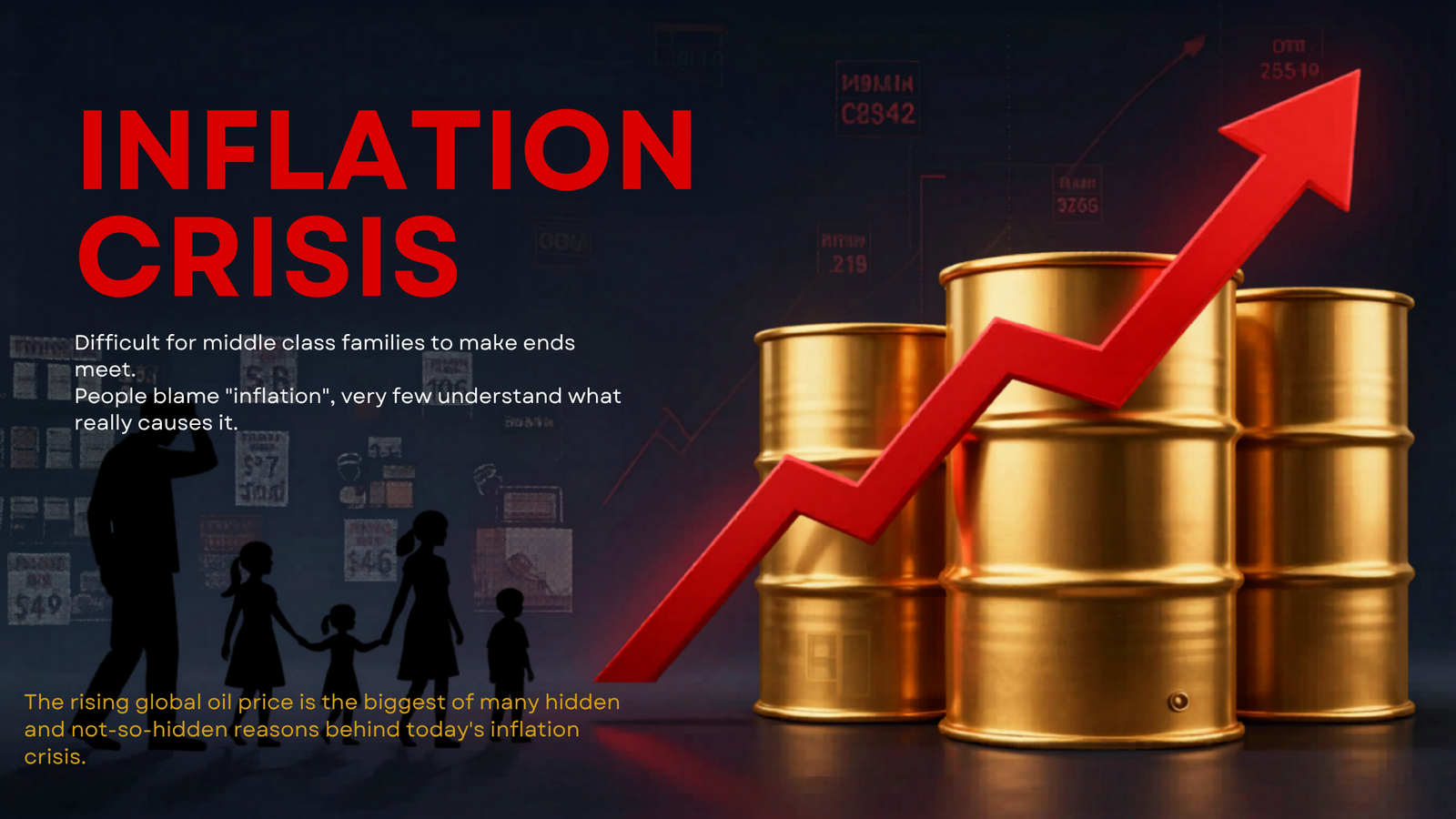
In only a few years, life around the globe has managed to get appreciably more expensive. Food prices are rising again, transport fares keep climbing up, electricity bills are going through the roof and such basic needs have even made it difficult for middle class families to make ends meet. People blame “inflation”, very few understand what really causes it.
The rising global oil price is the biggest of many hidden and not-so-hidden reasons behind today’s inflation crisis.
Oil prices in some markets have already surpassed 100 dollars the barrel, while inflation continues to fuel economies all over the world. One of the most important trade routes on Earth; approximately 20% of the world’s oil supply sails through the Strait of Hormuz. Any escalation of tensions in this region instantly has repercussions for fuel prices and transport, industry and ultimately the daily lives of regular citizens.
This combined with the increasing tensions of the United States and Iran, as well as political unrest in surrounding regions of the Strait of Hormuz has left global markets in fear. The translations to the rising oil price leads to a rise in almost everything else.
This Article Explains:
- Why oil inflation happens
- The Impact of Global Conflicts on Common People
- The importance of the Strait of Hormuz
- The effect of rising prices on employment and future readiness
- And how people can face a more uncertain future as sustainably and intelligently as possible
Inflation simply means:
The same money buys increasingly fewer items as time goes by
Petrol PriceGrocery CostAverage Rent2019LowerLowerAffordable2026Much HigherMuch HigherExpensive
The reason behind this is because producing and transporting goods becomes more expensive.
And oil has a huge part to play in it.
Oil is not only used in cars. It is connected to:
- Trucks
- Flights
- Factories
- Shipping
- Food transportation
- Plastic products
- Electricity generation
- Farming equipment
- Business costs increase when oil prices go up. The additional costs are passed directly to consumers.
That is why:
- Food becomes expensive
- Flights become expensive
- Online deliveries become expensive
- Construction becomes expensive
- Even jobs become unstable
- Why Are Oil Prices Rising?
There are any number of reasons, but the current largest contributor is geopolitical tension.
The biggest issue around the globe, today, is rising conflict on Iran vs the Strait of Hormuz.
What Is the Strait of Hormuz?
The Strait of Hormuz is a narrow waterway which runs through between Iran and Oman.
It connects to the Persian Gulf and eventually, global shipping lanes.
This route matters a lot because:
Almost 1 out of 5 barrels of oil commercially traded on the planet passes through it
And oil-producing nations large depend upon it
Much of Asia and Europe depend on Gulf oil imports
If this route is closed or made dangerous, global oil supply reacts instantly.
How the Attack between the US and Iran Will Clash Entire World
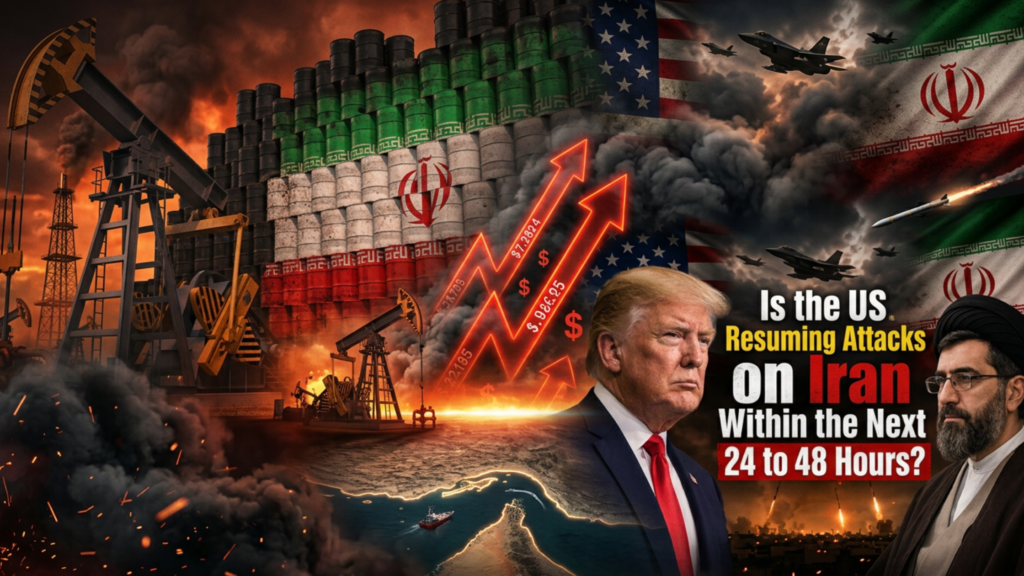
The rise in tensions between the US and Iran has fuelled concerns over oil supply disruption.
Recent reports shows:
Brent fell above the $110 barrel mark, Traders are afraid of supply shortages, so oil prices have risen sharply,
Shipping activity around the Strait of Hormuz has slowed considerably, It may seem like a Middle Eastern problem far away from home, but the impact ripples out to virtually every country.
World Wide Effects of Oil Cost Climb, The biggest victims are countries that import oil because they have to pay more money for energy from abroad.
Economists also cautioned that extended oil shocks could slow growth and boost unemployment.
Why this is dangerous for young people
Inflation influences prices today and even further down in time. It can silently destroy futures.
Here’s how:
- Savings Lose Value
- When inflation rises more quickly than wages, people end up saving less in the long run.
- Companies Reduce Hiring
- Businesses facing high costs often:
- stop hiring,
- reduce expansion,
- or cut jobs.
- Education and Housing Become Expensive
- For young adults, this could be even more challenging:
- rent,
- higher education,
- buying homes,
- and starting businesses.
- Career Competition Increases
In a slowing economy, more people competing for fewer opportunities.
This is why many economists fear that inflation can have a slow erosion buy an entire generation of financial stability.
During Such Difficult Times What Can People Do?
No one controls global wars or oil markets, but we are better equipped to prepare for the future.
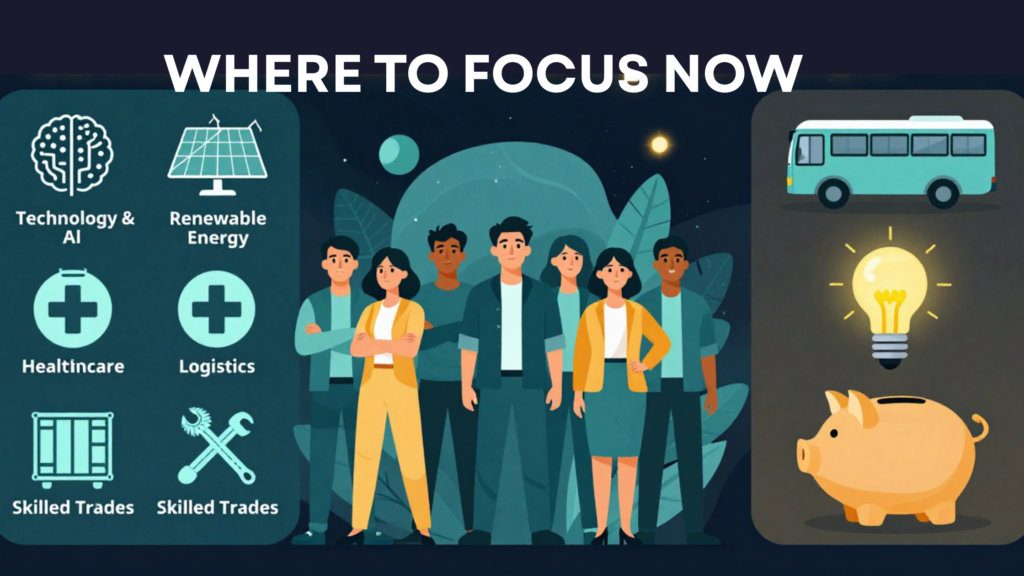
1. Focus on Stable and Future-Oriented Skills
Some industries remain strong even during economic pressure:
| Growing Career Areas | Why They Matter |
| Technology & AI | High global demand |
| Renewable Energy | Future energy transition |
| Healthcare | Always essential |
| Logistics & Supply Chain | Critical during crises |
| Skilled Trades | Strong practical demand |
Learning adaptable skills is becoming more important than relying on one traditional career path.
Examples:
- Using public transport more often
- Reducing fuel-heavy spending
- Saving electricity
- Avoiding unnecessary loans
- Building emergency savings
These little habits can be highly effective in times of high inflation.
2. Invest in Long-Term Stability
People should focus more on:
- Financial planning
- Emergency funds
- Skill development and health
- Economic uncertainty rewards preparation
A Simple Example of How Oil Affects Daily Life
Imagine oil prices rise by 30%.
Then:
- Truck transport becomes expensive
- Grocery stores pay more for delivery
- Food prices increase
- Restaurants increase prices
- Families spend more
- People save less
- Businesses sell less
- Hiring slows down
This chain reaction is why oil is often called:
“the backbone of the global economy.”
Check: A Guide to Choosing the Right Engine Oil for Your Vehicle
3. Reduce Unnecessary Dependency
A sustainable lifestyle can protect families financially.
Examples:
- Using public transport more often
- Reducing fuel-heavy spending
- Saving electricity
- Avoiding unnecessary loans
- Building emergency savings
These small habits become powerful during inflationary periods.
Final Thoughts
Our world has never been more interconnected. Everyday life — where a war thousands of kilometers away can still shape gas prices, employment opportunities, food prices, and economic security.
Tensions in and around the Strait of Hormuz are signalling to the world how dependant modern economies still are on oil. More than one-fifth of the world’s oil trade travels through this narrow passageway, meaning even minor interruptions create global ripple effects.
It sometimes costs more to each product, but inflation is not only about expensive. It insidiously impacts your prospects, savings, chances of growth in your career and long-term financial stability.
And this is why this moment matters for people — especially those under 40 or so — to think differently:
- build adaptable careers,
- learn future-proof skills,
- spend wisely,
- and prepare for a changing world.
When the future may be more hazy than clear, knowledge and preparation will still go a long way.