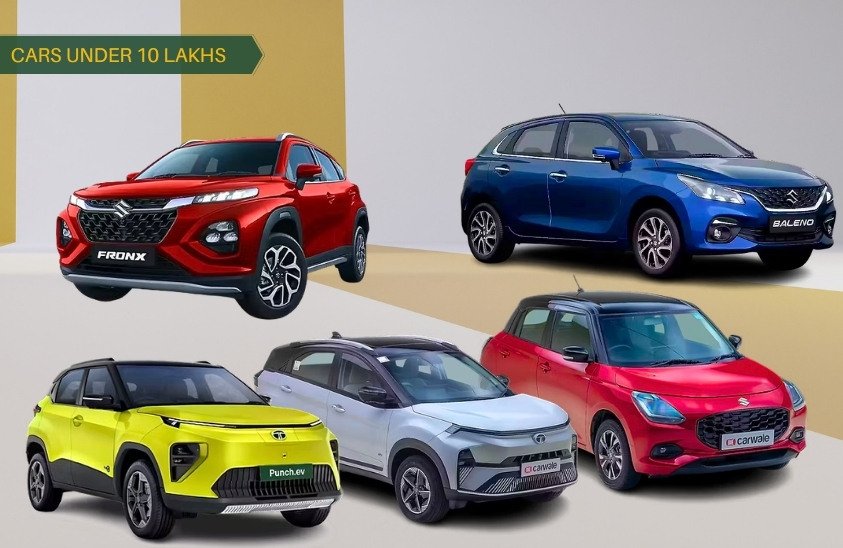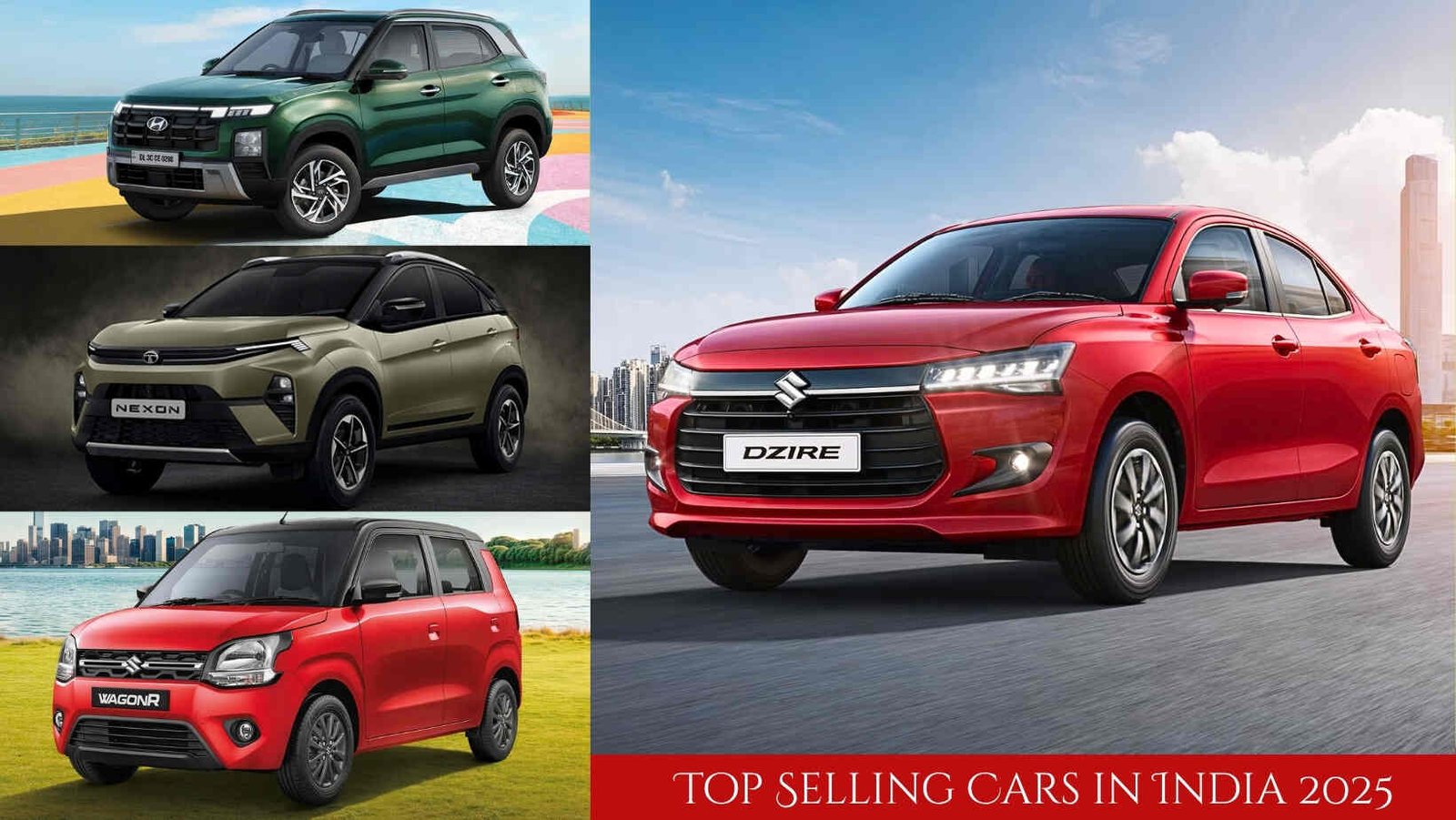
In 2025, India marked a significant milestone. The passenger vehicle wholesales also dipped into the heavy traffic by recording 45.5 lakh units for the first time in the country’s automotive history, which is a 5 per cent increase year-on-year. This is a market that’s really changing. SUVs now make up 55.8 percent of India’s total passenger car sales, compared to 53.8 percent last year. But the vehicle that was on every list and that’s making a comeback to number one is not an SUV. It is a compact sedan at a price tag of under ₹10 lakh and can achieve more than 33 km per kg on CNG.
This is one more interesting tale of the year 2025, where the Maruti Suzuki Dzire had returned to the best sellers list in India. Mahindra, which has been seen as a niche player in the premium off road segment to date, saw a rise in its ranking by joining second place on the overall chart on manufacturers list, ahead of Hyundai and Tata. The best-selling car in India in 2024, Tata Punch fell all the way to tenth place. For the first time in the country, the Hyundai Creta has become the first car longer than four metres to sell two lakh units or more a year. All of these are stories of what Indian car buyers are actually looking forward to 2025 and where this market is going.
This article will provide the full list of the top 10 best-selling cars in India for C.Y. 2025, yearly sales volume, starting price, powertrain options and reasons behind the popularity of each car. We also explore the wider market trends driving re-shaping of buying decisions by segment and geography.
Why These Rankings Matter for Indian Car Buyers
The importance of car sales ranking is more functional in India than in most of the other markets as it directly impacts what is available, affordable, and supported in the long run. Manufacturers’ involvement is fundamentally different for a model that sells two lakhs a year than for a model that sells twenty thousand. The high-volume versions will be updated more often, be offered in more trims, have quicker dealership service times, have lower insurance costs, and be more attractive in a used car market. Purchasing a Maruti Dzire or a Hyundai Creta isn’t simply acquiring a car; it’s entering into an ownership experience.
The figures are also a direct determinant of the policy and industry planner’s decisions on where new investments can be made. The company has sold a record number of 18.44 lakh units in 2025, the highest ever sales in its annual wholesale, justifying it to speed up their electrification plans and strengthen their CNG infrastructure play. Tata Motors’ impressive sales of 5.87 lakh units (81,125 of which were electric vehicles) further strengthen its arguments for investing more in the EV ecosystem. The rankings will tell the manufacturer where the Indian buyer is standing, and that will help him in planning the next five years of his product.
These rankings are useful to the average consumer who wants to know which vehicles can hold up over time, will sell for a high price and will have a wide range of service and parts available. The popularity of new cars has a direct impact on the popularity of used cars in India, the most popular becomes the most liquid used car and the total cost of ownership over 3-5 years of use is linked to that.
How Consumer Preferences Are Changing in India
The biggest change in India’s automotive market in 2025 isn’t so much that customers are shifting their preference to SUVs, but that they’re shifting towards value for money SUVs. It is in the sub-compact and compact SUV, rather than premium and luxury types, that the boom is occurring. The Tata Nexon, Maruti Brezza, and Mahindra Scorpio have become more popular not because Indian car buyers have become richer, but because these models are now safer, more feature-rich, can offer more ground clearance, and are even more cost-effective than a hatchback in the same price segment.
The second trend is also important – the rise of alternative fuels. That is the ratio of CNG and shows how much it has risen from what was unimaginable 5 years ago when the ratio was just 17%. The Maruti Ertiga’s success in MPV is solely due to its CNG models, where 72 per cent of sales took place in CNG powered models. Maintenance expenses of CNG vehicles are significantly less than that of petrol vehicles and after being developed in various tier-2 and tier-3 cities, the fuel type has become a mainstream choice.
EVs are a small share of total sales, but they are increasing. While Tata Motors’ EV business was led by the number of vehicles sold in the segment with 81,125 units in 2025, it still accounted for about 14 per cent of the company’s sales and a small share of the market. The EV adoption curve in India is real, albeit slow, and is constrained by the lack of charging infrastructure, especially in smaller towns and cities which are responsible for most of the volume growth. While India’s biggest selling EV on the calendar year was MG’s Windsor EV, its sales are still negligible in comparison to the mainstream EV leaders.
Aspirational buying is also driving the growth of the high-end of volume sales. As the most expensive model on the list, the Mahindra Scorpio is priced above ₹24 lakh (in diesel variants) and its presence in the top 10 is a sign of Indians’ increasing willingness to indulge themselves in the belief of being treated to premium quality and road presence. This is a positive cultural evolution, moving from a more utilitarian purchasing mentality to a more aspirational approach, especially in urban and semi-urban regions.
India’s 2025 Market is Dominated by SUVs and CNG Vehicles, but Why?
In 2025, SUVs accounted for 55.8 percent of all passenger vehicle sales, a record percentage and a solid sign that this new segment is not merely a passing fad. There are three reasons for this. First, the price difference between hatchback and entry-level compact SUVs has been dramatically reduced in the last four years.
- Prices of the SUV silhouette models, such as Tata Punch, Maruti Fronx and Hyundai Exter, have now dropped below ₹7 lakh, making them available for everyone who could afford only hatchbacks.
- Second, the extra ground clearance that an SUV offers is a functional rather than a luxury attribute in India, especially in tier-2 and tier-3 cities and villages where dirt and rough road surfaces have not yet become a thing of the past.
- Thirdly, the highest safety ratings awarded to Tata cars such as the Nexon have raised the awareness level of buyers in India about safety, and the common impression that SUVs are structurally safer remains a key consideration even when there is a substantial price gap.
- The increase in CNG is on economic grounds. In most Indian cities, the price of CNG is about 60-70 percent cheaper than petrol per kilometre running cost as of 2025. The average price of fuel has not come down and monthly household budgets are on continuous stress, so that the buyer is now considering the use of CNG as a criteria, not as an optional add-on.
- The average fuel price has not dipped down and household budgets are on a regular stress, making CNG a criterion rather than an optional upgrade for the buyer, especially taxi, shared cab and high mileage commuters. The adoption of CNG by the carmakers like Maruti across most of its portfolio and Tata’s CNG for Nexon and Punch is a direct response to this shift in demand.
- The SUV platform and CNG engine, which now power models such as the Tata Nexon CNG, Maruti Brezza CNG, and Tata Punch CNG, is the perfect match that is most fiercely competitive as we move into 2026. Now, any manufacturer who can provide an SUV car that can be made CNG efficient and that also has a 5-star safety rating at under ₹12 lakh is effectively in possession of the most sought after product formula in the Indian market right now.
The 10 Top Selling Cars in India 2025: Annual Sales, Price & Powerstrain
| S No | Cars Name | Body Type | Powertrain | Annual Sales | Price (Ex-Delhi) |
| 1 | Maruti Suzuki Dzire | Compact Sedan | Petrol / CNG | ~2.20 lakh | ₹6.79 – ₹9.94 lakh |
| 2 | Hyundai Creta | Compact SUV | Petrol / Diesel / Electric | ~2.01 lakh | ₹11.11 – ₹20.45 lakh |
| 3 | Tata Nexon | Sub-Compact SUV | Petrol / Diesel / CNG / EV | ~2.00 lakh | ₹8.10 – ₹15.50 lakh |
| 4 | Maruti Wagon R | Hatchback | Petrol / CNG | ~1.94 lakh | ₹5.54 – ₹7.44 lakh |
| 5 | Maruti Ertiga | MPV | Petrol / CNG | ~1.92 lakh | ₹8.69 – ₹13.02 lakh |
| 6 | Maruti Swift | Hatchback | Petrol / CNG | ~1.89 lakh | ₹6.49 – ₹9.64 lakh |
| 7 | Maruti Fronx | Crossover | Petrol / CNG | ~1.80 lakh | ₹7.51 – ₹13.32 lakh |
| 8 | Mahindra Scorpio | SUV | Diesel | ~1.77 lakh | ₹13.49 – ₹24.54 lakh |
| 9 | Maruti Brezza | Sub-Compact SUV | Petrol / CNG | ~1.75 lakh | ₹8.34 – ₹14.14 lakh |
| 10 | Tata Punch | Micro SUV | Petrol / CNG / EV | ~1.73 lakh | ₹6.13 – ₹10.20 lakh |
Note: Annual sales data represents the total of wholesale (dispatch) data from calendar year 2025 – Jan to December 2025. The prices mentioned are indicative ex-showroom Delhi and are based on early 2025. Sources: AutoCar India, AutoPunditz, CarDekho, SIAM data.
1. Maruti Suzuki Dzire: ~2.20 Lakh Units | ₹6.79 – ₹9.94 Lakh
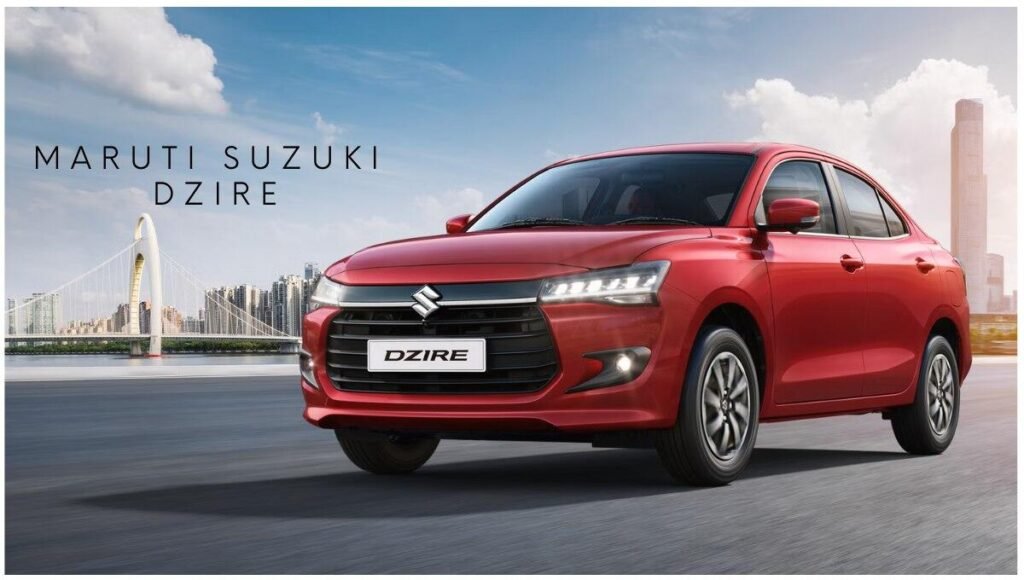
In 2025, the Tata Punch had a one-year reign on the top spot of the best-sellers list but in 2025, that list was back at the top with the Maruti Suzuki Dzire. In 2025, the Tata Punch took over the number one spot in the best-sellers list but in 2025, the top spot was back to Maruti with the Dzire. The fourth generation Dzire saw the all-new Z12E three-cylinder petrol engine, a revamped platform and an even more upscale cabin than the previous model, and it didn’t disappoint consumers.
Sales typically saw sales volumes of more than 20,000 per month until 2025 and the CNG version of the model was doing extremely well, with operating costs in the range of less than ₹3 per kilometre in most cities.
The key to the Dzire’s performance is its context. It’s a small car in a very SUV- and crossover-oriented market. The success of the car proves that the Indian buyer has not given up on the sedan format, only put his expectations higher. Thanks to a cleaner design, high mileage (24.79 km/l on petrol and 33.73 km/kg on CNG) and a price that’s well under ₹7 lakh, the new Dzire had just the right value proposition for all buyer segments, from first-time buyers to ride-hailing fleet operators.
2. Hyundai Creta: ~2.01 Lakh Units | ₹11.11 – ₹20.45 Lakh
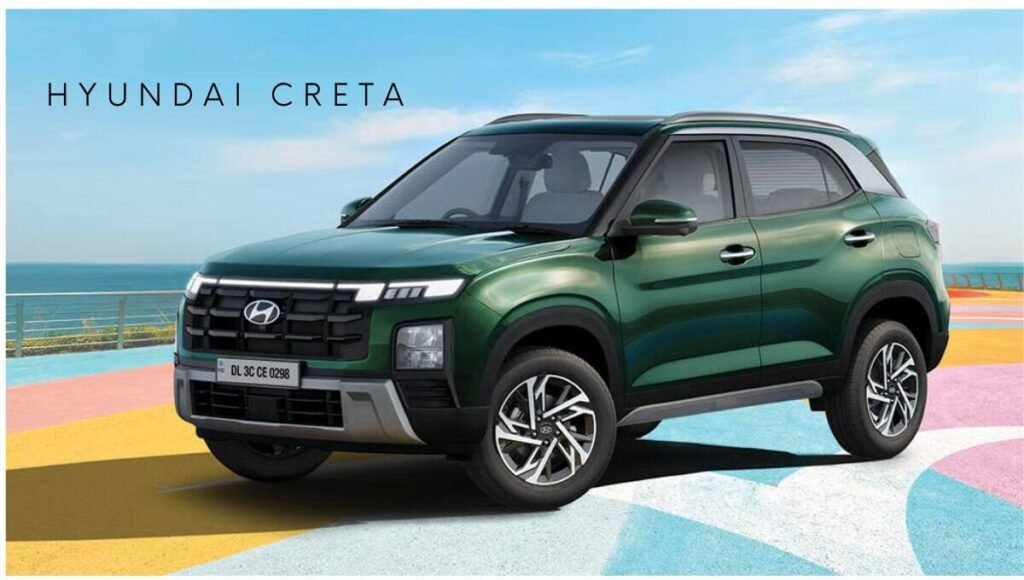
This marks the Hyundai Creta’s first time surpassing two lakh sales per year in India, a record length of car for the Indian market.The Hyundai Creta was the first car to sell over four metres in India to reach this milestone. The fifth-generation Creta introduced with a bold facelift and a host of new and enhanced ADAS safety equipment in early 2024 still delivered strong sales in 2025.
The company also recently launched the Creta Electric in India in 2025, and all EV sales of this model are part of the cumulative sales, increasing the nameplate’s presence in the growing, albeit still small, EV buyer base in India.
The Creta is offered in a 1.5-litre petrol, 1.5-litre turbo petrol and 1.5-litre diesel range, catering to buyers of all fuel preferences. It is the obvious choice for the buyers in the ₹12 lakh to ₹18 lakh segment due to its robust 5-star Global NCAP rating, feature loading in all variants and Hyundai’s expansive service network. Although Hyundai is dropping from 2nd to 4th rank as a car manufacturer in 2025, the Hyundai Creta’s performance per model is unprecedented.
3. Tata Nexon: ~2.00 Lakh Units | ₹8.10 – ₹15.50 Lakh
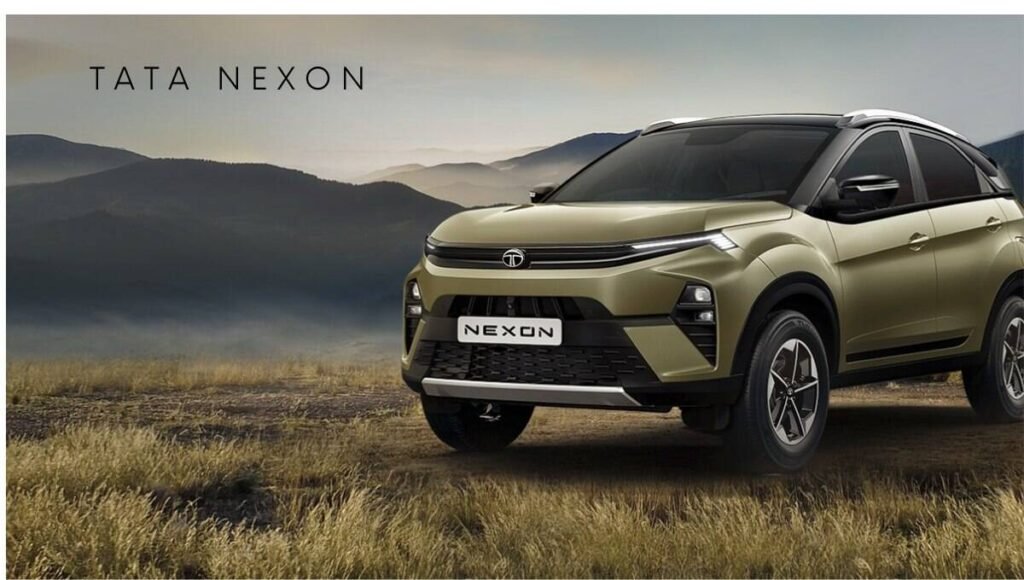
The Tata Nexon was India’s 2025’s third-most popular vehicle, and it is definitely the most flexible on this list. The Nexon is available in all four fuel options – petrol, diesel, CNG and electric – and this is the first time a vehicle is being sold in all these four powertrain options in India. The facelift version retains one of the top safety ratings in the segment and Tata’s after-sales service network has made life easier for customers, who had complained about the scarcity of such networks.
The Nexon was the best-selling option in November 2025 with 22,434 units sold, which is up 46.35 per cent from last year. While the latter was the bulk of the total, Tata’s EV versions of the Nexon played a significant part in it as well, with the Nexon EV consistently topping the list of the top 3 EVs sold in India as seen every month. Its wide range of powertrain options and high safety rating make it the default recommendation of buyers looking to future-proof their car or truck purchase but not prepared to go all the way with a fully electric vehicle.
4. Maruti Wagon R: ~1.94 Lakh Units | ₹5.54 – ₹7.44 Lakh
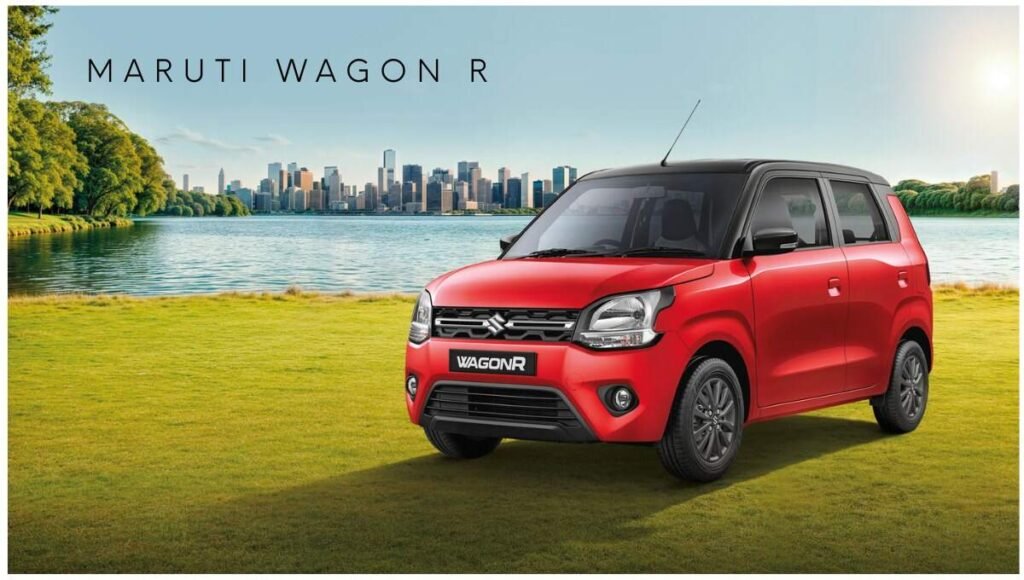
Maruti Wagon R was one of the longest running automotive success stories in India. It was the top seller overall in FY2025 and even in Calendar Year 2025 sold nearly 1.94 lakh units to inch up to the fourth position. The formula of the Wagon R has remained largely the same over the years: tall-boy body, a large interior for its size, and an attractive price point, and that is what it’s good at. When potential customers are moving from a two-wheeler to their first car they are drawn to the simplicity of driving, low cost to maintain and slow depreciation of the Wagon R.
A major component of Wagon R volumes is CNG. With excellent fuel efficiency which significantly lowers fuel expenses of urban drivers and shared cab drivers, and simple mechanicals that maintain reliability, Maruti’s CNG variant also brings down the service expenses after 3-5 years of ownership. All these years they have been sitting in the top five, and Maruti’s ability to win India’s mass market on the basis of its price sensitivity has been proved.
5. Maruti Ertiga: ~1.92 Lakh Units | ₹8.69 – ₹13.02 Lakh
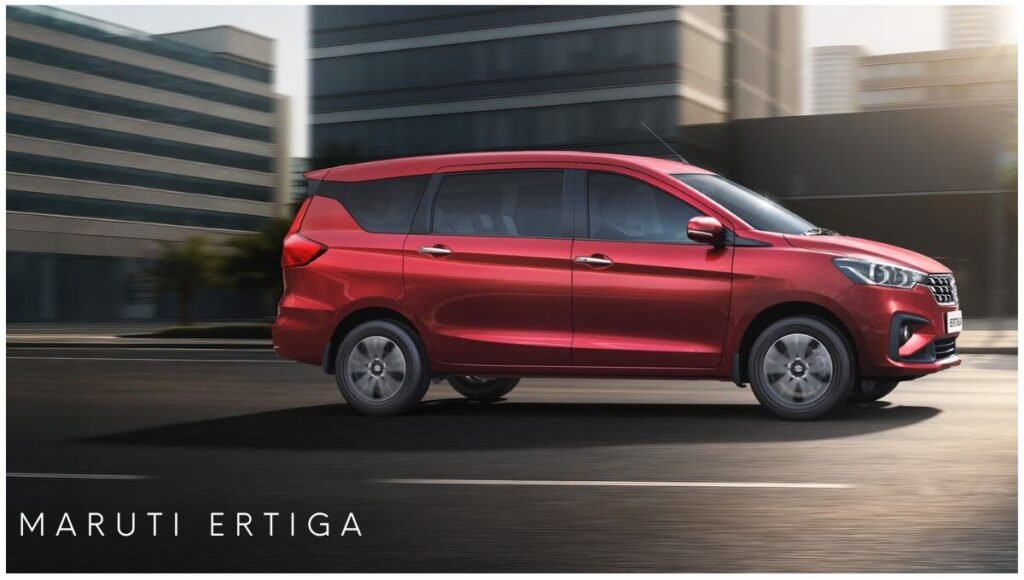
The Maruti Ertiga is the only MPV that has made it to the top 10 best-selling cars in India for 2025, which is an indication of how niche it is to cater to a buyer category which no other competitor has been able to beat yet. The Ertiga is the people hauler of choice for shared cab operators, big families and small businesses looking to get people from place to place at the lowest running cost when using CNG fuel. The CNG version of Ertiga is one of the stronger growth performers among Maruti’s variants with 15 percent year-on-year sales growth, accounting for 72 percent of the sales.
Toyota’s Innova Crysta is priced much higher while Kia’s Carens is in the style-premium category. The Ertiga is compelling in the tier 2 and tier 3 cities where services are less and service network plays a crucial role, combined with price and availability of CNG.
6. Maruti Swift: ~1.89 Lakh Units | ₹6.49 – ₹9.64 Lakh
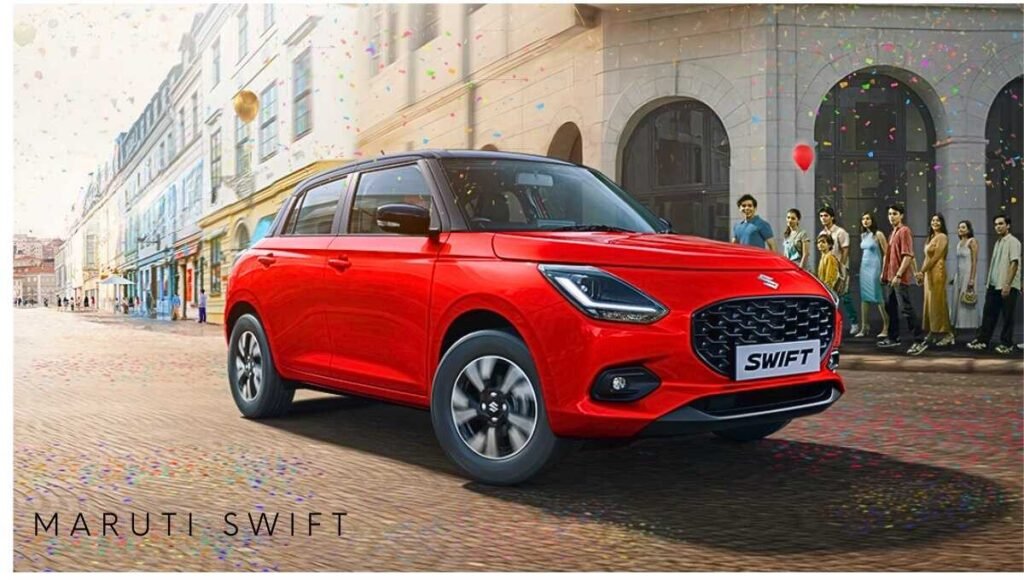
In 2024, the Maruti Swift was updated and came into the 2025 with a more feature-packed hatchback that has a new Z12E petrol engine shared with the Dzire, and is sharper as well. The arrival of its update coincided with the right moment, as the Swift is being squeezed by both micro-SUVs from the bottom and the Fronx crossover from the top in the hatchback segment.
In 2025, Swift sold 1.89 lakh units, showing a 4 percent year-on-year increase, and proving that the hatchback still has potential customers in the form of urban first-time buyers and younger buyers who are focussed on driving dynamics over space.
But the Swift’s position as a driver’s car (and the most engaging chassis in its class) means that it remains relevant even as the class as a whole falls out of favor. Not only is the new CNG option expanding the Swift range for high-mileage consumers, but also helps them get a car that they might otherwise have been opting for the Wagon R or Dzire for.
7. Maruti Fronx: ~1.80 Lakh Units | ₹7.51 – ₹13.32 Lakh
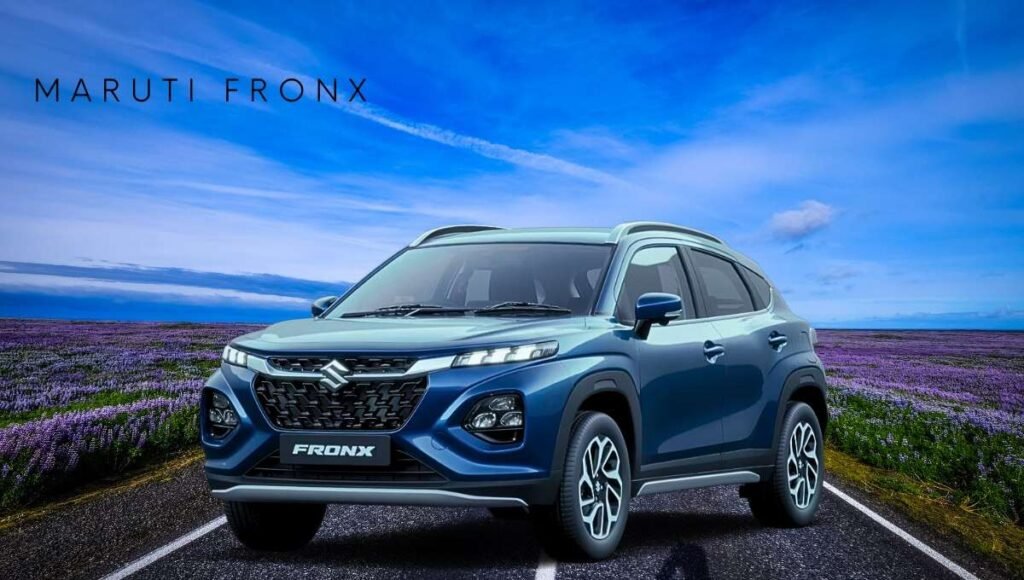
The fastest growth in FY25 came from the Maruti Fronx which saw a 23 percent increase in sales, and the positive trend continued through the calendar year 2025, with sales reaching around 1.80 lakh units. The Fronx is designed to appeal to those who like to have the look of a compact SUV with the body height of a hatchback, but don’t want to pay the hatchback price. The Fronx is styled around the Baleno platform but with a higher ride height and optional turbo petrol and CNG engines, it has filled a price segment that it identified.
The Fronx is also expected to bite into the market of Tata Punch and Hyundai Exter in what is likely to be India’s most competitive segment — the sub-₹10 lakh crossover market. Marketed under its Maruti brand, it enjoys the benefit of its service network and the convenience of its CNG pricing, making it an obvious upgrade proposition for those who have purchased a Wagon R and Alto but are looking for an SUV-like offering, but not a Brezza in that price range.
8. Mahindra Scorpio: ~1.77 Lakh Units | ₹13.49 – ₹24.54 Lakh
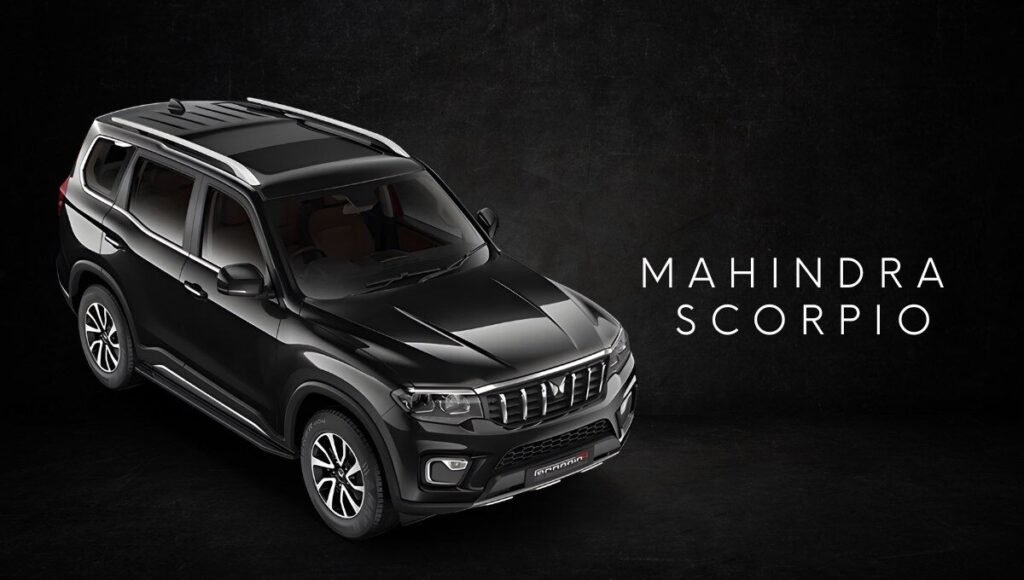
The entry of Mahindra Scorpio in the top 10 is the most convincing evidence of the changes in aspirations of car buyers in India. The Scorpio’s inclusion means volume sales are no longer just in the sub ₹10 lakh bracket as diesel models of the Scorpio are the most expensive on this list at ₹24 lakh.
In 2025, the combined Scorpio family (Scorpio Classic and Scorpio N) recorded around 1.77 lakh sales, with 95 percent of the vehicles sold as diesel variants, and the customer base consisting of more rural affluent, more semi-urban aspirational buyers and more buyers who prioritise having a commanding road presence.
The mix of the Scorpio’s consistent sales with that of the Thar and XUV700 are the primary pillars of Mahindra’s upward progress, moving past Hyundai and Tata to become the second biggest manufacturer in 2025. Mahindra’s lack of exposure to the invaded segment below it’s own showcases the brand’s true value. The Scorpio is more than just a car for a substantial part of India’s clientele, especially the women of Haryana, Rajasthan and Maharashtra, who use it as a social declaration.
9. Maruti Brezza: ~1.75 Lakh Units | ₹8.34 – ₹14.14 Lakh
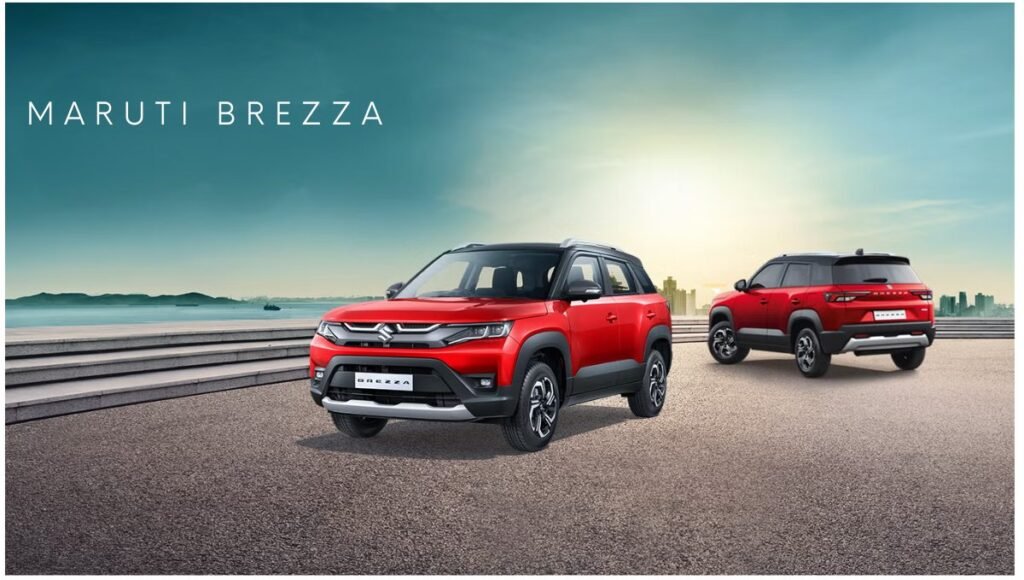
The Maruti Brezza is the longest running compact SUV in India and maintains a competitive stance in a segment which has become very competitive since it was launched in 2016. The Brezza sold around 1.75 lakh units last year and has been the sole indicator that proves Maruti can make a mark in the fast-growing compact SUV market segment. The feature disadvantages it has against newer models like the Nexon facelift and the Creta are still not enough to offset its Maruti ownership benefits, such as the largest service network in India, lower insurance premiums due to its high sales volume, and its high resale value.
The CNG has been an important addition, making the model appealing to the same customer base that eagerly purchase Ertiga and Wagon R models with high mileage. The SUV road presence, combined with the aggressive running costs, is now a package that no other player in the compact SUV market offers at this price.
10. Tata Punch: ~1.73 Lakh Units | ₹6.13 – ₹10.20 Lakh
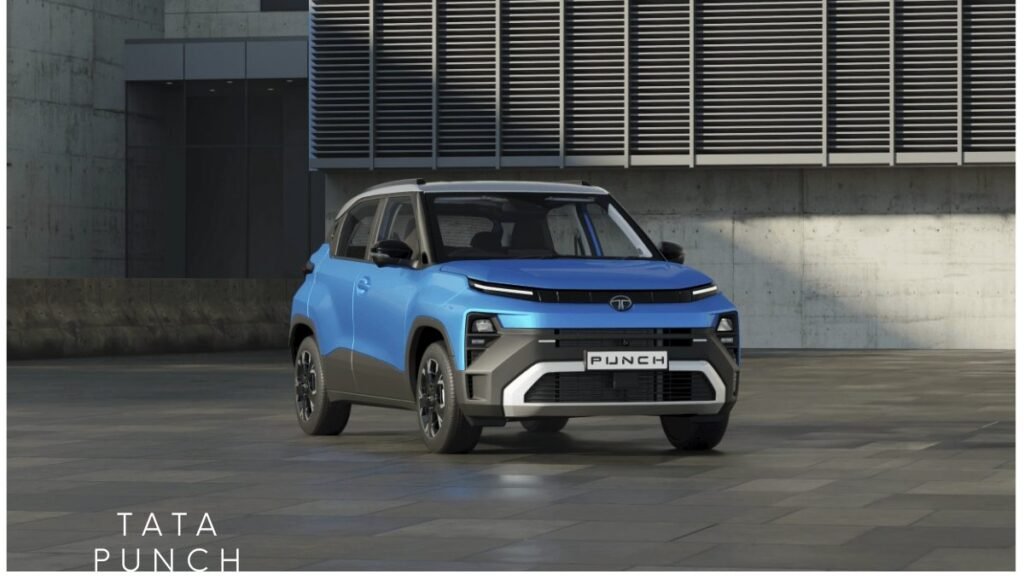
The Tata Punch is the biggest loser in this list, dropping from 1st to 10th in one year, and needs a thorough explanation. The Punch sold more than 2.02 lakh units in 2024, becoming India’s top-selling car and the first Tata model to claim the top spot, thus ending Maruti’s 40-year lead.
According to AutoPunditz, combined sales dipped to around 1.73 lakh units in 2025, as Punch EV sales dropped 29 percent year-on-year, and sales of the CNG model decreased by 13 percent. The two big reasons overall are a) the anticipation effect: the looming facelift for the ICE version prevented buyers from purchasing the car and b) Punch EV was met with stiffer competition from the MG Windsor EV and the Tata Curvv EV in an emerging electric segment.
The Punch’s primary proposition — micro-SUV styling, five star safety, and several powertrain options ranging as low as ₹7 lakh — is still very strong. Given that the 2026 facelift will feature a new 1.2-litre turbo petrol engine, it is believed Punch sales will improve significantly. This is not a structural deterioration, this is a pause in the 10th place in 2025.
The Manufacturer Landscape: Who Dominated India in 2025
Overall, Maruti Suzuki had a commanding performance, outselling its competitors with 18.44 lakh units sold in the calendar year 2025, which is about 40 per cent of the market share, and secured undisputed top spot. A level of concentration that no other market in the world, except Maruti, experiences from one manufacturer, as there are 6 places out of 10 in the best sellers list.
- Hyundai got bowled out of the race as Mahindra comes to 5.93 lakh units, riding on the momentum of SUVs in its Scorpio, Thar, XUV700 and XUV3XO range.
- Tata Motors was the third largest with 5.68 lakh units of which 81,125 were EVs.
- The Hyundai Motor Company trailed at fourth place with 5.60 lakh units followed by Toyota at 3.21 lakh units.
- The industry as a whole touched 45.5 lakh units in 2025 as compared to 44.0 lakh units in 2024, a 5 percent year-on-year growth, helped by the GST reform that went into effect in September 2025, which saw a surge in the industry at the end of the year.
- This December, alone, 4404231 units were sold, which is a 25 per cent rise from the previous year and one of the highest month-on-month sales in the history of the Indian automotive market.
FAQs
In the calendar year 2025, the Maruti Suzuki Dzire has been the top-selling car in India, having recorded sales of around 2.20 lakh units. With the new engine, better fuel efficiency and a much-refreshed interior, the fourth generation of the Dzire took over the top spot from the Tata Punch, who occupied the top spot in 2024.
For 2025, the Hyundai Creta is the top-selling SUV, having sold more than two lakh units so far— the first car above 4-metres to achieve that mark for an entire year. The Tata Nexon sits close to the bottom end of SUVs, and is in first place in the sub-compact segment.
The Tata Punch’s movement from 1st to 10th position was due to three main reasons: its steep 29 percent decline in Punch EV sales as EV competition increased with the MG Windsor and Tata Curvv EV; a 13 percent drop in CNG variant sales; and that the buyers were waiting for the all-new facelift with a new turbo petrol engine in Tata Punch, which is expected in 2026.
In India, 55.8 percent of total passenger vehicle wholesales in 2025 were in SUV category, as compared to 53.8 percent in 2024. This is the highest percentage of SUV sales in India and has been a consistent trend in India’s shifting consumer preference from hatchbacks and sedans to crossovers and compact SUVs.
CNG is the fastest growing of the established fuels. By 2025, CNG power is responsible for 37 per cent of Maruti Suzuki’s total sales, which is the highest to date as the costs of running CNG are much lower than running petrol. Although electric vehicle sales are picking up, the overall EV penetration remains low at under 5 per cent of total passenger vehicles sold, with Tata Motors selling 81,125 EVs in 2025.
Maruti Suzuki dominates the Indian passenger vehicle market with a 40 per cent share, which is higher than any other brand share of any major automotive market in the world. It is the biggest car dealership and service network in India, and the largest offering of CNG capable cars, competitively priced, and with very good resale values, making the total cost of ownership very attractive to all income groups. In 2025, it sold 18.44 lakh units, the highest annual wholesale sales ever.