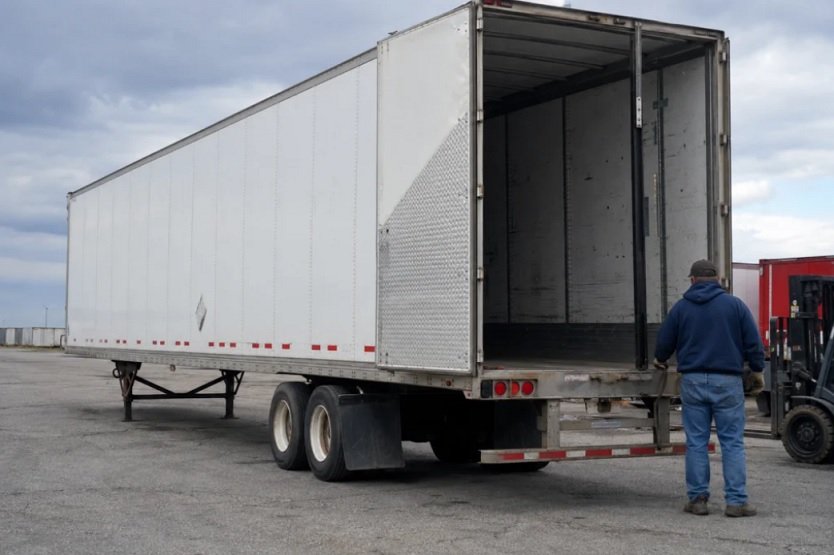
A dispatcher calls at 6:40 a.m. because a trailer that looked fine on paper keeps causing loading delays.
The dock crew says the forklift angles are awkward. The driver says the suspension feels rough. Accounting says maintenance costs are creeping up again.
That is usually how trailer buying gets real. Not in a showroom, not in a spec sheet, but on a Tuesday morning when every small mismatch starts costing time.
Start With the Work, Not the Trailer
Fleet owners sometimes shop backwards. They start with price, age, or whatever looks clean in photos.
Honestly, that is how you end up with a trailer that technically works but never quite fits the route.
Match Length to Your Normal Loads
A 53-foot dry van sounds like the safe default because so many fleets use it.
But if you mostly run regional deliveries with partial loads, tight yards, and city docks, longer is not always better.
You may save more with easier turns and quicker loading than with extra cubic space you barely use.
And if you haul pallets, count real pallet positions, not hopeful ones.
Check Width and Door Opening
The common 102-inch outside width helps with standard freight, but the door opening matters just as much.
A few inches can decide whether dock workers load quickly or spend ten minutes adjusting every second pallet.
That stuff adds up. A five-minute delay across six stops is half an hour gone.
Think About Loading Height
Deck height gets ignored until someone has to load machinery, coils, or awkward boxed cargo.
A lower deck can make loading easier, especially if your freight already pushes height limits.
To be fair, a lower trailer may bring tradeoffs in ground clearance, so match it to the roads you actually use.
Weight Ratings Tell a Bigger Story
The funny part is, nobody gets excited about rating plates. Still, those little numbers decide how useful a trailer really is.
GVWR Is Not Just a Legal Detail
Gross vehicle weight rating tells you the maximum loaded weight the trailer can safely handle.
In many road setups, the full combination limit sits around 80,000 pounds, though local rules and axle spacing can change the exact picture.
A trailer with a higher rating is not automatically the smarter buy. You need a usable payload after you subtract the trailer’s own weight.
Empty Weight Can Quietly Cost You
A heavier trailer may feel solid, but every extra pound reduces the cost of paying freight.
If two similar trailers differ by 1,500 pounds, that gap matters on dense loads like beverages, tiles, or bagged materials.
This is where buyers often get distracted by shiny floors and fresh paint. Useful, sure. But weight pays or punishes you on every trip.
Axles, Spacing, and Real Routes
Axle setup affects load balance, tire wear, and compliance. A trailer that works nicely on long highway runs may feel annoying on short routes with sharp turns and uneven yards.
At some point, you stop buying for the perfect lane and start buying for your messiest regular lane.
Suspension and Brakes Deserve More Attention
Suspension is one of those specs people say they care about, then rush past. Weirdly enough, it can shape driver comfort, cargo condition, and repair patterns all at once.
Air Ride Versus Spring Suspension
Air ride usually handles fragile freight better and gives drivers a smoother feel. Spring suspension can be simpler and cheaper to maintain in some operations.
Neither choice is magic. If you haul electronics, packaged food, or anything that dislikes vibration, air ride makes sense when you think about it.
If you haul tougher freight on shorter routes, spring may still be perfectly practical.
Brake Type and Service History
Do not just ask what brake system it has. Ask what has actually been serviced.
Brake chambers, lines, drums, rotors, and sensors all tell a story. A trailer with neat paperwork from 2022 onward may beat a cleaner-looking unit with mystery maintenance. Pretty paint does not stop well.
Tire Size and Wear Pattern
Tire size should match your service needs, but the wear pattern may tell you more than the sidewall. Uneven wear can point toward alignment issues, overloaded axles, or suspension problems.
For a broader look at trailer types and market options, https://artan.kz can be a useful reference while you compare what specs matter for your own fleet.
Body Construction Changes Daily Use
Two trailers can share the same basic category and still feel completely different after six months on the road.
Floor Rating and Material
Floor strength matters if forklifts enter the trailer. A floor rated for light pallet jacks may not tolerate repeated forklift traffic.
If your warehouse uses forklifts daily, ask about the floor rating before you ask about the cosmetic condition.
Roof, Sidewalls, and Corrosion Points
Look closely around seams, rivets, roof bows, landing gear mounts, and rear frames. Small leaks can turn cargo claims into a recurring headache.
Aluminum parts save weight, while steel parts often bring toughness. The right mix depends on weather, routes, cargo, and how rough your yards are.
Doors and Hardware
Swing doors, roll-up doors, hinges, seals, latches, and rear frames all affect daily handling. A trailer door that fights the driver every morning becomes a tiny morale problem.
That sounds dramatic until you have watched someone wrestle a sticky latch in freezing wind.
Price Only Matters After Fit
A cheap trailer that sits idle is expensive. A pricier one that runs every week, loads cleanly, and avoids surprise repairs may be the better deal.
Used units can make sense, especially for fleets adding capacity without wanting the new equipment costs. But you should price the first year, not just the purchase day. Tires, brakes, floor repairs, lighting, inspections, and downtime all belong in the math.
New trailers bring cleaner warranties and easier spec control. Used trailers bring faster availability and lower upfront spend. Neither answer wins every time.
The smarter move is boring: compare the trailer against your freight, your drivers, your yards, and your maintenance habits. If those four things line up, the buying decision gets a lot clearer.
Trucking keeps changing, but trailers still have a stubbornly physical job. They carry weight, survive weather, fit docks, protect freight, and take abuse from people in a hurry. The best fleet owners I have watched do not chase the perfect spec. They notice patterns, fix small mismatches, and buy equipment that makes normal days less annoying.