When the Government announced the €10 million ICE2EV scrappage scheme in June 2026, one detail jumped out from the usual grant headlines. A full 65% of the fund was set aside for rural applicants, with the other 35% kept for urban areas. It was a clear sign that this scheme was built with the countryside in mind, and for good reason. If you live beyond the big cities and you’ve been weighing up an electric car, this is the most rural-friendly EV deal Ireland has put on the table so far.
Why the countryside gets the bigger share
The thinking behind the split is straightforward. Rural households lean on the car far more than urban ones, simply because public transport is thin on the ground. For loads of families outside Dublin, Cork, Galway, Limerick and Waterford, the car isn’t a lifestyle choice. It’s the only handy way to get to work, drop the kids to school, do the shop or get to the GP.
That dependence has long made rural drivers cautious about going electric. Worries about range, charging and resale value weigh heavier when there’s no bus or train to fall back on. By steering the bigger share of the scrappage budget, run by SEAI and announced by the Minister for Transport, towards rural applicants, the Government is facing that reality and trying to bring EVs to the places that have been slowest to take them up. Every grant takes an older, dirtier car off exactly the kind of high-mileage country roads where the emissions savings are biggest.
How much rural drivers can claim
The scheme offers up to €8,500 in combined support. That’s a €5,000 scrappage payment for scrapping a qualifying petrol or diesel car registered in 2013 or earlier, plus the existing SEAI electric car grant of up to €3,500. The saving comes straight off the price of your new EV at the point of sale, so there’s no waiting around for a refund.
Whether you count as rural or urban is decided by your Eircode, using the CSO’s list of urban cities. Anyone outside those city areas is treated as rural for the scheme. Your dealer will confirm which one applies when you give your address. And because the rural pot is the bigger of the two, country drivers genuinely have a better chance of landing a grant than the national figure of roughly 2,000 cars might suggest.
Taking the range worry head on
The biggest mental hurdle for rural drivers is range, and it’s worth tackling straight away because the reality has moved on a lot. Today’s electric cars are built for long, real-world journeys, not just short spins around town. Carmakers like nissan ireland now offer family-sized electric crossovers that can do well over 500 kilometres on a single charge in their longer-range versions. That’s comfortably more than most rural drivers cover in several days.
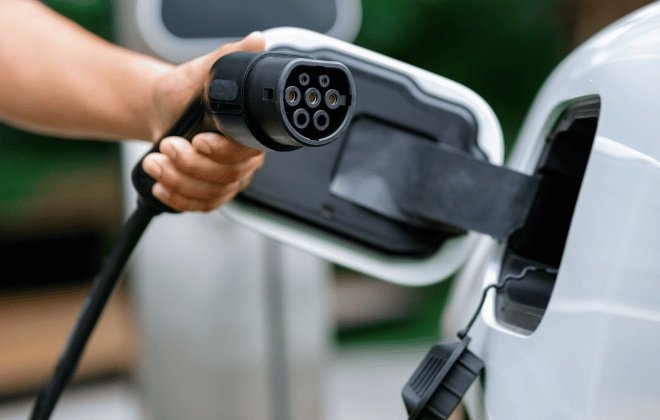
Just as importantly, home charging actually suits country life better than city life. If you’ve a driveway or space to park off the road, which is far more common outside the towns, you can fit a home charger and wake up every morning to a full battery without ever pulling into a forecourt. For a rural household, that means no more diesel runs into town, and charging on cheaper night-rate electricity while you sleep. The public charging network along the motorways and in regional towns has also grown a lot, so longer trips across the country are far easier than they were even a couple of years back.
Picking a car that suits country driving
Not every EV suits every driver, so it pays to match the car to your usual journeys. For longer commutes and family duties, a bigger-battery crossover with a 500-kilometre-plus range and rapid charging, able to claw back a few hundred kilometres in around half an hour at a fast charger, takes range worry off the table almost entirely. For shorter local trips, a compact electric hatchback with a smaller battery can be a cheaper way in while still handling everyday rural mileage with ease.
When you’re comparing options, the official government scrappage scheme ICE2EV page is a handy spot to see which models qualify within the price cap and how the grant applies to each. Qualifying cars must be brand new battery electric vehicles registered from the 262 plate onwards and priced under €60,000, a threshold due to drop to €50,000 for applications made after the 31st of July 2026.
Act early, even the bigger pot will close
Here’s the catch rural drivers in particular need to heed. The €10 million fund won’t last forever, and once the rural category’s share is used up, it closes, with no waiting list. The scheme runs first-come, first-served, and in the weeks after the announcement demand looked strong, with some dealers already cautious about availability.
The message is simple. Don’t assume the bigger rural share means there’s no rush. If you’re seriously thinking about the switch, register your interest with a registered EV dealer now, even before you’ve settled on a model. Getting your name in the queue costs nothing and holds your place if you decide to go ahead.
The case for rural Ireland
For a farmer, a commuter, or a family in a one-shop village, the mix of a €5,000 scrappage payment, lower running costs and home charging on the driveway makes a strong case. The scheme was built for the very drivers who rely on their cars the most, and who therefore stand to gain the most from cheaper, cleaner motoring in the years ahead. If you want to get your head around the full rules before you commit, this Guide for Irish Government Scrappage Scheme To Buy EV Cars explains who and what qualifies in plain terms. Check your old car against the list, talk to a dealer, and if it fits, move before the rural pot runs dry.