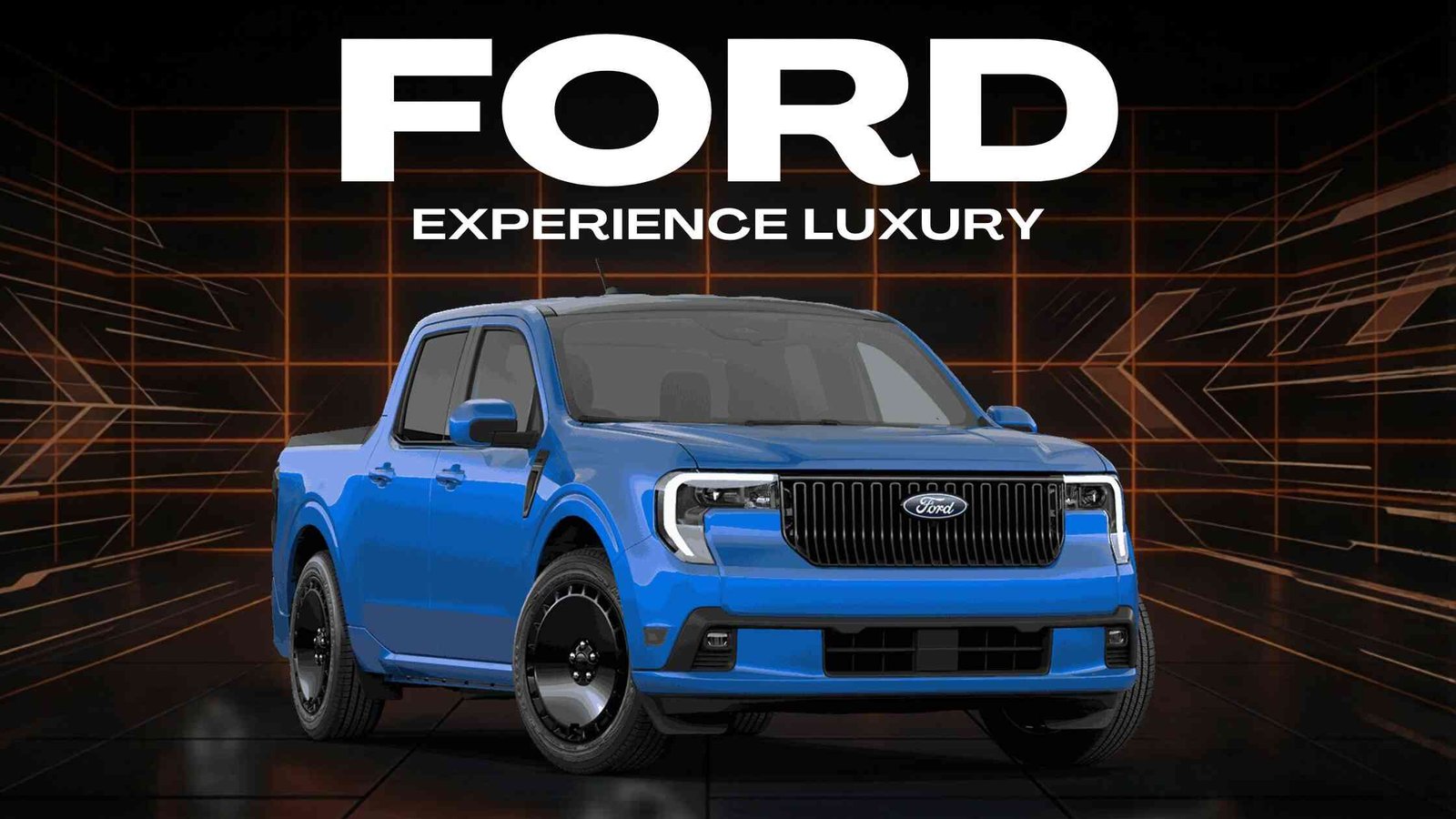
Ford truck bumpers have been designed to be strong but still convenient to use. They are constructed using high-strength steel or aluminium alloy and absorb impact energy in the event of a collision thus protecting the frame and lower parts of the vehicle. The F-Series bumpers feature tow hooks, sensor cutouts and approach angle geometry for off-road functionality without compromising on the structural integrity.
Computer-aided crash simulation is used in the development process to maximize thickness and mount points at Ford. Plus, bumpers are also powder-coated or chrome finished, helping to prevent rust and weathering. All design choices are serving two functions — protecting the truck on the road and still upholding the bold, rugged image that Ford is famous for.
The first thing you notice when you look at a Ford F-150 or possibly a Super Duty is its bumper. It’s strong, type of solid.
However, ‘But’ in real design terms it’s not just for looks. Not at all. The bumper is in fact a built safety element, albeit in some respects a performance as well. Ford manufactures these bumpers for two reasons: to protect in the event of a crash and not to compromise efficiency and driving capability. Not always an easy thing to do.
Bumper is basically the first shield in the front either during construction activities or in normal city traffic.
1. The Engineering behind Impact protection
A bumper’s primary function is to absorb impact energy. It may sound like a simple concept, but there is more to it within the structure. Ford employs high-strength steel and controlled deformation zones to control crash forces.
Absorb, crush, and absorb further.Crumple, crumple again
A lot of people believe the more robust, the more rigid. However, this is not true in the design of safety.
If the bumper will NOT bend, the force goes straight into the cabin. Not good. That is why engineers make it collapse in an orderly fashion. Not a chance-breaking, but a planned fold. This reduces the impact force. This way, passengers inside don’t experience the jolt as they’re getting to the bus stop.
Protecting Vital Components
The bumper also guards other vital elements behind it. Behind the front section is the radiator, intercooler, cooling system. Damage can be significant from even minor of collisions such as animals or posts if there is no protection.
Placement and structure is not a random design choice, it’s carefully calculated.
2. Aerodynamics & Fuel Efficiency
Modern trucks are more than just about strength these days. But flow is also important – and significant – and not given the consideration it deserves.
Active Grille Shutters & Air Dams
An air dam is beneath the bumper area of many Ford trucks.
This directs air around the truck body at high speeds and does not underrun. A reduction in drag leads to improved fuel economy. Yes, some off road users take it off for clearance. However, it is beneficial to performance for day-to-day driving.
3. Incorporating Contemporary Technology and Sensors
The bumpers of today are far more than simply parts of metal. They also have electronics, a lot more actually.
- Parking sensors detect obstacles by emitting sound waves.
- Adaptive cruise radar is located behind bumper surface
- Cameras and fog light openings are built into structure
So, bumper is not only a protective part, it is also a housing unit.
If replacing or modification is done, alignment is crucial. Any mistakes at all can lead to sensor problems that may result in false alarms.
4. Off Road Performance and Approach Angles
Changes in bumper design for trucks such as Raptor or Tremor. Increased emphasis on clearance.
Increasing the Approach Angle
Approach angle is, essentially, the steepness a ground truck can climb up to the bumper.
So Ford changes bumper edges, cuts down on any bulky items, increases clearance. Helps trucks to cross rocks or rough surfaces safely without damage. Some owners prefer more heavy-duty aftermarket systems, such as those made by Iron Ox Products for increased strength with more extreme use.
5. Material Options: Steel or Aluminum
The selection of materials is dependent on model and intended use.
- Work trucks are frequently chrome plated steel, they are strong and reliable.
- Painted steel in sport trims – same strength, better look.
- In cases where weight reduction is desired, but protection is still required, aluminum can be used.
Hence, it is not a single material only, depending on the design objective.
6. Maintenance and Repair Insights
Bumpers can wear out over time, not just due to collisions.
Check for Rust
However, if this layer is damaged, Chrome will rust beneath. That begins and then it trickles out.
Inspect Mounting Points
Bolts tend to loosen a bit over time in general if the driver of the truck drives on rough roads frequently enough.
Sensor Alignment
Occasionally, the parking alert is not functioning as expected, due to the position of the sensor having changed or dirt getting in the way. This is a small issue but it will impact system performance.
Conclusion
Ford truck bumpers aren’t just parts of the outside. These are a blend of systems, air flow and technology enclosing. They shield during impact, assist efficiency on roadway and back-road task if required.
Knowing them a little more aids in decisions for maintenance. Regardless of whether it is a stock bumper or an upgraded version, it is one of the key components of any truck.
Also, Read –
Maruti Suzuki WagonR: Price, Variants, Specs, Review, Should You Buy It?