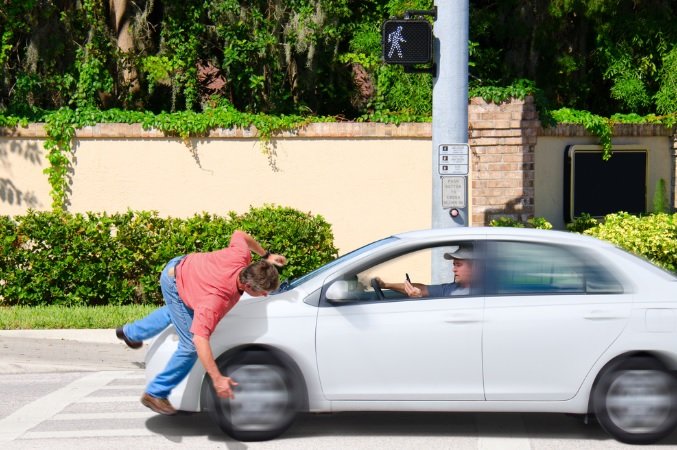
A hit-and-run accident can leave behind a difficult question: what happens after the driver disappears? The injured person may have medical bills, vehicle damage, lost income, and no clear way to contact the person who caused the crash. The missing driver can make the claim harder, but it does not always end every possible path to recovery.
A hit-and-run injury attorney may review the available facts, evidence, and insurance coverage connected to the accident. Police reports, witnesses, video footage, and insurance records may all become important. Here are the possible outcomes, insurance options, and challenges that may follow.
Possible Outcomes After the Driver Flees
The Driver May Be Found
A driver who leaves the scene may later be identified through police work or information from witnesses. Nearby security cameras, traffic cameras, dashcam recordings, vehicle damage, and license plate details may help investigators connect a person to the accident.
If the driver is found, the situation may involve the driver’s insurance coverage and other legal issues connected to the crash. The available options can depend on the evidence, the injuries, and the specific facts surrounding the accident.
A police report can become an important record because it may contain information about the scene, statements, vehicle descriptions, and the investigation. Reporting the crash as soon as possible can help create an official record of what occurred.
The Driver May Never Be Identified
Some hit-and-run drivers are never located. This can leave an injured person without a known driver to contact or a clear insurance policy connected to the vehicle.
That does not automatically mean the injured person has no possible insurance options. Depending on the policy and the facts of the accident, uninsured motorist coverage may become relevant. The terms of the policy and applicable rules can affect how a claim is reviewed.
How Insurance May Respond to a Hit-and-Run
Uninsured Motorist Coverage May Matter
A hit-and-run driver may be treated as an uninsured motorist for certain insurance purposes. A person’s own insurance policy may include coverage that can apply to injuries caused by a driver who cannot be identified.
However, insurance policies are not all the same. Coverage limits, reporting requirements, proof requirements, and other terms may affect the claim. Reviewing the specific policy can help show what coverage may be available.
A person dealing with serious injuries may choose to speak with a hit-and-run injury attorney about the facts of the accident and the insurance coverage involved.
The Evidence Still Matters
Insurance companies may review evidence before deciding how to handle a claim. Police records, medical documents, photographs, witness information, and video footage can all help establish that a hit-and-run accident occurred.
The injured person may also need records showing the losses connected to the crash. Medical bills, treatment records, repair estimates, and proof of missed work can help document the financial effects of the accident.
Challenges That Can Make These Claims Difficult
Identifying the Driver Can Take Time
The biggest challenge may be the missing driver. Without a name, insurance information, or vehicle details, it can be harder to connect the accident to a specific person.
Witnesses may remember only part of the vehicle description. Security footage may be unclear or unavailable. A license plate number may be incomplete. These gaps can make the investigation more difficult.
Proving the Accident and Injuries
A hit-and-run claim may also require clear proof that the accident caused the injuries being claimed. Medical records can help document treatment, diagnoses, and the connection between the crash and the physical harm.
Photos of the accident scene and vehicle damage may provide additional support. Keeping these records organized can help preserve important details.
Insurance Companies May Review Claims Closely
Insurance companies may examine the available evidence and policy terms before deciding whether coverage applies. They may request documents, ask questions about the accident, and review medical treatment.
The insurance claim process can become more complicated if the driver is unknown or if there is limited evidence about how the crash happened. Careful documentation can help provide a clearer record of the accident and its effects.
Steps That May Help Preserve Important Information
After a hit-and-run accident, injured people should focus on reporting the crash and documenting available information. Useful records may include:
- The police report and incident number
- Photos of the scene, vehicle damage, and injuries
- Names and contact details for witnesses
- Medical records and treatment bills
- Repair estimates and other accident-related expenses
- Insurance policy information and claim communications
The sooner important information is saved, the less likely it is to be forgotten or lost. Video footage may also be erased, so information about nearby cameras may be worth reporting to investigators.
Finding a Clearer Path After a Hit-and-Run
A fleeing driver can make an injury claim more complicated, but the driver’s absence does not always answer every insurance question. The outcome may depend on whether the driver is found, what evidence is available, and whether uninsured motorist coverage or another policy may apply.
An attorney can review the specific facts, available records, and insurance documents involved in a claim. Police reports, witness accounts, medical records, photographs, and financial documents may all help build a clearer picture. Each case is different, but careful documentation can give injured people better information as they consider their available options after a driver leaves the scene.