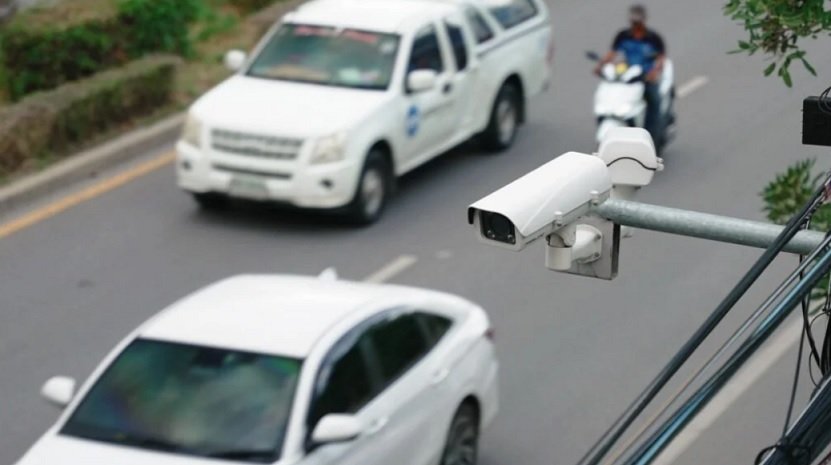
Traffic cameras are often treated like silent witnesses that never forget. People assume the intersection saw everything, recorded everything, and saved everything. The surprise comes later, after someone asks for the footage and discovers that the camera pointed the wrong way, stored only a few days of video, or missed the crash entirely. A missing recording can change expectations very quickly.
The conversation shifts from replaying the collision to rebuilding it piece by piece. That is one reason discussions involving an auto accident lawyer sometimes begin with footage that never existed in the first place and questions that remain unanswered.
The Missing Seconds That Change the Whole Picture
A car accident can happen in only a few seconds. A lane change, a sudden stop, or a turn across traffic may take less time than a person needs to finish a sentence.
Those few seconds often become the center of the investigation. People expect cameras to provide the answers because video feels objective and complete.
The problem is that cameras do not always capture the exact moment that matters most. Missing footage can leave investigators trying to understand important events without seeing them directly.
The absence of video does not remove the need for answers. It simply changes how those answers are found.
Why Traffic Cameras Do Not Always Capture Everything
Traffic camera systems serve many purposes, but recording every detail of every collision is not always one of them.
Blind Spots Around Intersections
Cameras often focus on traffic flow rather than specific vehicles. A crash may happen just outside the visible area even though the camera is only a short distance away.
A few feet can separate a recorded event from one that happened completely out of view.
Cameras Facing the Wrong Direction
Intersections involve several directions of travel at once. A camera monitoring one approach may miss what happened on another side of the roadway.
Drivers may assume the camera saw the collision simply because the equipment was visible nearby.
Broken, Delayed, or Poor Quality Footage
Some systems experience technical issues, maintenance problems, or storage limits. Poor image quality can make it difficult to identify signals, vehicles, or movements clearly.
Sometimes the footage exists but does not answer the question everyone hoped it would answer.
What Investigators Use When Video Is Incomplete
A missing recording changes the process, but it does not stop the investigation.
Vehicle Damage and Road Marks
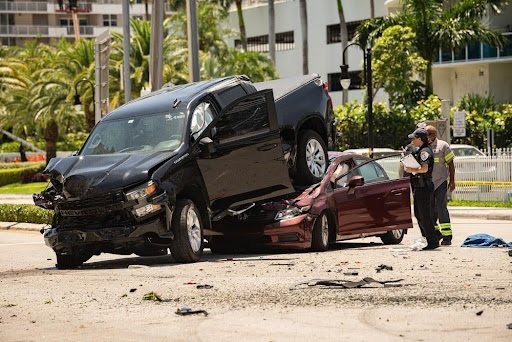
Damage patterns often reveal the angle of impact and the movement of vehicles before the collision. Tire marks, debris, and final resting positions can provide additional clues.
The roadway often preserves information long after the crash itself has ended.
Witness Statements and Driver Accounts
Witnesses may notice details that cameras miss entirely. The timing of a traffic signal, the speed of a vehicle, or the sound of braking may stay with someone who saw the event unfold.
Different perspectives can help fill the spaces left by missing video.
Dashcams, Store Cameras, and Phone Records
Nearby businesses, private vehicles, and personal devices sometimes capture information that public cameras miss. A complete timeline is often built from several smaller pieces rather than one perfect recording.
How Missing Footage Can Create Conflicting Crash Stories
Video has a way of ending arguments quickly. Without it, people often remember events differently.
One driver may believe the light was green while another remembers exactly the opposite. Witnesses standing in different locations may focus on different details.
These differences do not automatically mean someone is dishonest. Human memory works differently from a camera lens and often changes as time passes. The challenge becomes finding the facts that remain consistent across every version of events.
Why Camera Gaps Do Not End an Investigation
Investigations existed long before traffic cameras became common. Police officers, reconstruction experts, engineers, and investigators have always relied on physical evidence and timelines to understand collisions.
Technology can help answer questions, but it is rarely the only source of information available. A missing recording may create more work, but it does not create an impossible situation.
The Value of Building a Timeline From Several Sources
Strong investigations often resemble puzzles more than movies. One piece comes from witness accounts. Another comes from photographs. Additional details arrive from damage patterns, records, and measurements.
Individually, those pieces may seem incomplete. Together, they often tell a clear story about what happened and why it happened.
Closing Thoughts
Traffic cameras create confidence because they seem permanent, reliable, and always watching. Reality is often more complicated. Cameras miss angles, lose footage, and sometimes fail to record the very seconds everyone wants to see most. Accident investigations continue moving forward anyway by relying on evidence from many different places.
That is why an auto accident lawyer may spend as much time collecting smaller details as searching for video footage, because missing images rarely mean the truth disappeared with them.