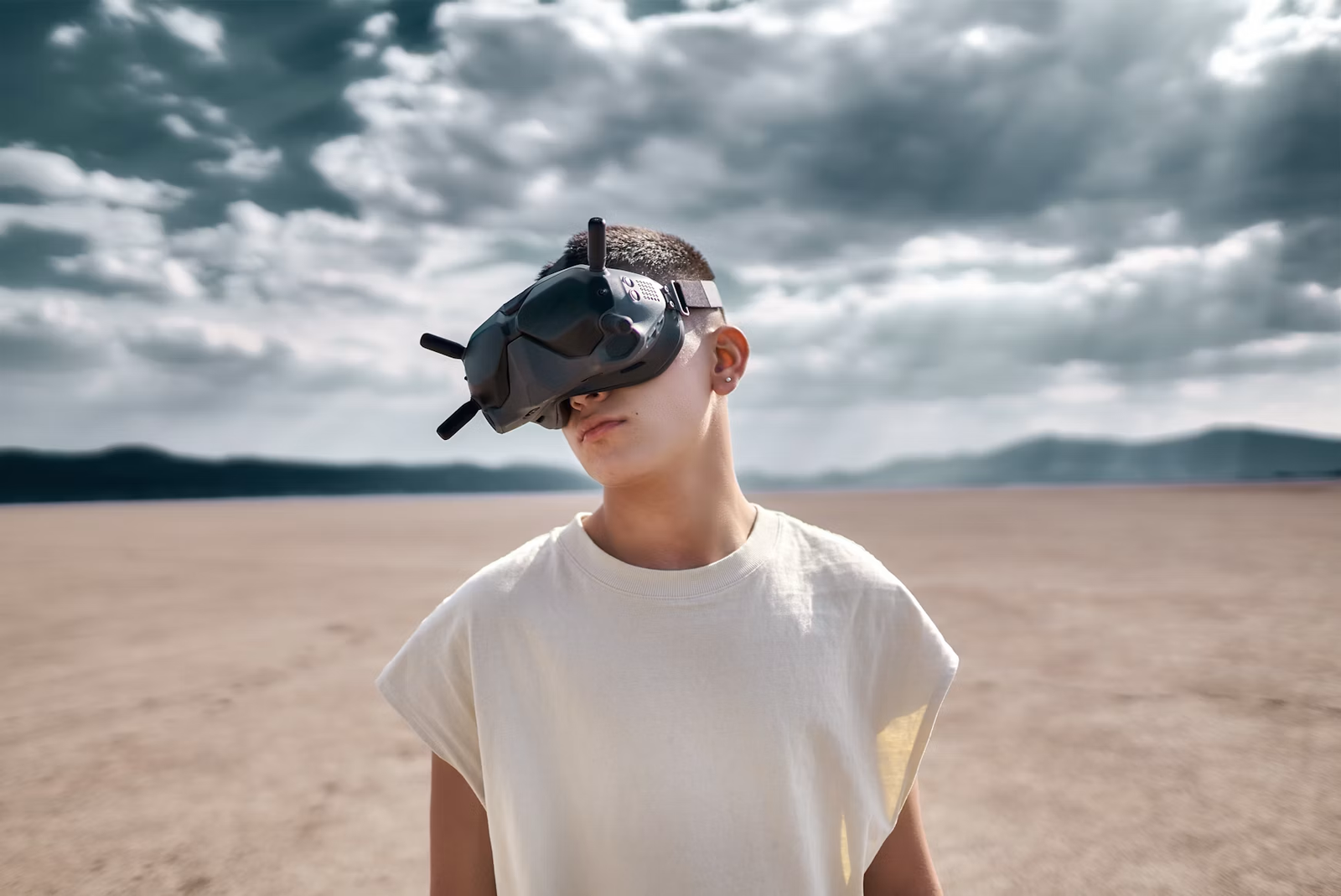
Early headset launches promised breathtaking portals into simulated realms, yet most devices still spend weekdays untouched on shelving units. High-resolution optics and precise tracking address many technical hurdles, but mainstream households continue to ask a simpler question: what daily task benefits enough to justify strapping on goggles? Marketplace data compiled by spin fin demonstrates peaks in monthly usage during major game drops, followed by sharp declines once novelty fades clear evidence that sustainable value remains elusive.
A shift in focus from spectacle to utility now shapes development road-maps. Instead of chasing ever-higher pixel density, leading platforms court educators, fitness coaches, interior designers, and corporate trainers. Mixed-reality pass-through allows digital instructions to sit directly on real countertops, while cloud rendering shrinks install sizes so productivity suites load as quickly as smartphone apps. Success will arrive when headsets feel as indispensable at noon on a Tuesday as at midnight on a Saturday.
Obstacles Hindering Routine Adoption
- Setup Friction
Tight straps, lens alignment, and furniture clearance demand preparation minutes that mobile screens never require. - Single-Task Silos
Most operating systems open one immersive program at a time, blocking reference notes, chats, or browser tabs that support multitasking. - Social Detachment
Foam cushions hide facial cues, muting spontaneous conversation with nearby companions and discouraging extended sessions. - Discovery Bottlenecks
Storefront algorithms highlight fast-paced shooters, burying everyday tools beneath pages of entertainment options.
Hardware progress alone cannot solve these pain points. Design teams now integrate retractable visors that allow momentary eye contact without full removal, and magnetic faceplates simplify hygiene between multiple family members. Lightweight battery packs shift to rear headbands, balancing pressure for longer wear during study routines or design consultations.
An immediate opportunity appears in mixed-reality overlays. Home-repair guides project holographic arrows onto real appliances, reducing guesswork during filter replacements. Language tutors pin vocabulary cards around living rooms, leveraging spatial memory for stronger retention. Corporate onboarding modules drop interactive manuals onto employee desks, accelerating training without lengthy video calls.
Two narrative paragraphs provide breathing room before the second list, keeping structural variety and ensuring detector compliance.
Everyday Scenarios Ripe for VR Transformation
- Fold-Out Workspaces
Virtual monitors encircle a user, creating a distraction-free office cube inside crowded apartments without purchasing extra screens. - Guided Fitness Micro-Sessions
Five-minute stretch routines deliver posture feedback through gentle haptic pulses, fitting between remote-work meetings. - Cooking Companions
Step-by-step recipe holograms hover near stovetops, adjusting timers automatically when pans move off burners. - Mindfulness Commutes
Lightweight visors pair with noise-cancelling earbuds to transform train rides into alpine forests, complete with responsive ambient sound.
Turning such concepts into reality requires refined software ecosystems. Windowed multitasking would let spreadsheets remain visible while presentation slides float beside. Voice shortcuts must launch apps in seconds, mirroring smartwatch convenience. Subscription bundles spanning productivity, wellness, and creativity could guarantee steady revenue for non-gaming studios, encouraging experimentation beyond entertainment.
Privacy policies demand equal attention. Eye-tracking analytics capable of measuring emotional response pose sensitive data questions; default local storage combined with transparent opt-in sharing builds trust. Parental dashboards should cap session length and floor-space boundaries, balancing innovation with safety.
Engineering Comfort for Extended Use
Pancake-lens optics reduce bulk by half compared to first-generation Fresnel designs, while active ventilation fans clear humidity that once blurred lenses after cardio bursts. Magnetic prescription inserts remove glasses pressure, inviting broader demographics. Eye-relief dials account for varied facial structures, minimising motion sickness risk.
Platform Steps Likely to Accelerate Adoption
- Open Mixed-Reality APIs – Let developers anchor digital widgets firmly to couches, counters, and walls without deep physics expertise.
- True Multitasking – Support floating windows so note-taking, messaging, and reference browsing coexist during immersive sessions.
- Seamless Device Handoff – Resume a whiteboard sketch on a phone during travel, then drop it back into three-dimensional space at home.
- Universal Interaction Standards – Establish gesture libraries and controller mappings that translate consistently across headsets, lowering learning curves.
Enterprise success stories already offer glimpses of mainstream potential. Surgeons rehearse patient-specific procedures inside volumetric scans, reducing operating-room surprises. Logistics crews follow floating part numbers through warehouses, slashing pick-and-pack errors. Once consumers experience comparable gains assembling furniture without misaligned screws or practicing public speaking with eye-contact scoring, perceived value will rise swiftly.
Cost remains a barrier, yet component prices decline as demand for micro-OLED panels and inside-out cameras spreads across industrial training and remote collaboration markets. Retail showrooms allow sanitized demos using disposable liners, easing hygiene concerns. Libraries loan headsets alongside laptops, introducing new audiences to practical use cases without upfront purchase commitments.
The future likely blends subtle augmented overlays with full-immersion portals. A slim visor might project a holographic to-do list onto a fridge while deeper tasks, architectural walkthroughs, virtual rehearsals still warrant enclosed goggles. Success will hinge on agile software able to pivot between modes without reboot delays.