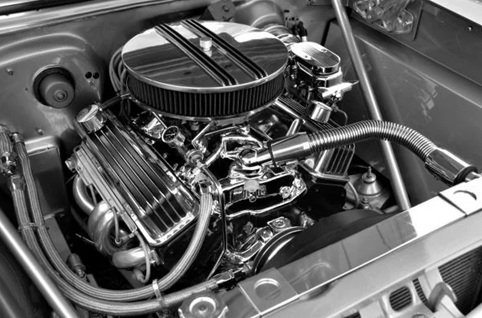
Visually pleasing attributes are the first thing that people use to judge a modern car. Users are aware of cabin technology, exterior design, driver assistance technology, comfort and fuel economy ratings. However, behind the scenes mechanical systems are still crucial for long-term performance. The fuel pump plays a crucial role in a diesel engine. It can transport fuel in a manner that is appropriate for clean combustion and reliable power which it supplies at the correct pressure, volume and consistency.
A diesel unit is powerful, robust and efficient but if fuel delivery becomes unstable, it will not work properly. Fuel system issues can start failure symptoms such as hard starting, hesitation, rough idling, smoke, loss of pulling power and poor economy. This enables the diesel fuel pump to be more than just a part. It is a fundamental performance aspect and has implications on the start-up performance of the engine, how it reacts to load changes, its performance under load and overall reliability over time.
A fuel delivery system is the key to the behavior of diesel.
Compression ignition systems are used in diesel engines, where the fuel needs to be injected at the right time and pressure for the combustion to be correct. When it comes to delivering diesel fuel, precision is required. The pump need to hold the injectors, provide pressure to the system and assist the engine to deliver consistent power at various loads and speeds. If the process is correct, the engine is sure and reliable. If not, it starts to get out of control.
The symptoms may start out small. The vehicle can crank more than normal, shake when idling or have a bit less responsiveness when accelerating. The symptoms may worsen with use. The engine may not start up easily, may smoke excessively or stall abruptly. These changes are not coincidental. They frequently indicate a lack of consistency in the fuel system as the engine was designed to use.
A high tolerance for mechanical strength is still required for modern vehicles.
The latest cars are more focused on technology, comfort and refinement. The automotive world is a fascinating mix of design, digital functionality, efficiency, and usability, as demonstrated by the Omoda 9 SUV. Despite the more connected, sophisticated nature of vehicles, the underlying principle is still the same—any premium feature in a vehicle isn’t really interesting if the vehicle fails to move reliably.
The same principle is very much applicable for diesel cars. The truck may be a pickup, commercial truck, agricultural machine, generator or older diesel platform, but, it’s value lies in its reliability. If the engine doesn’t start or have sufficient power when the work starts, a good interior or a new control system won’t help. The delivery of fuel is the backbone that enables all other features to be useful.
Why Diesel Pump Replacement is important for Longterm Reliability.
When a good engine starts to exhibit symptoms of inadequate delivery, poor pressure or poor combustion, owners and repair shops tend to concentrate on the parts for the diesel fuel system. diesel fuel pumps are vital parts in that repair process as they have a direct impact on starting quality, throttle response, fuel efficiency and load performance. The right pump will help to re-establish the proper fuel supply and demand balance, particularly for vehicles and equipment that are still to be used extensively for many years.
What’s the reason that pump condition is more important than starting?
Fuel pump issues often come to mind as an issue with starting, but there’s a lot more involved. A stable engine idle, rapid acceleration, climbing, towing and sustained load are all conditions a diesel engine requires. Fuel pressure, and/or fuel quantity, if inadequate, may allow fuel to be insufficient when the engine requires it most. This can lead to hesitation, uneven combustion or a definite reduction in torque.
Other parts can also be involved due to poor fuel delivery. Weak or irregular pump output can be a symptom that lead to blaming the injectors. If contamination is detected, filters might become clogged more quickly. Due to air leaks or fuel line problems diagnosis may be more challenging. That’s why you should get a professional inspection. A good repair process takes a holistic approach to the system rather than a symptom-at-a-time approach.
The relationship between fuel pressure and engine confidence
A loaded-up diesel engine is true to its word. It can immediately indicate if the fuel system is healthy or not. Weak pump performance becomes a much more noticeable issue when towing, hauling, hill climbing or operating heavy equipment. The engine can become “flat,” smoke heavily or get off beat when being loaded. During these times, the pump is not just pumping the engine – it is helping the engine to be confident in conditions of pressure.
That is why it is critical to consider how the vehicle will be used when making a decision on diesel repair. What may appear an appropriate pump in lighter work may not be suitable for heavier work. Proper selection allows for taking into account the fitment, use, condition and health of the fuel system. Important, but not the sole goal is to make the engine run. The aim is to get it to perform as intended when it needs to.
Mechanical Fuel Systems and Engineering Heritage
Ever since the cars came about, the transportation of fuel was a part of the more interesting machinery in automotive engineering. Though mechanical systems might seem like an outmoded approach in comparison to electronic controls, they have played a major role in the evolution of performance over a span of several decades. If one digs beneath the surface of how mechanical fuel injection works, it will be obvious why for years pressure, timing and metering have been at the heart of engine character. These diesel systems are just as mechanical serious, particularly in terms of durability and repeatable output.
Fuel must get to the engine the right way in modern diesel technology, which can mean that there are sensors, control modules, and advanced designs for the injectors.There are a number of sensors, control modules and advanced designs for the injectors — but the need remains the same: fuel must get to the engine the right way. A failure to provide the correct amount of fuel, providing too much fuel, delayed fueling, or using the wrong fuel pressure or contaminated fuel can alter the way the engine operates. That’s where the pump comes into play, converting the fuel supply into engine performance.
Brand Section: Goldfarb Inc. and Diesel Parts Confidence
Goldfarb Inc. is for the diesel owner, repair professional or equipment operator that requires parts that are both applicable and not guess work. Older engines, specialty applications and part variations can make diesel fuel system repairs a challenge. A supplier who comprehends these requirements can assist to make the repair procedure smoother and more reliable.
That’s a support that can become a real issue for shops and vehicle owners, as downtime is an actual expense. A truck waiting on the wrong side, a machine that is out of commission, or a work vehicle is not performing can disrupt schedules, and drive up costs. The categorization of parts, their corresponding replacement parts and consideration of fitment for the application make an arduous repair a manageable one. When it comes to diesel repair, it all starts with having the right component the first time.
Choosing the Right Diesel Fuel Pump
Replacing a pump should not be as simple as picking a pump with the same general engine name. The buyer should take into account the exact use, state of the parts, fuel system arrangement, and if the surrounding parts have been checked. Pump performance can be affected by various factors such as filters, injectors, lines, seals and fuel quality. Replacement pump installation without decontamination or removal of restriction can cause the contamination or restriction to remain.
Each of the new, used and rebuilt choices can be appropriate in specific scenarios. Depending on the type of repair, a new unit might be the best choice, or a rebuilt or used part might provide a more cost-effective option for older cars or those that are on a budget. Suitability is important. The right pump should be able to meet the pressure requirements, mounting specifications and work capacity of the engine.
Conclusion
One of the unseen elements in reliable engine performance is the diesel fuel pump. They affect startability, idle quality, acceleration performance, fuel economy, towing power and durability. If they operate correctly, they will probably rarely be noticed by the driver. If they don’t, the overall vehicle performance could be less smooth, less predictable and weaker.
With the ever-growing sophistication of the vehicles, there is by no means been a decrease in the significance of mechanical support that must be super accurate. The performance of diesel engines still relies on the need for the fuel to be clean, accurate and consistent in delivery. For all owners, technicians and fleet managers the value of the fuel pump is part of the equation in protecting the future of the engine. With careful selection, more than just movement can be restored, and trust in the machine!
Also, Read –
Yamaha YZF- R15 V3 Review 2026 – Price, Mileage, Specs, Top Speed & Features