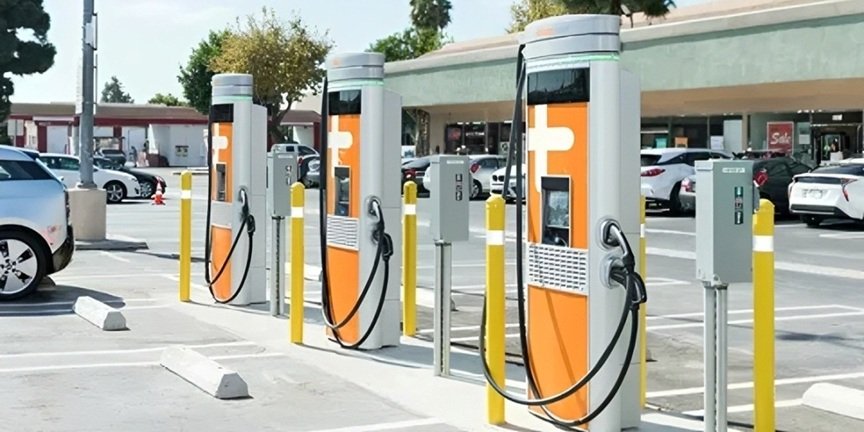
Electric vehicles are changing the way people commute, shop, travel, and do business. As more drivers make the switch to electric cars, the demand for convenient charging stations is growing across office buildings, shopping centres, hotels, apartment complexes, and other commercial properties. For property owners and business operators, this shift presents an opportunity to meet changing expectations while preparing their facilities for the years ahead.
Installing EV charging solutions is becoming an important consideration in commercial property planning. Employees may want to charge their vehicles during working hours, shoppers appreciate having charging facilities while visiting stores, and tenants may prefer buildings that support electric vehicle ownership. Businesses that respond to these needs can make their properties more convenient and appealing to the people who use them.
However, installing charging stations requires more than choosing equipment and connecting it to a power supply. Property owners must consider electrical capacity, charging speed, energy costs, installation requirements, and future demand. As charging technology advances, these decisions will play an even greater role in how commercial properties operate.
How EV Charging Technology Is Changing
Commercial EV charging has moved beyond basic charging points. Modern systems can offer remote monitoring, digital payment options, access controls, and energy management features that help property managers oversee their charging networks.
The right setup depends on how people use a property. An office building may need chargers that support employees who park for most of the day, while a shopping centre may require a combination of charging speeds to serve customers with different schedules. Hotels, fleet facilities, and highway service locations may benefit from faster charging options because drivers often need to get back on the road sooner.
Smart charging platforms can also help property managers monitor equipment performance, track electricity use, and identify faults before they cause longer service interruptions. These features make charging infrastructure easier to manage and help businesses make informed decisions about future upgrades.
As the market develops, flexibility will become increasingly important. Commercial properties need charging systems that meet current requirements without making future expansion unnecessarily expensive.
The Role of a Level 3 Charger in Commercial Settings
Charging speed is one of the main factors to consider when planning an EV charging installation. A Level 3 Charger, commonly known as a DC fast charger, can charge compatible electric vehicles much faster than conventional Level 1 and Level 2 charging equipment.
This makes it a useful option for locations where drivers have limited time to recharge. Busy retail centres, fleet depots, highway service areas, and commercial sites with frequent vehicle turnover may benefit from faster charging because vehicles can receive a meaningful charge during shorter visits.
However, a Level 3 Charger is not the best choice for every commercial property. These units typically cost more to purchase and install, and they can require substantial electrical capacity. Their actual charging speeds also depend on the vehicle’s battery, its maximum charging rate, the battery’s current charge level, and the power available from the charging station.
Property owners should assess parking patterns and expected demand before selecting equipment. For example, a workplace where employees remain parked for eight hours may achieve its goals with Level 2 chargers, while a busy service location may need DC fast charging to support drivers who cannot wait as long. Matching the technology to real usage can help control costs and improve the charging experience.
Smart Charging Can Help Control Energy Costs
Electricity costs are a key part of the long-term financial picture for commercial EV charging. When several vehicles charge at the same time, demand can rise significantly, particularly in buildings that already use large amounts of electricity for lighting, heating, cooling, and other operations.
Smart charging helps manage this demand by adjusting when vehicles charge and how much power they receive. Depending on the system, charging schedules can account for electricity rates, building demand, vehicle requirements, and available electrical capacity.
Dynamic load management is another useful feature. Rather than allowing every connected charger to draw maximum power simultaneously, the system distributes the available capacity across the charging network. This may allow a property to support more charging points without immediately requiring a major electrical upgrade.
These controls can be especially valuable for offices, residential developments, and commercial buildings with limited spare capacity. Property managers should still assess their electrical infrastructure carefully, as software cannot replace necessary upgrades when the existing supply is insufficient.
Integrating EV Charging With Renewable Energy
Sustainability is influencing decisions across the commercial property sector. Businesses and property developers are paying closer attention to energy use, operating costs, and the environmental impact of their buildings. EV charging can support these efforts when it forms part of a wider energy management strategy.
Commercial properties with solar panels may be able to use some of their generated electricity to charge vehicles. Battery storage can provide additional flexibility by storing energy for use when solar generation is low or charging demand increases. The benefits depend on local electricity rates, system costs, available space, and the property’s energy consumption patterns.
Smart energy management systems can help coordinate charging with renewable energy generation. For instance, a building may schedule some vehicle charging during periods of strong solar output, provided vehicles can remain connected and the system has enough capacity.
These projects require careful financial and technical planning. Property owners should consider installation costs, maintenance needs, energy tariffs, and expected usage before investing in renewable energy integration.
Improving the Experience for Tenants, Customers, and Employees
EV charging Solutions can make a commercial property more convenient for the people who visit, work in, or live within it. Employees may appreciate charging at work, customers may value the option to recharge while shopping, and hotel guests may prefer facilities that support their electric vehicles.
For property managers, convenience should be a priority from the beginning. Clear signs, well-positioned charging points, accessible parking, straightforward payment methods, and accurate information about charger availability can make charging easier to use.
Reliability also matters. A charging station that is frequently unavailable can create frustration, even if it offers impressive charging speeds. Remote monitoring, regular maintenance, and responsive technical support can help keep equipment operational.
While charging facilities do not automatically guarantee higher occupancy or increased sales, they can provide a useful service that reflects changing customer expectations. When planned around actual demand, EV charging can become a practical addition to a property’s overall offering.
Preparing Commercial Properties for Future Demand
One of the biggest challenges in EV infrastructure planning is deciding how many chargers a property needs. Installing too few may lead to queues and limited access, while installing too many at once can increase upfront costs before sufficient demand exists.
A careful assessment should consider the number of parking spaces, expected EV adoption, vehicle turnover, average parking duration, and the needs of employees, tenants, visitors, or fleet operators. Property owners should also review their existing electrical supply and determine whether additional capacity will be needed.
Planning for expansion can make a significant difference. Installing suitable conduits, allocating space for additional charging points, and selecting equipment that supports future upgrades can reduce disruption when demand grows. A phased installation may allow a business to begin with a manageable number of chargers and expand based on usage data.
Local building codes, utility requirements, accessibility standards, and available incentives should also be reviewed before work begins. Working with qualified electrical professionals can help property owners understand these requirements and develop a practical installation plan.
What the Future Holds for Commercial EV Charging
The next stage of commercial EV charging will involve more than faster chargers. Connected charging networks, improved payment systems, smart energy controls, and integration with renewable power will influence how properties manage their infrastructure.
Vehicle-to-building technology may also create new opportunities. With compatible vehicles and equipment, stored battery energy could potentially support certain building needs during specific periods. However, these systems depend on technical compatibility, local regulations, suitable energy arrangements, and careful planning.
For most commercial property owners, the immediate priority should be building a reliable foundation. Choosing appropriate charger types, managing electricity demand, maintaining equipment, and preparing for future expansion can help businesses respond to changing transport needs without making unnecessary investments.
Conclusion
EV charging is becoming an important part of commercial property planning. As electric vehicle ownership grows, businesses will need to consider how charging facilities fit into their buildings, energy systems, budgets, and customer services.
The best approach is not always to install the fastest or most expensive equipment. It is to choose technology that matches the property’s needs today while allowing room for future growth. With thoughtful planning, commercial property owners can create a charging network that supports drivers, manages energy use, and keeps their facilities ready for a changing transport landscape.
Eagle 1 Solutions recognises the growing importance of practical, future-ready infrastructure for commercial properties. As businesses consider the next steps in their EV charging plans, understanding available technologies, electrical requirements, and long-term energy needs can help them make more informed decisions. By focusing on the right solutions for each property’s requirements, commercial operators can prepare for the continued growth of electric vehicles and the changing expectations of tenants, customers, and employees.