Texas has been adding residents faster than almost any other state for years now, and that growth is starting to show up everywhere, from new subdivisions on the edge of major cities to longer waits at familiar intersections. Roads, highways, and transit systems built for an earlier Texas are now carrying a much bigger load.
This kind of growth touches daily life in ways that go beyond commute times. It shapes how much road infrastructure costs to maintain, how congested certain corridors become, and even how residents think about Texas cheap car insurance options as more vehicles share the same stretches of highway.
Here’s a closer look at what’s driving this growth and how it’s reshaping transportation across the state.
Texas Is Growing Faster Than Most of the Country
The numbers behind this growth are significant. Texas reached a population of 31.7 million people in July 2025, a 1.2 percent increase from the year before. That growth rate is more than double the national average, according to U.S. Census Bureau data.
This isn’t a short term spike either. Texas has added millions of residents over the past several years, and demographers expect that trend to continue well into the coming decades.
Growth Is Concentrated in a Few Key Regions
Most of this population increase is landing in a handful of metro areas rather than spreading evenly across the state. Dallas Fort Worth, Houston, Austin, and San Antonio, often referred to together as the Texas Triangle, account for the bulk of new residents each year.
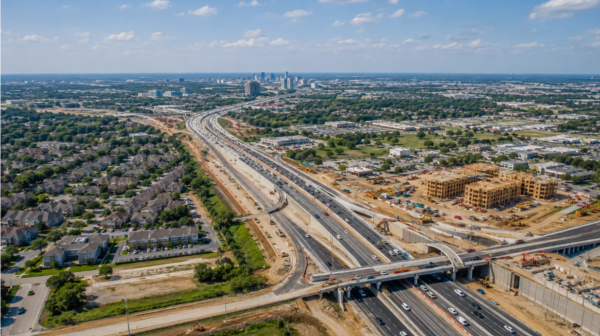
This concentration creates a specific kind of pressure. Roads and highways connecting these metros, along with the local streets within them, are absorbing most of the new traffic, while many rural parts of the state see far less change to their existing infrastructure.
More Residents Means More Vehicles on Existing Roads
Population growth doesn’t just mean more people living in Texas. It means more cars commuting, more freight moving between cities, and more daily trips overall. Total vehicle miles traveled across the state have climbed steadily as the population has grown, putting more wear on roads that were designed for lighter traffic decades ago.
In fast growing suburbs especially, new development often arrives before road upgrades catch up, which can mean a stretch of months or years where local streets and intersections feel overwhelmed relative to how much traffic they were originally built to handle.
Planning for a Much Bigger Texas
State transportation officials are aware of this pressure and have been actively planning around it. The Texas Department of Transportation has outlined long range strategies built around demographic projections showing a roughly 40 percent population increase between 2020 and 2050, a scale of growth that requires significant new investment across highways, transit, and freight corridors.
That kind of planning takes decades to fully execute, which means many of the upgrades needed today won’t be finished for years. In the meantime, drivers in fast growing areas are likely to keep experiencing congestion that outpaces the infrastructure meant to handle it.
More Traffic Brings More Risk on the Road
Heavier congestion isn’t just an inconvenience. It also raises the odds of accidents, particularly in areas where new development has outpaced intersection upgrades or where merging patterns haven’t been redesigned to handle higher volumes. Fender benders, rear end collisions, and delays from minor crashes tend to increase in lockstep with traffic volume.
This is part of why drivers in fast growing Texas metros often notice their auto insurance costs reflecting local conditions rather than just their personal driving record. Areas with denser traffic and more frequent claims tend to see that risk priced into coverage over time.
Rising Costs Touch More Than Just Roads
Population growth puts upward pressure on more than just infrastructure budgets. Housing costs, local services, and the overall cost of driving in these fast growing areas tend to rise together. For some drivers, this means looking more closely at where they can manage costs without cutting necessary coverage.
Credit history is one factor worth understanding in this context. Insurers in Texas often weigh credit scores when setting premiums, which means two drivers with similar records can see different rates. If your credit isn’t where you’d like it to be, it can help to know how to find cheap car insurance for bad credit, especially while navigating the broader cost pressures that come with living in a rapidly growing region.
What This Growth Means for Everyday Drivers
For most Texans, this growth shows up in small, cumulative ways rather than one dramatic shift. Commutes stretch a little longer. Familiar roads feel busier than they used to. New development changes traffic patterns that had been stable for years.
Staying aware of these shifts, particularly in fast growing metro areas, can help drivers plan realistic commute times, anticipate construction delays, and understand why driving conditions in their city might be changing even when their own habits haven’t. As Texas continues to grow, transportation planning will keep playing catch up, and drivers who stay informed about local conditions tend to navigate that transition more smoothly than those caught off guard by it.