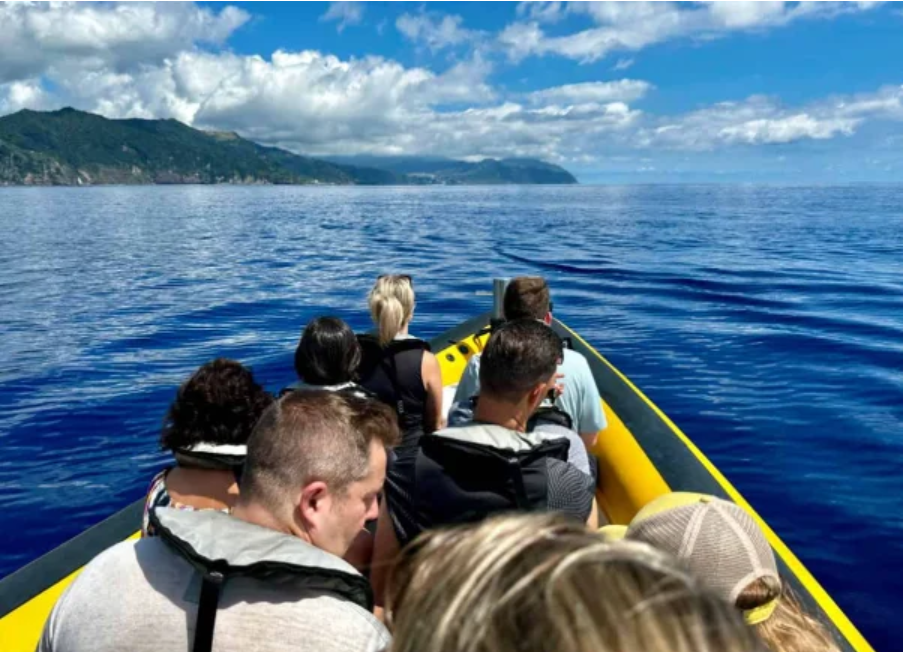
It is thrilling to plan your first long-distance boat adventure, yet it will also need detailed preparation, reasonable decision-making, and the ability to know what will happen. Whether you are cruising along a coastline, or up and down rivers, or heading out to sea, it can be the difference between a great adventure and a stressful adventure and how effective your planning is.
Establish Your Mission and Path.
Begin by stipulating your direction and aim. Determine what type of experience you desire, and whether it should be a relaxing, discovery, or challenge. The path you choose must be according to your level of skill and your boat. Novices must not take overambitious or distant courses but follow well-used waterways, where there are convenient marinas and emergency facilities. Research graphs, climatic trends, and time of year conditions in your locality of interest. The key before taking off is to understand the tides, currents, and other possible danger.
Prepare Your Boat
Then prepare your boat to go on board. A long journey strains your ship or boat more than short excursions and a complete check-up is indispensable. Test the Boat Parts like engine, fuel system, electrical, navigation and safety equipment. Make sure that you will have sufficient capacity of the long legs of the trip, plus the allowance of the unexpected hold-ups. Unless your boat is already in great use then a professional service is worth considering before you set off. It is better to get troubles at the dock than at the sea.
Concentrate on Safety Planning.
The top priority should be the safety planning. In your boat, make sure you have life jackets, flares, fire extinguishers, first aid kit, and a handy communication system such as a VHF radio or a satellite phone. Also, tell another person on land about your travel plan- your route, your planned stops and your approximate arrival time. This is an easy action that may save lives in case of an emergency. Boating is a new activity; you might want to have a navigation or safety course before you go.
Pack Smartly
Another important factor is to pack wisely. There is limited space on a boat, so be selective. Have enough food and water to last the whole trip, and have more in an emergency. Select food products which are non-perishable and those that are easy to prepare. Dressing ought to be practical and in layers because the weather conditions are prone to sudden changes on the water. Don’t leave out sun protection, hats, sunglasses and sunscreen are necessities. Meanwhile, do not overpack, having too much weight may influence the performance of your boat.
Monitor Weather Conditions
Weather knowledge is what can make or break your trip. Always verify forecasts prior to departure and check them regularly, along the way. Even a good cruise may turn out to be dangerous due to sudden storms or strong winds. Understand how to interpret weather signs and have an emergency shelter. Flexibility- it is a good thing to be flexible- sometimes the best bet is to postpone or switch directions.
Master Basic Navigation
Long distance boating involves navigation skills. You ought to know some basic navigation methods even with GPS and advanced electronics. Bring hardcopy charts to use in case your electronics malfunction. Get to know the markers, buoys and maritime signs on your route. In the difficult times, it can be a life-saver to know how to plot your position and how to adjust your course using manual means.
Plan Fuel Management
It is sometimes forgotten that fuel management is important. You need to plan your fuel stops ahead of time, and work out how much you will use depending on how efficient your boat is. Always have a backup in it–it will soon be unsafe to be out of fuel a long distance to sea. When traveling on a long distance route, make sure that fuel stations are in operation and are accessible.
Budget Your Trip
Budgeting is another crucial factor. The cost of fuel is not the only aspect of a long-distance boat adventure. Take into account marina charges, service, and food, emergency costs, and possible repair. A financial buffer will help make sure that you are not derailed by some unforeseen expenses. Anticipating will make you not stress unnecessarily and will enable you to concentrate on enjoying your journey.
Prepare Your Crew
Unless you are traveling solo, it is important that your crew is ready. All onboard ought to know general safety measures, equipment operation, and emergency information. Give out the easy responsibilities- one can help in navigation, one in anchoring, etc. Effective communication between the crew members facilitates a smoother and safer trip.
Practice Before You Go.
Test before taking a long journey. Make shorter trips to familiarize with your boat, perfect your packing list and gain confidence. These test runs will point out areas of weakness in your plan and will also provide you with an improved idea of how your boat performs in various circumstances. It is a great step that most beginners miss out on and mostly this results in unnecessary troubles in future.
Time Management.
Another important factor is time management. Never hurry your way. Book scheduled day-by-day distances realistically and build-in additional space to rest, sightsee or weather delays. Being too optimistic or too pessimistic may cause fatigue and poor judgment. The relaxed schedule will make the experience more enjoyable and safer.
Be Flexible and Adaptable.
Finally, adopt the attitude of flexibility. Whatever you may plan, things will never go as planned. The adventure includes mechanical problems, weather variations, or unforeseen challenges. Being composed, rational and ready to modify your plans will enable you to cope with the obstacles.
It is not only the destination that you are going to by the first long-distance boat trip but that journey, learning, and gaining confidence that the way. Through careful planning, safety consideration, and a good attitude, you will be able to make your trip a memorable and satisfying one.
Refresh Date: May 2, 2026