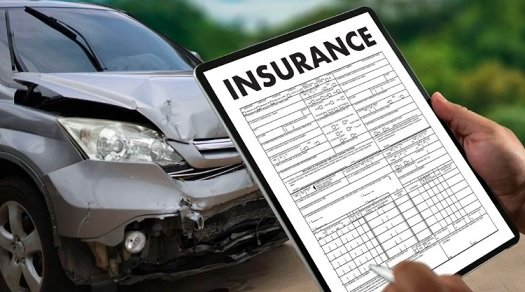
A road accident can leave you confused about what to do next, especially when it comes to car insurance. In the first few minutes, many people are unsure whom to call, what to document, or how to protect their claim. Missing small but important steps can create avoidable complications during the claim process.
In this blog, you will learn the step-by-step actions to take immediately after a car accident.
Ensure Immediate Safety First
Safety comes before photos, calls, or debates. Switch on hazard lights and check for injuries. Move people away from traffic and keep them steady. If the vehicle can be shifted safely, move it to the left to clear the road. If it cannot be moved, stay well away from the carriageway. Avoid arguments and do not admit fault at the scene.
Document Everything At the Scene
Clear evidence helps repairs and claim review move faster. Focus on facts that can be verified.
Collect:
- Photos of damage, number plates, and the wider road view
- Date, time, and a nearby landmark
- Names and phone numbers of drivers, plus witness details if available
- Store these safely and share only what is necessary for reporting.
Call the Police and Emergency Services
Police reporting supports an official record and helps manage traffic. Medical help should be arranged if anyone is injured or feels unwell. In India, dial 112 and request an ambulance when needed.
Share the location, how many vehicles are involved, and any hazards such as blocked lanes. When officers arrive, provide clear facts and ask how to access the report number or details, as these may be required for a claim.
Inform Your Insurance Company Immediately
Prompt intimation starts the claim on time and reduces confusion later. It also clarifies towing, inspection, and workshop requirements. When safe, call the insurer and share the policy number, registration number, accident location, and visible damage. Note the claim reference number and the documents requested.
Follow the insurer’s guidance on towing and survey timing, and keep all statements accurate and brief.
Choose a Cashless Network Garage
A cashless network garage can simplify approvals and billing. It also helps ensure repair steps match insurer requirements. Ask the insurer for nearby network options and towing support, if needed.
Share the claim reference with the garage and request a written job card listing visible damage. Keep receipts for towing and essential safety expenses. Avoid repair shortcuts that bypass insurer inspection steps.
Do Not Start Repairs Before Survey
Many claims need an inspection before major repairs begin. Early repair work can create questions about the damage. Wait for the surveyor visit or written approval before dismantling or replacing parts.
Temporary protection is fine if it prevents further loss. Keep damaged parts until the claim closes, and ensure the garage does not begin chargeable work without approval.
Understand Your Policy Coverage
Knowing the cover terms sets expectations on costs and timelines. Check what a comprehensive insurance includes for deductibles, depreciation, add-ons, and exclusions. Review the deductible and depreciation rules that affect claim payment.
Confirm whether towing and accessories are covered, and ensure the driving licence is valid for the vehicle class. If any term is unclear, request a simple explanation from the insurer.
Submit the Claim and Track Status Regularly
A complete submission reduces follow-ups and speeds up decisions. Regular tracking helps resolve issues early. Submit the claim form, RC, driving licence, photos, and police documents if asked.
Share the garage estimate and keep copies of receipts. Reply quickly to queries and confirm approvals before repairs exceed the estimate. Track the claim using the reference number until the file is closed.
Conclusion
After a car accident, calm, ordered steps reduce risk and confusion. Secure the scene, call the police and emergency services, and inform the insurer once immediate risks are controlled. Record clear details at the spot, choose the right garage route, and wait for the survey before repairs begin.
Review policy terms to understand costs and exclusions, then submit complete documents and track progress until closure. This approach keeps the process safer, clearer, and easier to manage.