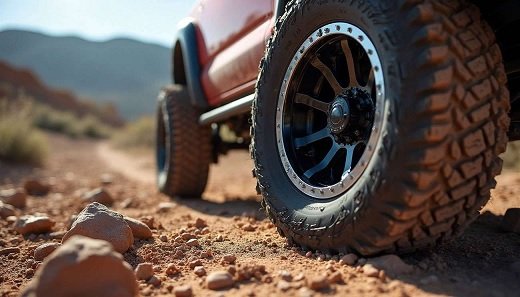
Off-roading is more than just powering over rocks, mud, and trails—it’s about control, traction, and durability. The wheels you choose have a direct impact on how your vehicle handles the unpredictable challenges of off-road terrain. Many drivers underestimate how much their wheel design affects performance, but seasoned off-roaders know that the right wheel setup can dramatically improve capability. That’s why so many start with size upgrades like 17 inch wheels to support larger tires and tougher trail conditions.
Your wheels are the foundation for traction, suspension performance, ground clearance, and maneuverability. Designing them to match the terrain you drive on ensures better control, reduces damage, and improves the overall experience whether you’re rock crawling, trail running, mudding, or exploring mixed environments. Below, we break down why terrain-specific wheels matter and how matching wheel design to your environment can elevate your off-road confidence and capability.
Terrain-Specific Wheel Choices Improve Trail Performance
Different terrains place different demands on your wheels, and choosing the wrong design can limit your performance, cause premature wear, or even put your vehicle at risk. On rocky trails, for example, you need wheels that can resist impacts and maintain stability on uneven surfaces. Lightweight wheels designed for street use won’t hold up under sharp rocks, sudden drops, or intense articulation.
On trail systems, wider wheels paired with appropriate tire sizing give you more stability and a broader footprint, increasing traction and improving control during climbs, descents, and side-hill navigation. For sand, wheels that accommodate tires with larger footprints allow you to “float” across soft surfaces instead of digging in. Mud requires tread-clearing capability and strong wheel construction to handle suction, spinning, and aggressive terrain.
A major advantage of terrain-specific wheel choices is how they affect your suspension. Wheels with the right diameter and width ensure your shocks, springs, and control arms work as intended. Too large or too small, and your suspension geometry suffers—leading to poor articulation, rubbing, or reduced clearance. That’s why many off-road enthusiasts choose setups like 16″ jeep wheels for tighter trail systems or more flexible tire and suspension combinations.
Brake clearance is another factor. Off-road environments demand strong braking performance, and certain terrains—especially steep rocky sections—put extra strain on your brake system. Choosing wheels that accommodate your brake setup ensures you maintain safe stopping power no matter what terrain you face.
Finally, wheel material matters. Steel wheels, while heavier, are easier to repair on the trail. Aluminum alloy wheels offer better strength-to-weight ratios and improved heat dissipation, making them ideal for long trail days or mixed driving conditions. Each terrain benefits from different wheel attributes, making informed choices essential to maximizing performance.
Matching Wheel Design to the Environment Boosts Control and Durability
Matching your wheel design to the terrain you drive isn’t just about performance—it’s about safety and durability. A wheel that flexes too much, cracks under pressure, or bends from repeated impacts can leave you stranded or damage your suspension. On rough terrain, durability becomes just as important as traction.
For rocky landscapes, wheels with reinforced lips and strong bead seats help prevent tire de-beading—a common issue when running low tire pressure for traction. Deep rock ruts and jagged edges demand wheels that can withstand heavy hits and resist warping. The correct offset and backspacing also help protect your drivetrain components by positioning your wheels correctly under the vehicle.
Mud and clay-heavy environments benefit from wheels designed for easy cleaning and strong center support. As mud builds up, it can create wheel imbalance, which affects control and suspension stability. Wheels with open designs and durable coatings reduce buildup and corrosion.
In desert terrain, wheels must handle heat, long suspension cycles, and high-speed vibration. Lightweight yet strong alloy wheels excel here by reducing unsprung weight and improving steering response. Heat-resistant finishes and reinforced construction keep wheels functioning reliably in extreme conditions.
When you match your wheels to your environment, you also create space for larger, more capable tire options. Bigger, thicker, and more aggressive tires dramatically increase traction and control, especially in off-road environments. That’s why many off-road drivers pair the right wheel design with tire upgrades like 35 inch jeep tires for improved ground clearance, rollover capability, and trail performance.
Larger tires provide a more forgiving ride on rough terrain, protecting your suspension and cabin from jarring impacts. They also improve obstacle climbability and reduce the risk of getting stuck in mud, sand, or deep ruts. But these benefits only exist when your wheel design supports the tire size correctly and safely.
Matching wheel design to terrain also boosts long-term durability. Wheels that are too light for aggressive environments or incorrectly sized for your tires and suspension can crack, bend, or warp under repeated stress. Choosing wheels built for your specific terrain ensures your vehicle remains reliable and safe throughout every adventure.
Designing your wheels to match the terrain you drive on is one of the smartest upgrades any off-roader can make. The right wheels improve control, enhance traction, protect your suspension, and support larger tire options—all of which translate to a more capable and enjoyable driving experience. Whether you’re navigating rocks, mud, sand, or mixed terrain, wheel choices tailored to your environment keep your vehicle performing at its best.
Refresh Date: December 2, 2025