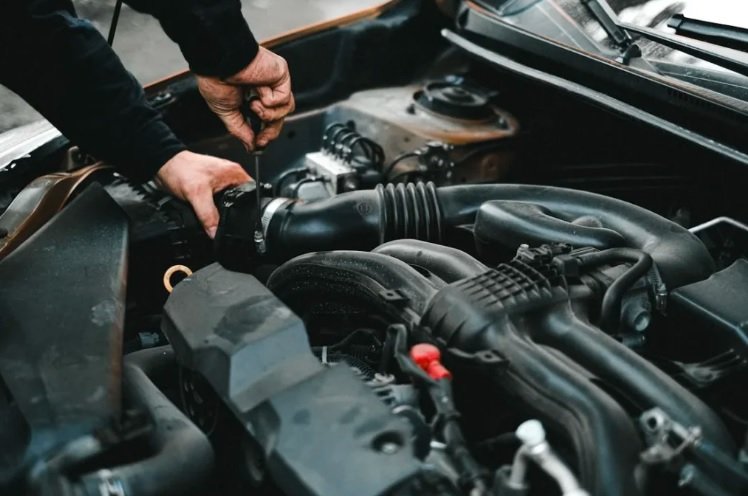
Want to know how to truly prepare new drivers for the road?
Teach them how to take care of their vehicle.
Sure, driving schools cram adolescents with information on road rules, traffic signs and proper parking techniques. But when was the last time you heard about car mechanics being taught alongside?
Drivers are learning how to operate vehicles without any knowledge of maintenance or upkeep. And it’s causing problems.
Breakdowns. Deaths. Costly repairs.
Here’s what’s happening:
Drivers are getting into accidents because they didn’t understand why their tyre burst.
They’re unable to figure out what’s happening with their car and call for a tow truck instead of troubleshooting the problem.
Cars are being towed to repair shops only for drivers to discover you’re supposed to regularly check your oil…
…the list goes on.
This article covers how observation driving lessons should include basic car maintenance in order to help new drivers keep their vehicles in tip-top shape.
Sound good?
Great.
Let’s jump in.
What you’ll learn:
- Why Teaching Car Mechanics Is Important
- Vehicle Safety Risks When Drivers Lack Mechanical Knowledge
- Basic Car Maintenance Drivers Should Know
- Teaching Car Maintenance During Observation Driving Lessons
Why Teaching Car Mechanics Is Important
You can ace your driving test, but that doesn’t mean you know everything about your vehicle.
You know how to change lanes. How and when to use your blinkers. And where to look when you’re scanning the road.
But let’s say your check engine light comes on.
Or your tyres begin to feel kinda wobbly.
Oh… You have no clue what’s going on.
It’s a scary thought right?
You could be driving along one minute, and the next…
Swerving on the highway because your tyre exploded.
Stuck by the side of the road because your battery died.
These things happen to new drivers all the time. Whether taking driving lessons in Natick, MA, or learning anywhere else, observation driving lessons need to go beyond just the road.
Why?
Because they don’t know how to care for their vehicle.
Teaching kids how to drive is one thing. But training them to maintain the vehicle they’re driving should be equally as important.
Vehicle Safety Risks When Drivers Lack Mechanical Knowledge
Deaths.
Fender-benders.
Flat tyres.
If drivers had a basic understanding of their vehicle, these incidents can often be avoided.
Think about it…
Tyre-related crashes killed 646 people in 2023 alone. Many of these accidents could have been prevented if drivers knew how to properly maintain their tyres.
Sure they can take it to a shop to get checked every now and then. But what if they just learned how to check their tyres themselves?
Visual tyre checks are simple and take less than a minute. Drivers should know:
- How to use a tyre pressure gauge
- How to check tread depth
- How to spot uneven wear
- When their tyres need replacing
Basic car knowledge can help drivers identify when something is off with their vehicle.
🚨 Driving doesn’t have to be scary when you know your vehicle isn’t at risk of breaking down.
Basic Car Maintenance Drivers Should Know
Kids don’t need to be experts on every automotive concept.
But there are certain things every driver should know about their vehicle. Here are a few things that should be included in every drivers education course.
Tyre Maintenance
Unless you’re riding a motorcycle, your tyres are what keep you connected to the road. But do you know how to take care of them?
NHTSA states that a whopping 81% of consumers don’t properly inflate their tyres.
That means 4 out of every 5 drivers on the road don’t know how to use a tyre pressure gauge.
New drivers should at least know how to:
- Check their tyre pressure
- Inspect tyres for tread and wear
- Identify anything off about their tyres
Dashboard Warning Lights
Cars are filled with warning signs. Sensors. Checks.
But what good is a sensor if you don’t know what the lights mean?
Drivers should familiarize themselves with every dashboard warning light so they’ll know:
- What to look for
- Where to check
- What to do if they see that warning light
Fluid Levels
Oil. Coolant. Brake fluid. Washer fluid.
These are things that help keep your car running smoothly. Every driver should know how to perform simple vehicle checks like:
- Oil levels
- Coolant levels
- Brake fluid levels
👀 Heck, drivers should know how to open the bonnet of their own car!
Basic Emergency Knowledge
Changing a tyre sounds intimidating to those who’ve never done it. But it’s honestly one of the simplest car maintenance skills to learn.
Same goes for jump-starting a car.
Or identifying an engine going overheated.
Drivers should know what to do in these scenarios. Because if they don’t learn from their driving instructor, who will they learn from?
Teaching Car Maintenance During Observation Driving Lessons
Okay, so now that we’ve gone over a few things all drivers should know.
How do we teach new drivers these things?
Vehicle safety starts with knowledge.
And observation driving lessons are the perfect time to teach kids these things.
Yes, drivers learn by shadowing professional drivers as they’re taught the ways of the road.
But having your instructor point out road signs. Telling them where to look when scanning. How to parallel park.
These are all forms of teaching a driver how to care for themselves on the road.
Pair that with explaining how to care for your vehicle and you’ve got a well-rounded driver.
Instructors should have learners do a vehicle check before every lesson.
Things like:
- Visually inspect tyres
- Check dashboard for warning signs
- Open hood to ensure fluid levels are ok
- Adjust mirrors
- Adjust wipers
Add these ten minutes to your lesson plan and watch your students develop some great habits that will serve them for years to come.
Teaching kids to maintain their vehicle along with driving will set them up for success and keep them safer on the road.
Wrapping Things Up
Knowledge is power.
When you know how your vehicle works. You feel more comfortable on the road.
You know your car isn’t going to randomly break down on you because you keep your maintenance up.
You know you can identify when something is wrong with your car before it turns into a costly repair.
Drivers should have both road knowledge and vehicle knowledge.
Only then can we start to prevent accidents due to mechanical ignorance.
Tyre explosions.
Engine failures.
Oil check failures.
Give drivers the tools they need to be successful on the road by teaching them basic car maintenance.