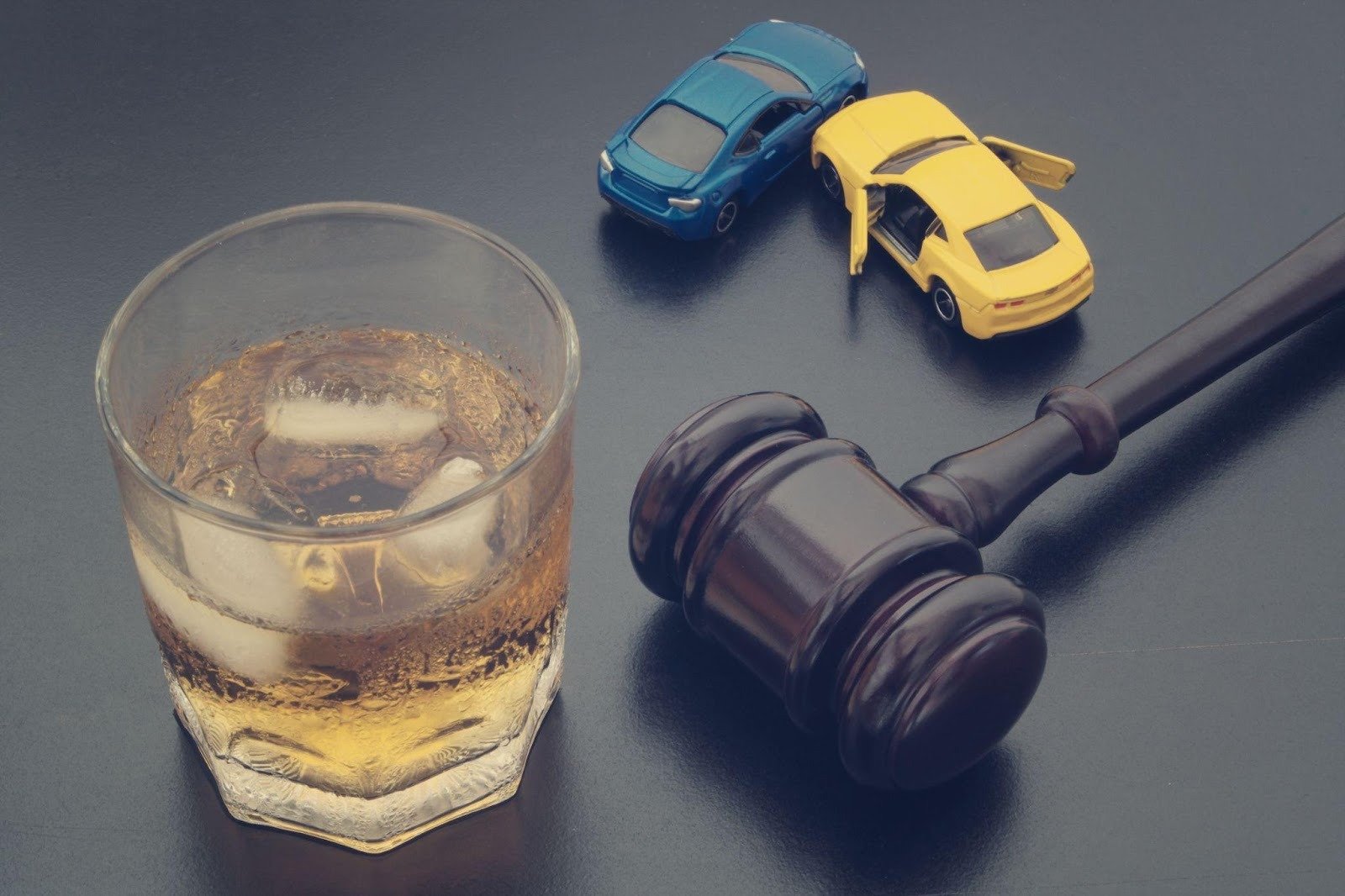
Most car accidents follow a familiar legal path. Drivers exchange details, insurance companies step in, and fault is debated based on speed, signals, or distractions. A drunk driving crash does not follow that same path. The presence of alcohol changes how responsibility is viewed, how evidence is used, and how the entire case moves forward.
For people injured in these crashes, understanding this difference matters. Seeking legal help after a drunk driving crash is not about creating conflict. It is about navigating a situation that the law already treats as more serious from the very beginning.
Why DUI Crashes Are Not Treated Like Ordinary Accidents
A normal car accident usually involves negligence. Someone made a mistake. They looked away. They misjudged traffic. DUI crashes involve unlawful behavior. Driving under the influence is not just careless. It is a violation of the law meant to protect everyone on the road.
Because of this, courts and insurers do not view these crashes as simple errors; alcohol impairment signals reckless conduct. That single factor raises the legal stakes and reshapes how fault is evaluated.
Criminal DUI Cases and Civil Injury Claims Are Separate
One of the biggest misunderstandings victims have is believing the criminal DUI case covers everything. It does not.
A DUI arrest focuses on punishment. Fines, license suspension, and possible jail time are handled by the criminal court. None of those outcomes is designed to cover medical bills, lost wages, or long-term care needs.
A civil injury claim exists for that reason. It allows injured people to seek compensation for what the crash took from them. Even if the driver is clearly guilty of DUI, the civil case must still be pursued separately.
How Alcohol Changes the Liability Conversation
In most car accidents, liability is often shared or debated. Insurance companies look for ways to reduce their responsibility by pointing to the other driver’s actions.
DUI crashes work differently. Alcohol impairment weakens many of the usual defense arguments. Reaction time, judgment, and motor skills are all affected by alcohol. This makes it harder for insurers to argue that the impaired driver acted reasonably.
While comparative fault can still exist, intoxication heavily tilts responsibility toward the drunk driver. That shift alone changes how cases are negotiated and resolved.
Evidence Carries More Weight in DUI Accident Claims
Evidence matters in every accident. In DUI cases, certain types of proof carry extra legal weight.
This includes breath or blood test results, field sobriety tests, police observations, and arrest records. These details do more than show alcohol use. They help establish impaired judgment and reckless behavior at the time of the crash.
Timing is critical. Evidence collected early is stronger. Delays can lead to lost records or weakened claims. That is one reason these cases demand careful handling from the start.
Responsibility Can Extend Beyond the Driver
Another major difference in DUI crashes is that responsibility may not stop with the person behind the wheel.
In some situations, other parties may be legally involved. This can include vehicle owners, employers if the driver was working, or alcohol-serving establishments under certain circumstances. These situations depend on facts and local law, but DUI cases often open doors that normal accidents do not.
This broader scope is part of what turns these cases into a different legal battle.
Why the Financial Impact Is Often Higher
Drunk driving crashes tend to cause more severe injuries. High speeds, delayed reactions, and poor decision-making lead to harder impacts and fewer chances to avoid harm.
As a result, compensation claims are often larger. Medical treatment may last months or years. Some injuries never fully heal. Lost income and reduced earning ability can follow victims long after the crash itself.
In certain cases, courts may also consider punitive damages. These are not meant to compensate losses, but to address especially dangerous behavior. While not automatic, they are more commonly discussed in DUI-related claims.
Florida’s Legal Landscape Adds Another Layer
Florida’s roadways see heavy traffic, tourism, and nightlife, all of which increase DUI risks. State law takes impaired driving seriously, and that seriousness carries into injury claims.
Local enforcement practices, court procedures, and insurance rules all affect how DUI accident cases unfold. Understanding this environment helps explain why outcomes vary and why legal strategy matters in these claims.
Why DUI Crashes Demand a Different Legal Strategy
Handling a DUI accident claim requires more than filing paperwork. Criminal proceedings, evidence preservation, and insurance negotiations often overlap. Statements made in one case can affect another.
This is why seeking legal help after a drunk driving crash often becomes necessary. These cases move on a different track. They require attention to timing, coordination with ongoing criminal matters, and a clear understanding of how liability is proven.
What Injured People Should Keep in Mind
People hurt in DUI crashes often assume the law will automatically protect them. While the system does recognize the seriousness of impaired driving, outcomes still depend on how cases are handled.
Important steps include getting medical care, avoiding early insurance statements, and understanding that quick settlements rarely reflect long-term costs. Taking time to understand the legal process helps victims make informed decisions instead of rushed ones.
A Legal Battle Shaped by Responsibility
Drunk driving turns a car accident into something more than a traffic dispute. It introduces unlawful conduct, stronger evidence, broader responsibility, and higher stakes. The legal system responds differently because the behavior itself is different.
Understanding this shift helps injured people see why these cases require patience, structure, and a clear legal approach. DUI crashes are not ordinary accidents, and the path to accountability reflects that reality.