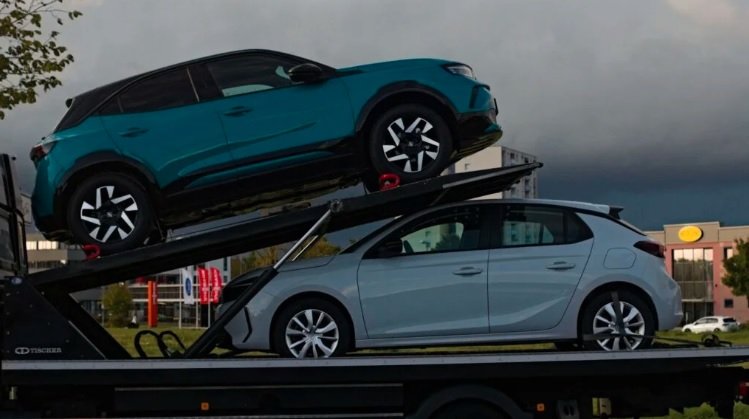
Shipping a vehicle long distance can seem daunting if you’ve never gone through the process before.
And with good reason!
There’s a lot to think about. From selecting a carrier, to watching your vehicle drive away at delivery, vehicle shipping has steps that most people don’t consider until it’s their vehicle that’s sitting idle waiting on a truck.
Here’s what happens during each step of the process and how to ensure your vehicle is shipped safely from start to finish.
Want to skip ahead? Here’s a breakdown of everything covered in this guide:
- How the Vehicle Shipping Process Works
- Getting Quotes & Booking Your Shipment
- Open vs. Enclosed Transport
- Prepping Your Vehicle for Pickup
- During Transit
- Delivery Day
How the Vehicle Shipping Process Works
If there’s one thing you need to know about the vehicle shipping process, it’s this:
It’s simple.
You request quotes, book your shipment, prep your vehicle, hand it over to a carrier, and then receive it on delivery day.
That’s it.
But if you dive deeper into each of these areas, you’ll discover why knowing how vehicle shipping works is incredibly beneficial to getting your car safely to its destination.
Long distance car shipping is a huge industry. In fact, IBISWorld estimates the U.S. vehicle shipping services market generated $10.5 billion in revenue by 2026 with over 7,000 businesses servicing America’s roads.
You read that right. There are thousands of options for shipping your vehicle long distances. But who can you trust? How do you know which services are scams?
By arming yourself with knowledge about how vehicle shipping works, you put yourself in the best position to choose a reputable carrier and avoid common pricing scams that catch first-time shipper’s off guard.
Getting Quotes & Booking Your Shipping
Before you dive into the request quote process, it’s important to understand that this is where your vehicle shipping journey begins.
Always get quotes from at least 3 companies before booking anything. To start, head to your favorite search engine and plug in your shipping details. Look for a price estimate for car shipping calculator that takes into consideration your distance, vehicle type, and shipping method. Nationwide car shipping costs average between $.50 and $2.00 per mile.
However…
Not all quotes are created equal.
Some carriers will offer you a lowball quote to lock you in, only to increase the price later on with additional fees. Avoid this. A reputable carrier will always disclose all fees upfront.
When comparing prices, be sure to consider the following:
- Final cost to ship — per mile is great, but some companies hide fees
- Insurance provided by carrier
- Estimated window for delivery
- FMCSA registration and USDOT number
Once you’ve narrowed down your top choices, verify each company with the Federal Motor Carrier Safety Administration database before sending any payments. This will weed out any bad apples or brokers, and leave you with a shortlist of legitimate companies ready to ship your vehicle.
Open vs. Enclosed Transport
One of the biggest decisions you’ll make during the vehicle shipping process is whether to go with open or enclosed transport.
Open transport is far more common and cost-effective. Vehicles are loaded onto an open carrier with other vehicles. This is perfectly fine for your everyday vehicle and is the preferred method for most long distance car shipping needs. ConsumerAffairs states prices range from between 53 cents to over $2.30 per mile.
Enclosed carriers are much more expensive, but provide a weatherproof method of shipping your vehicle. If you’re shipping luxury vehicles, classics, or anything with extreme sentimental value, enclosed carriers are the way to go.
If your vehicle’s value far exceeds the cost to ship by a couple thousand dollars, enclosed transport is the better choice every time.
Prepping Your Vehicle for Pickup
This step is underrated.
Preparing your vehicle for pickup may seem like a hassle, but doing so ensures everything goes smoothly on pickup day. More importantly, it gives you legal proof of your vehicle’s condition prior to shipping in the event that something happens during transit.
Before the carrier arrives to pick up your vehicle, be sure to:
- Wash the exterior of your vehicle. Yes, really. A clean car allows you to easily identify existing damages during the pre-pickup inspection.
- Remove all personal items from the vehicle. Not only does this reduce risk of losing belongings, but many carriers won’t cover personal items that are damaged during shipping.
- Take photos. Want proof? Take pictures of every angle of the vehicle you’re shipping. Include close-ups of any scratches and dings that already exist.
- Keep the fuel tank near the quarter tank. You don’t need a full tank. In fact, carriers prefer you don’t have a full tank because it’s heavier and costs more to ship.
- Disable alarm system. The last thing anyone wants is for your car to start blaring while it’s in route to delivery.
Once you’ve completed the steps above, sit down with the carrier driver and review the condition of the vehicle together. Both parties will complete a Bill of Lading detailing the vehicle’s condition. This is your proof of vehicle condition prior to shipping, so don’t skip this step.
What Happens During Transit
Congratulations.
Your vehicle has been picked up and is now en route to its final destination. Now it’s time to wait.
The majority of long distance car shipping will take somewhere between 2 and 9 days. A good rule of thumb is that every 500 miles adds about a day of transit time. So a coast to coast shipment from Los Angeles to New York could take anywhere from 7-9 days.
During this time most carriers offer GPS tracking so you can keep tabs on your vehicle while it’s in route. If your carrier doesn’t offer this, consider it a red flag.
Keep in mind that shipping delays can happen. Don’t panic if your vehicle encounters a delay along the way. Weather conditions, traffic, and even mechanical issues can slow down shipping times. A reputable carrier will always communicate with you first if there are issues or delays during transit.
Delivery Day and Final Inspection
Alright, it’s finally here.
Delivery day is where all of your hard work during the prep process pays off. When the carrier arrives at your delivery location, take your time during the handoff process.
Inspect the vehicle thoroughly before signing the final Bill of Lading. Compare the vehicle’s condition to the photos you took prior to shipping. Review any scratches or damages that may have occurred during transit. Closely look at tires, mirrors, and undercarriage. Finally, pop the hood to ensure the vehicle started and ran properly during transit.
If there are any damages, write them on the Bill of Lading and take photos. Documentation is everything if you need to file a claim with the carrier’s insurance company.
Most carriers offer insurance up to $100,000 per vehicle. However, if you’re shipping something extra valuable, consider purchasing additional coverage prior to shipping. Don’t wait until delivery day!
Final Thoughts
Shipping a vehicle long distance is easier than you think.
There are plenty of steps to consider during each phase of the vehicle shipping process. Request quotes from multiple verified carriers. Choose open or enclosed transport based on your vehicle. Prep your vehicle before pickup. And document everything!
That’s pretty much it! You now know how vehicle shipping works from start to finish.
As with any service-driven industry, knowledge is power. There are thousands of companies offering vehicle shipping services across the U.S., which means the power is in your hands as the consumer. Do your research, follow these steps, and sit back while your vehicle makes its way to destination safely.