Car restoration is a labor of love that demands precision, patience, and the right tools. Whether you’re working on a classic muscle car or refurbishing a vintage beauty, one of the biggest challenges in restoration is dealing with rust. Rust not only weakens structural components but also deteriorates the appearance of a vehicle, turning a potentially valuable restoration project into a frustrating ordeal.
In the past, rust removal meant hours of sanding, chemical treatments, or abrasive blasting—methods that were messy, time-consuming, and often damaging to the underlying metal. However, modern advancements in laser cleaning technology are changing the game, offering restorers a faster, safer, and more precise way to bring vehicles back to their former glory.
Understanding Rust in Car Restoration
Rust forms when metal is exposed to moisture and oxygen over time. In cars, this corrosion can affect everything from body panels and frames to brake components and engine parts. The extent of rust can vary widely, from minor surface oxidation to deep, corrosive pits that compromise structural integrity.
Traditional methods such as sanding or chemical dipping can remove rust, but they come with significant drawbacks. Sanding can remove more metal than necessary, altering part dimensions and weakening metal. Chemical treatments often involve hazardous substances that require careful handling, disposal, and safety precautions. These drawbacks have driven automotive professionals to seek more advanced solutions.
What Is Laser Cleaning Technology?
Laser cleaning technology uses concentrated light energy to remove rust, contaminants, paint, and oxidation from metal surfaces. Unlike abrasive or chemical techniques, laser cleaning is a non-contact process that precisely targets only the unwanted layer. This precision preserves the base material while efficiently removing surface corrosion.
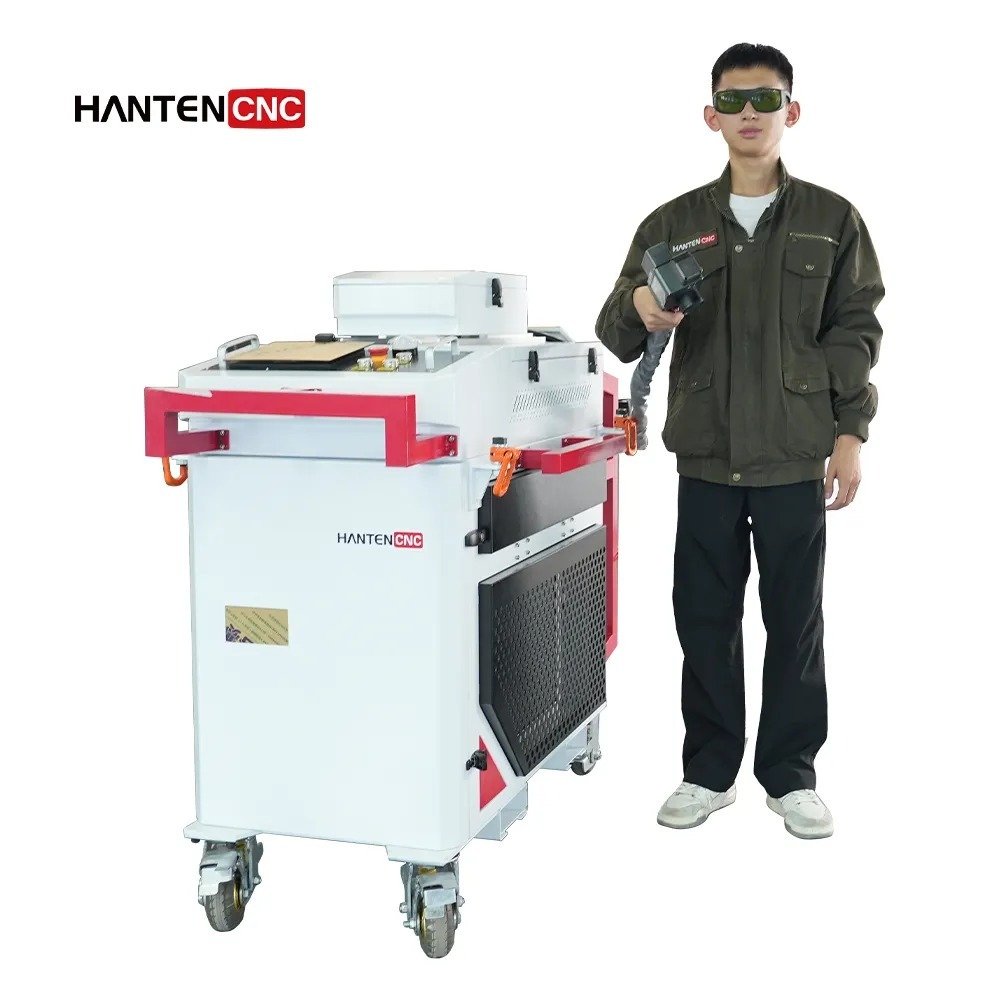
One of the most effective tools in this category is the laser rust removal machine, which is specifically designed to address difficult rust and oxidative buildup on automotive parts without causing damage to the underlying substrate.
Why Laser Cleaning Is Ideal for Car Restoration
Precision and Control
With laser cleaning, restorers can work on intricate parts such as engine components, chrome trim, and delicate bodywork without risk of over-machining or surface distortion. The laser’s focused beam can be finely tuned, making it ideal for both large panels and detailed spots that traditional tools struggle to reach.
Non-Abrasive and Non-Chemical
The process avoids the drawbacks of abrasive blasting and chemical soaking. There’s no need for sand, grit, acids, or solvents that may react adversely with metal alloys. This makes laser cleaning safer for operators and more environmentally friendly.
Time-Saving Efficiency
In car restoration, time is often as valuable as craftsmanship. Laser systems can remove rust significantly faster than manual sanding or chemical baths, cutting down hours or days of labor into minutes. This speed enables restorers to focus on higher-value tasks like paintwork and mechanical rebuilds.
Minimal Post-Treatment Cleanup
Unlike sandblasting, which leaves abrasive residue, laser cleaning produces minimal byproducts. This translates to a cleaner workspace and less time spent on post-cleaning cleanup, further increasing productivity.
Practical Applications in Automotive Restoration
From rusted fenders and door frames to brake drums and suspension components, laser cleaning machines handle a wide variety of automotive restoration tasks. Specific applications include:
- Rust removal on body panels before repainting
- Cleaning engine parts prior to rebuilds
- Removing oxidation from chrome and trim pieces
- Surface preparation for welding and bonding
The precision of a laser rust removal machine makes it especially useful when restoring rare or delicate parts where maintaining original material thickness and detail is crucial.
Safety and Environmental Benefits
Laser cleaning reduces reliance on hazardous chemicals and abrasive materials, minimizing risks to operators and the environment. Without the need for containment of chemical waste or sand media, restorations can proceed with greater safety compliance and less environmental impact.
Additionally, laser systems often come with integrated fume extraction and shielding options that further improve workplace safety.
Adopting Laser Cleaning in Your Workflow
For professional shops and serious hobbyists alike, integrating a laser cleaning solution into your restoration workflow can yield major benefits. While the initial investment may be higher than traditional tools, the long-term gains in speed, precision, and overall restoration quality make it a worthwhile investment.
Start by assessing the types of parts you work with most often. For complex shapes or heavily corroded metal, laser cleaning offers significant advantages over other methods. Combining laser cleaning with traditional techniques where appropriate ensures the best balance of speed, cost, and restoration quality.
Conclusion
Rust is one of the toughest adversaries in car restoration, but with the rise of innovative methods like laser cleaning technology, restorers now have a tool that delivers unmatched precision, safety, and efficiency. Whether you’re tackling a full-body restoration or just refinishing a prized part, laser rust removal opens the door to cleaner, faster, and more professional results.
By embracing modern tools such as a laser rust removal machine, you not only save time and effort but also elevate the quality of your restoration work—bringing classics back to life with confidence and finesse.