We’ve all been there – cruising down the road, enjoying a drive, when suddenly your car starts acting up. Whether it’s a strange noise, a warning light, or something more serious, it’s never fun when your vehicle begins to show signs of trouble. And in a place like Eden Prairie, where winters can be brutal and potholes are a common nuisance, knowing how to spot and fix common auto repair issues can save you a lot of hassle. Let’s dive into some of the most common car problems drivers face here and how to deal with them.
1. Brake Issues: Squeaky, Grinding, or Weak Brakes
One of the most common issues drivers encounter is with their brakes. Brakes are, without a doubt, the most important safety feature of your vehicle. So, when you start hearing squeaky or grinding noises, or worse, when your car feels sluggish in stopping, it’s time to pay attention.
What’s Going On?
The most common reason for brake issues is worn-out brake pads. If you’re hearing grinding sounds, your pads may be down to the metal. Weak braking could also indicate low brake fluid or air trapped in the lines.
What You Can Do
If your brakes are acting up, get them checked out right away. Brake pads are relatively inexpensive and easy to replace, but neglecting them can lead to much more expensive damage. Staying on top of your brake maintenance is key to ensuring safe driving, especially during the colder months in Eden Prairie when icy roads make stopping more challenging.
2. Engine Overheating: Keep Your Cool
Seeing your car’s temperature gauge creeping into the red zone is never a good sign. Overheating can happen for a variety of reasons, and if left unchecked, it can cause severe damage to your engine.
What’s Going On?
Overheating is often caused by a low coolant level, a broken radiator, or a malfunctioning thermostat. If you notice steam coming from your hood or your temperature gauge rising quickly, it’s time to pull over and let the car cool down before continuing your drive.
What You Can Do
If you catch the problem early, you can usually fix the issue by checking your coolant levels or replacing your thermostat. A well-maintained cooling system helps your engine run at the proper temperature, so don’t skip regular coolant flushes.
3. Dead Battery: A Power Problem
There’s nothing worse than getting into your car, turning the key (or pressing the button), and… nothing. Your car won’t start. A dead battery is one of those things that always seems to happen at the worst time.
What’s Going On?
A dead battery can happen for a variety of reasons. Cold weather in Eden Prairie can be especially hard on your car battery, but age and wear also play a role. You might notice that your headlights are dimming or your car is slow to start.
What You Can Do
If your car battery is dying, you can often jump-start it. However, if your battery is more than a few years old, it might be time to replace it. Keeping the battery terminals clean and checking the charge regularly will also help extend the life of your battery.
4. Flat or Worn Tires: Don’t Let Your Tires Go Flat
We’ve all experienced the dreaded flat tire. It’s inconvenient and can be dangerous, especially if it happens unexpectedly. But even if you’re not dealing with a flat, worn-out or improperly inflated tires can also cause problems.
What’s Going On?
Tires wear down over time due to road conditions, the elements, and driving habits. In Eden Prairie, potholes and rough roads can cause punctures or cause your tires to lose air faster than usual. If you notice vibrations while driving or hear strange noises, it could mean your tires are in trouble.
What You Can Do
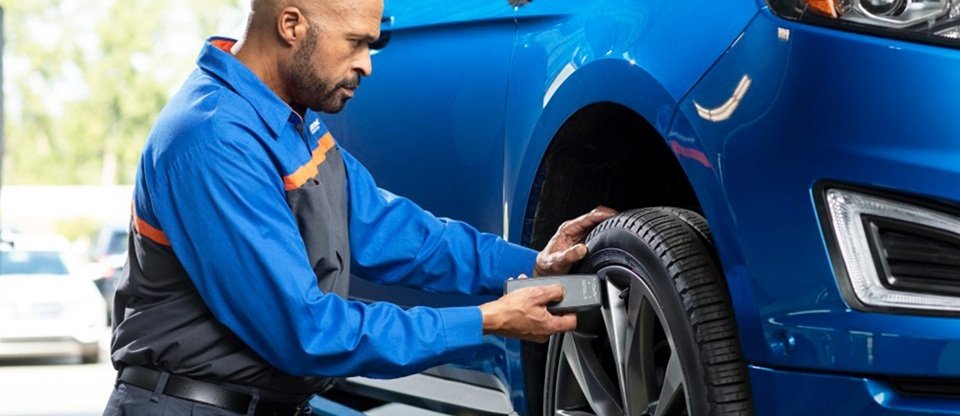
Check your tire pressure regularly, especially before long drives or before the changing seasons. Rotate your tires every 6,000 to 8,000 miles to ensure even wear. And, of course, if you notice a flat or significant wear on your tires, get them replaced before they cause bigger problems.
5. Transmission Problems: Shifting Issues
If you’ve ever felt your car jerk or hesitate when shifting gears, you may be dealing with transmission issues. Whether your car’s gears are slipping or not shifting properly, it’s essential to address these issues early to prevent major repairs later.
What’s Going On?
Transmission problems are often caused by low or dirty transmission fluid. If the fluid level is low or if the fluid has become contaminated, it can cause your car to shift roughly or even slip out of gear.
What You Can Do
If you’re experiencing issues, start by checking your transmission fluid levels and condition. Regular maintenance, such as fluid changes, can help prevent more serious transmission problems. And if the issue persists, it’s best to take your car in for a professional inspection.
6. Alternator Problems: Don’t Let Your Car Stall
Your alternator is responsible for charging your battery and powering your car’s electrical systems. If it starts failing, you might notice strange electrical issues, such as dimming lights or a car that stalls unexpectedly.
What’s Going On?
Alternator issues usually stem from a worn-out alternator belt or internal failure. If your alternator isn’t working properly, your battery won’t get charged, which can lead to a dead car.
What You Can Do
If you’re having electrical issues or your car is stalling, it’s a good idea to have your alternator checked. If it’s malfunctioning, replacing it can restore the electrical system’s power and prevent further issues.
7. Exhaust System Issues: Keep It Quiet and Clean
If your car sounds louder than usual or you’ve noticed a decrease in fuel efficiency, you might have an issue with your exhaust system. A malfunctioning exhaust can also impact your car’s emissions.
What’s Going On?
Exhaust problems can be caused by leaks, rust, or damage to the muffler or catalytic converter. This can lead to a louder engine noise, reduced fuel efficiency, and even poor vehicle performance.
What You Can Do
Get your exhaust system checked regularly to catch any issues early. If there’s rust or a leak, it’s usually best to get it repaired before it gets worse. A smooth-running exhaust system ensures better fuel economy and cleaner emissions.
Auto Repair: When to Seek Professional Help
While there are many minor repairs you can handle yourself, sometimes it’s best to leave it to the professionals. If you’re dealing with more complex issues, like transmission problems or alternator failures, it’s worth reaching out to a mechanic you trust. Local shops specializing in auto repair in Eden Prairie can provide the expertise you need to get your car back on the road safely.
When Should You Call a Mechanic?
If you notice any of the following, it’s time to get a professional involved:
- Warning lights on your dashboard that you can’t diagnose
- Unusual sounds or vibrations while driving
- Issues with acceleration, shifting, or power loss
A good mechanic can diagnose problems quickly and ensure your car is running smoothly, saving you time and money in the long run.
Conclusion: Keep Your Car in Top Shape
No one wants to be stuck on the side of the road with car troubles. By staying on top of routine maintenance and addressing problems early, you can keep your car running smoothly and avoid major repairs. Whether it’s a brake issue, dead battery, or something more complicated, understanding the signs of trouble and knowing how to respond can help you stay safe and keep your vehicle in top condition.
Remember, if you’re ever in doubt or facing a more significant issue, don’t hesitate to reach out for auto repair. A little preventative care can go a long way, keeping you on the road and out of the repair shop. Safe driving!