It’s easy to get distracted by supercars and six-figure price tags when talking about automotive history. But if we’re being honest, the cars that truly changed the world weren’t the fastest or the rarest. They were the ones regular people could actually buy.
Affordable cars are the reason roads filled up. They’re the reason suburbs expanded. They’re the reason mobility stopped being a luxury and became something ordinary.
In the early 1900s, owning a car still felt like owning a mechanical experiment. Vehicles were expensive and often unreliable. Then production methods evolved. Assembly lines made it possible to build cars at scale, and suddenly prices started to drop.
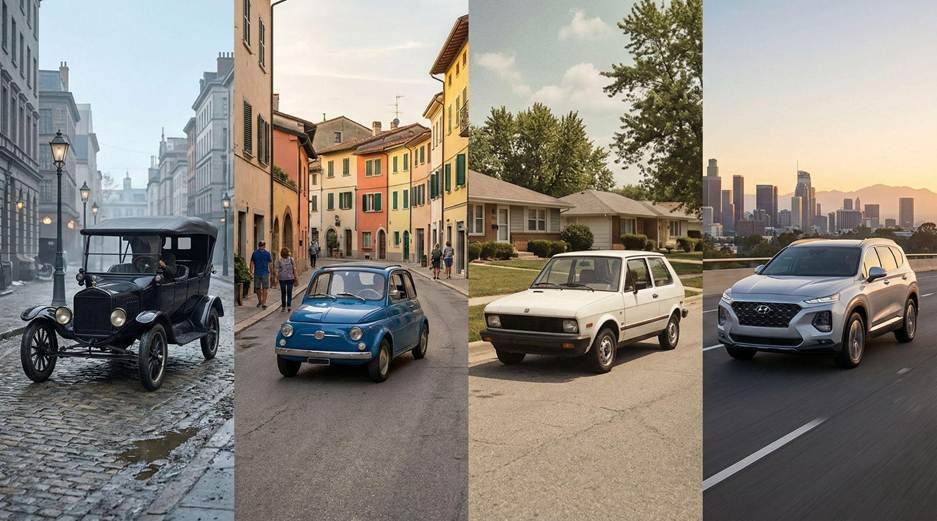
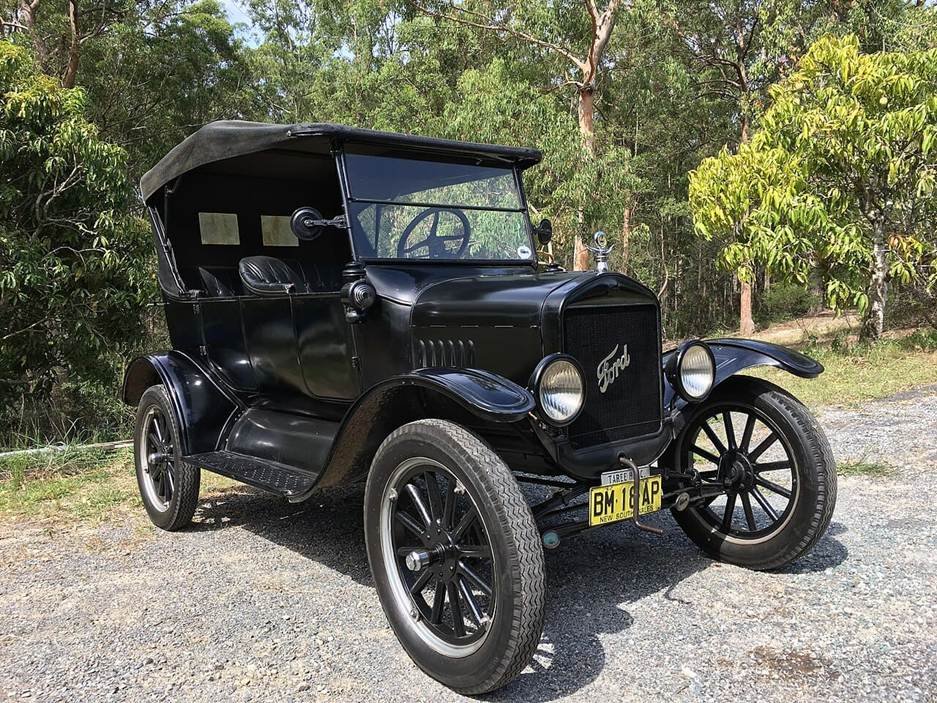
The Ford Model T is the obvious example. It wasn’t elegant. It wasn’t refined. But it worked — and more importantly, it was within reach for working families. Even now, when someone keeps a Ford Model T Classic Model Car on a shelf, it feels symbolic. It represents the moment driving stopped being exclusive.
After the war years, affordability meant something slightly different. Countries rebuilding their economies needed simple transportation. Small engines. Basic interiors. Cars that were cheap to fix and cheap to fuel. European and Japanese manufacturers leaned heavily into this mindset, and it worked. Entire generations learned to drive in compact, practical vehicles that prioritized reliability over style.
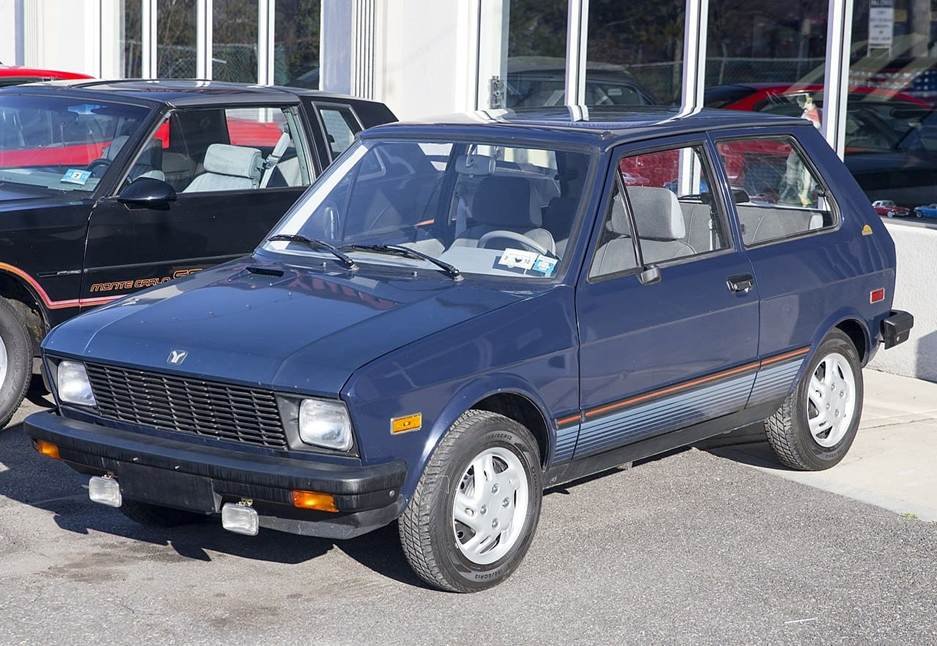
Then came the era when manufacturers pushed the affordability idea even further. Some brands tried to build cars at the lowest possible price point, stripping away anything unnecessary. The Yugo is often brought up in those conversations. It developed a complicated reputation, especially in the United States, but it also tells an important story. The ambition behind it was clear: make car ownership possible for almost anyone. Today, spotting a Yugo Model Car in a collection isn’t just nostalgia — it’s a reminder of how bold those affordability experiments were.
As the years passed, buyers started expecting more. Safety standards improved. Comfort became important. Technology slowly trickled down from high-end models into budget segments. Affordable no longer meant bare bones. It started to mean smart value.
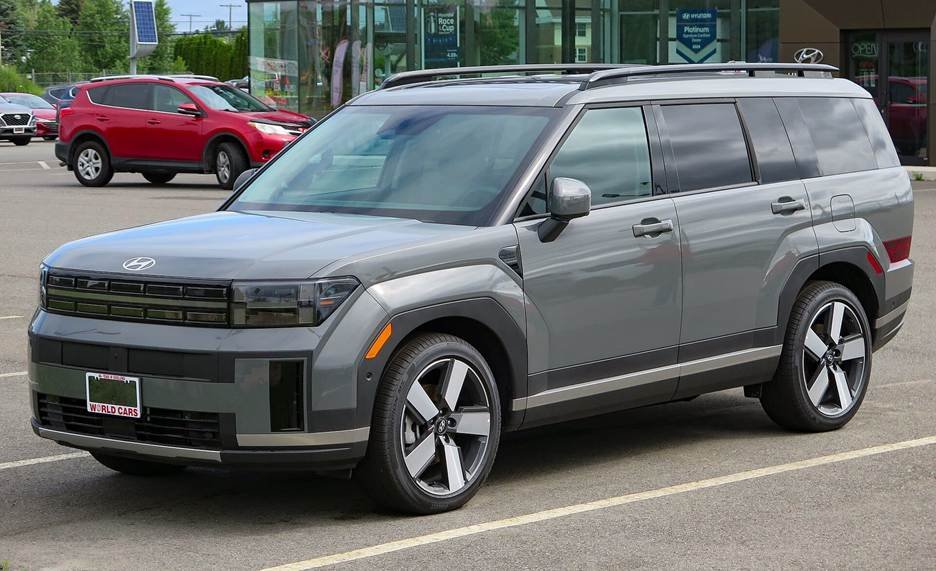
The rise of compact SUVs changed the landscape again. Families wanted space without paying luxury prices. Manufacturers responded by designing vehicles that looked modern, felt practical, and stayed within reach financially. Models like the Hyundai Santa Fe helped bridge that gap. When people discuss Santa Fe Car Models, they’re often pointing to that balance — usable space, solid reliability, and pricing that didn’t feel out of control.
And that’s really the key shift. Affordable cars stopped being about the lowest price possible. They became about delivering the most value for the money.
Today’s entry-level vehicles would have felt futuristic a few decades ago. Touchscreens, advanced safety systems, improved fuel efficiency — features that once belonged to premium brands are now common in everyday cars. Manufacturing has become more precise. Materials are lighter. Engineering is smarter.
Yet the mission hasn’t changed.
Affordable cars still serve the same purpose they did a century ago. They give people access. Access to work, to education, to travel, to opportunity. They don’t always get admiration at auto shows. They don’t usually headline enthusiast magazines. But they quietly do the heavy lifting of transportation worldwide.
When you look back at the timeline — from early mass production to experimental budget models to practical crossovers — you can see how closely car design follows economic reality. Each era builds what people can afford, not just what they admire.
And in that sense, affordable cars might be the most honest part of automotive history.