Vehicle maintenance has undergone significant evolution in recent years. Modern cars are more sophisticated, more reliable, and require more specialised care than ever before. To keep your vehicle reliable and maintain its value, understanding current maintenance best practices is crucial. This comprehensive guide covers everything you need to know about keeping your car in top condition. To keep your vehicle reliable and maintain its value, understanding current maintenance best practices is crucial. For most drivers, this starts with routine vehicle servicing, as it ties diagnostics, fluid checks, and safety inspections into a single, consistent maintenance plan.
Understanding Modern Diagnostic Systems
Today’s vehicles communicate their needs through sophisticated computer systems. Warning lights appear for specific issues, and professional diagnostic scanning can identify problems before they become serious. Understanding and responding to these signals is crucial for maintaining your vehicle correctly and avoiding unnecessary repairs.
Fluid Maintenance: The Foundation of Engine Health
Engine oil remains the lifeblood of your vehicle, but modern synthetic oils and extended service intervals have changed maintenance routines. Beyond oil, your vehicle relies on coolant, brake fluid, transmission fluid, and power steering fluid. Each serves a critical function and requires periodic replacement according to the manufacturer’s specifications.
Tyre Care and Rotation Strategies
Your tyres have a direct impact on safety, fuel economy, and ride quality. Regular pressure checks, professional rotation, alignment verification, and timely replacement when tread wears thin are essential. Proper tyre maintenance extends their lifespan and improves your vehicle’s overall performance.
Brake System Excellence
Brakes are your vehicle’s most critical safety system. A professional inspection ensures that pads, rotors, callipers, and hydraulic lines function properly. Modern cars often feature advanced braking systems that require specialised knowledge to maintain correctly.
Battery Longevity and Electrical Health
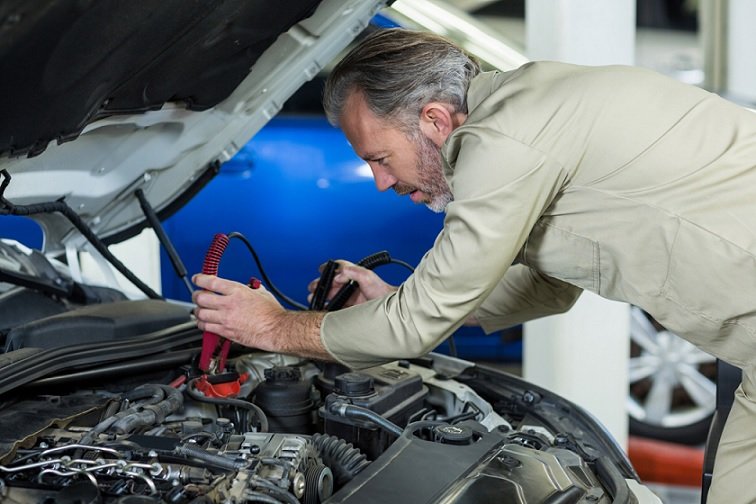
Your battery’s lifespan depends on proper maintenance. Keep terminals clean and corrosion-free, ensure secure connections, and have older batteries tested regularly to prevent potential hazards. Modern vehicles with advanced electrical systems require professional attention to address electrical issues, rather than attempting DIY troubleshooting.
Filter Replacement: Simple Yet Critical
Engine air filters and cabin air filters are inexpensive components that significantly impact performance and air quality. Regular replacement helps prevent engine strain and maintains optimal interior air quality. These simple maintenance tasks are often overlooked but deserve attention.
Transmission Care for Longevity
Your transmission is complex and expensive to repair. Professional maintenance includes periodic fluid changes and inspection for issues. Catching transmission problems early prevents catastrophic failure and protects your investment.
Suspension and Steering Inspection
Your vehicle’s suspension and steering systems significantly impact handling, comfort, and safety. A regular professional inspection helps identify wear before it becomes a safety concern. Addressing suspension issues promptly prevents accelerated tyre wear and maintains steering precision.
Planning Your Maintenance Schedule
Your vehicle’s manual outlines recommended service intervals. Following these intervals keeps your vehicle running optimally and maintains warranty coverage. Professional technicians can help you develop a maintenance plan tailored to your vehicle’s age, mileage, and condition.
The Benefits of Professional Maintenance
Professional maintenance ensures your vehicle receives expert care from trained technicians using specialised equipment. Regular professional servicing prevents problems, maintains safety, preserves value, and provides peace of mind.