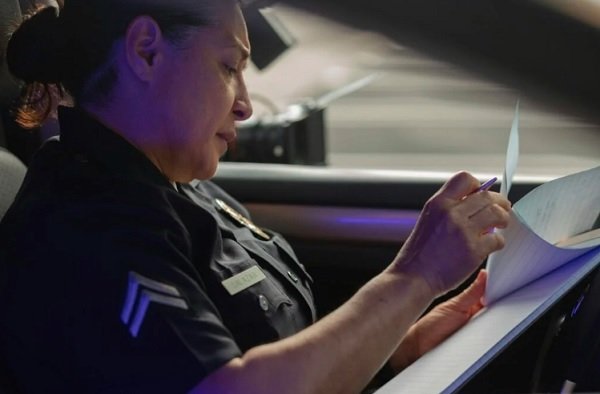
Being pulled over for speeding is never fun. But the headache of dealing with a speeding ticket afterwards is often even worse.
Most drivers just pay the fine, accept the points, and move on. And that’s exactly what you shouldn’t do.
Here’s the thing…
That ticket isn’t going away. It’s going to follow you for years, starting with higher insurance rates and then later showing up during employment screenings if your job involves driving.
The good news is there are real, legal defenses that can get that ticket dismissed or reduced. Here’s what you need to know.
The Things You’re Going to Learn
- What’s The Real Cost Behind Your Speeding Ticket?
- Know Your Rights If You’re Pulled Over for Speeding
- Traffic Court Defense Strategies That Actually Work
- Is It Time to Call a Speeding Ticket Lawyer?
The Real Cost Behind Your Speeding Ticket
If you’re paying the base fine on your speeding ticket, it’s natural to think you’ve already paid more than enough.
According to Insurify’s analysis, people with one speeding ticket pay an average of $226 per month for auto insurance versus $179 a month for those with clean records. That’s an additional $564 per year… for a single ticket.
And the costs only go up from there.
A first-time speeding violation can result in a 15-27% jump in premiums. A second offense could tack on an additional 40%. And all these rate increases can remain in place for three years or more.
This is why fighting a ticket almost always makes financial sense.
If you’re a driver who’s facing a citation, you need to know your options. Working with the type of speeding ticket lawyer Miami drivers trust for top results can make all the difference between paying thousands in long-term expenses and walking away with a clean slate.
Know Your Rights If You’re Pulled Over for Speeding
Every traffic stop is required to follow certain legal procedures. Understanding your rights during a stop is the foundation of a solid defense.
Drivers pulled over for speeding have the right to:
- Remain silent (after producing license, registration, and proof of insurance)
- Refuse a vehicle search without a warrant
- Request the officer’s name and badge number
- Know why they were stopped
- Contest the citation in court
Here’s what most drivers don’t realize…
Officers need reasonable suspicion to make a traffic stop. Speed detection devices must be calibrated. The citation needs to list accurate information. A violation of any of these rules can be grounds for dismissal.
Traffic Court Defense Strategies That Actually Work
Amazingly, only 3-5 percent of all tickets are contested in traffic court. But here’s where it gets interesting – 50% of those contested tickets get thrown out. The other half receive plea deals or fines are reduced.
50% dismissal on a hunch? Sold.
So what legal strategies actually work to fight a traffic ticket?
Challenge the Speed Measurement Equipment
Radar or LIDAR devices must be calibrated and maintained to produce accurate speed readings. If the speed detection device wasn’t recently calibrated or the officer wasn’t properly trained to use it, the speed measurement can be thrown out.
This defense relies on documentation. Request calibration records during discovery. If those records don’t exist or show the device was overdue for maintenance, the prosecution’s case falls apart.
Identify Procedural Errors
Prosecutors make small mistakes all the time that add up to big problems for their case. Common errors include:
- Wrong license plate number
- Incorrect date or time of offense
- Inaccurate or incomplete location information
- Missing officer signature or badge number
Any significant error on the citation or in how the stop was handled can be used for dismissal. Traffic attorneys scrutinize details for these types of mistakes.
Question the Officer’s Observations
Misidentifying which car was speeding in heavy traffic conditions is more common than you might think. If the prosecution can’t prove beyond a reasonable doubt that the cited driver committed the offense, the case crumbles.
Dashcam footage, witness statements, and GPS records can all help prove this defense.
Officer No-Show
Failure by the ticketing officer to appear in court to testify can result in dismissal on procedural grounds. Judges can and will postpone hearings at times, but repeated officer absences typically mean dismissal.
Is It Time to Call a Speeding Ticket Lawyer?
Do you need a traffic attorney to fight a ticket? In many cases, no. But there are some circumstances that make hiring an attorney the smart call.
Consider professional help if:
- The ticket is for speeds more than 15 mph over the limit
- Points will push you towards license suspension
- It happened in a school or construction zone
- Your commercial driving license is at risk
- You have prior violations on your driving record
Traffic lawyers are familiar with local court procedures and know the prosecutors and judges personally. They’ll catch mistakes that go overlooked by untrained drivers. Plus they’ll handle all the motions, negotiations, and representation at hearings on your behalf.
For many drivers, legal fees are less than the total expense of fines plus multiple years of higher insurance costs.
The Smart Way to Fight a Ticket
Speed matters. Jurisdictions have strict deadlines to file a hearing request or contest a citation.
Here’s what you should do the second you get a ticket:
Document as much about the stop as possible while it’s still fresh in your mind. Write down the time of day, traffic conditions, road conditions, exact words the officer said, and anything else you think might be relevant. Take photos of the location and any other details.
Request a court hearing to contest the citation rather than paying it. Paying the fine is a guilty plea, which means points on your license and insurance increases.
Collect evidence that can support your defense. This includes dashcam videos, GPS data, witness contact info, and photos of the stop’s location.
Research the specific traffic law you allegedly violated. Knowing the exact statute you violated helps inform your defense.
Wrapping It Up
A speeding ticket doesn’t mean an automatic guilty verdict, insurance increases, and points on your license.
The legal system has built-in rights and defenses for drivers facing citations. From equipment calibration challenges to procedural error defenses, a variety of strategies exist to put up an effective fight.
Key Takeaways:
- Half of all contested tickets result in dismissal or reduction
- Equipment calibration issues and procedural errors are solid defense angles
- Insurance rate increases far exceed the original fine
- Hiring a professional usually makes financial sense
Most drivers simply take their lumps and pay the fine. But knowing your rights and these defense strategies puts the power back in the driver’s hands.
Fighting a ticket requires work. But when the alternative is years of higher insurance payments and a permanently marked record, that work is almost always worth it.