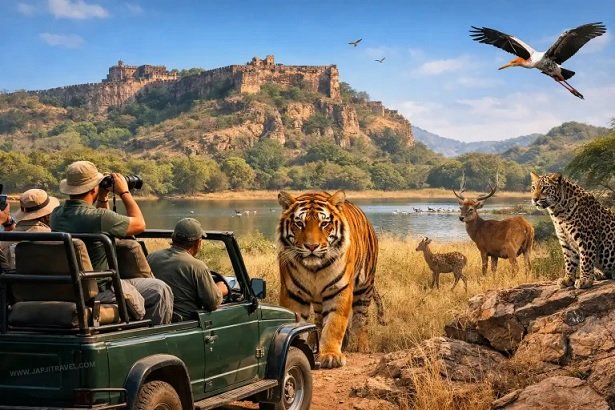
A ranthambore tour is one of the most exciting wildlife experiences you can have in India. Known for its majestic Bengal tigers, dramatic landscapes, and ancient ruins, Ranthambore offers a rare mix of adventure, history, and nature. Whether you are a wildlife enthusiast, a photographer, or a traveler looking to add something unique to your itinerary, this guide covers everything you need to know before visiting Ranthambore.
Introduction to Ranthambore
Located in southeastern Rajasthan, Ranthambore National Park is one of India’s most famous national parks. Spread across dry deciduous forests, lakes, and rocky hills, the park is best known for its high tiger density and open terrain, which increases the chances of sightings.
Once a royal hunting ground for the Maharajas of Jaipur, Ranthambore is now a protected wildlife reserve and part of India’s Project Tiger initiative. A well-planned ranthambore tour lets you experience wildlife conservation up close while enjoying Rajasthan’s raw natural beauty.
Best Time to Visit Ranthambore
Choosing the right time is crucial for a successful ranthambore tour.
- October to February: Pleasant weather and lush greenery. Ideal for general sightseeing and birdwatching, though tiger sightings can be slightly less frequent.
- March to June: Hot but excellent for tiger spotting, as animals gather near water sources. April and May are peak months for sightings.
- July to September: The park remains closed due to the monsoon.
If wildlife sightings are your top priority, summer months are the best choice despite the heat.
Safari Experience in Ranthambore
The highlight of any ranthambore tour is the jungle safari. Safaris are conducted in two modes:
- Jeep Safari (6-seater): More flexible and ideal for photographers.
- Canter Safari (20-seater): Budget-friendly and suitable for groups.
The park is divided into zones, each offering unique landscapes and wildlife experiences. While tiger sightings are never guaranteed, Ranthambore is known for daytime tiger movement, making it one of the best places in India to spot them in the wild.
Wildlife You Can Expect to See
Apart from tigers, Ranthambore is home to a rich variety of flora and fauna:
- Leopards
- Sloth bears
- Sambar and chital deer
- Nilgai (blue bull)
- Crocodiles near lakes
- Over 300 species of birds
This diversity makes a ranthambore tour rewarding even if you don’t spot a tiger.
Ranthambore Fort and Other Attractions
Beyond wildlife, Ranthambore has a strong historical appeal.
- Ranthambore Fort: A UNESCO World Heritage Site offering panoramic views of the park.
- Padam Talao: The largest lake in the park, often frequented by wildlife.
- Jogi Mahal: A heritage structure near the lake.
Including these attractions adds depth to your ranthambore tour and balances adventure with culture.
How to Reach Ranthambore
Ranthambore is easily accessible from major cities:
- By Train: The nearest station is Sawai Madhopur, well-connected to Delhi, Jaipur, and Mumbai.
- By Road: About 3–4 hours from Jaipur.
- By Air: Jaipur International Airport is the closest major airport.
Most ranthambore tour packages include transfers for convenience.
Where to Stay
Accommodation options range from budget hotels to luxury jungle resorts:
- Budget lodges for backpackers
- Mid-range hotels with modern amenities
- Luxury resorts offering guided safaris and nature walks
Staying close to the park gates saves travel time and enhances your safari experience.
What to Pack for Your Ranthambore Tour
Packing smartly can make your trip more comfortable:
- Neutral-colored clothing (avoid bright colors)
- Comfortable walking shoes
- Hat, sunglasses, and sunscreen
- Camera with zoom lens
- Light jacket for early morning safaris
Remember to carry valid ID for safari entry.
Travel Tips and Safety Guidelines
- Book safaris in advance, especially during peak season.
- Follow park rules strictly; silence increases wildlife sighting chances.
- Avoid feeding or disturbing animals.
- Respect local culture and eco-friendly practices.
These tips ensure your ranthambore tour is safe, ethical, and enjoyable.
Combining Ranthambore with Other Indian Tours
Many travelers combine Ranthambore with Rajasthan’s Golden Triangle destinations like Jaipur, Agra, and Delhi. Others prefer contrasting experiences by pairing wildlife adventures with backwater and beach holidays. For example, travelers often balance a rugged ranthambore tour with relaxing kerala india tours, which offer serene landscapes, houseboats, and lush greenery.
This combination allows you to experience India’s incredible diversity—from dry forests and tigers in Rajasthan to tropical beauty and calm waters in Kerala.
Final Thoughts
A ranthambore tour is much more than a wildlife trip—it’s a journey into India’s natural and historical heritage. From thrilling tiger safaris and ancient forts to scenic lakes and rich biodiversity, Ranthambore promises unforgettable memories. Whether you’re planning a standalone wildlife getaway or combining it with cultural routes or kerala india tours, Ranthambore deserves a place on your travel list.
With proper planning, the right season, and a spirit of adventure, your Ranthambore experience will be nothing short of extraordinary.