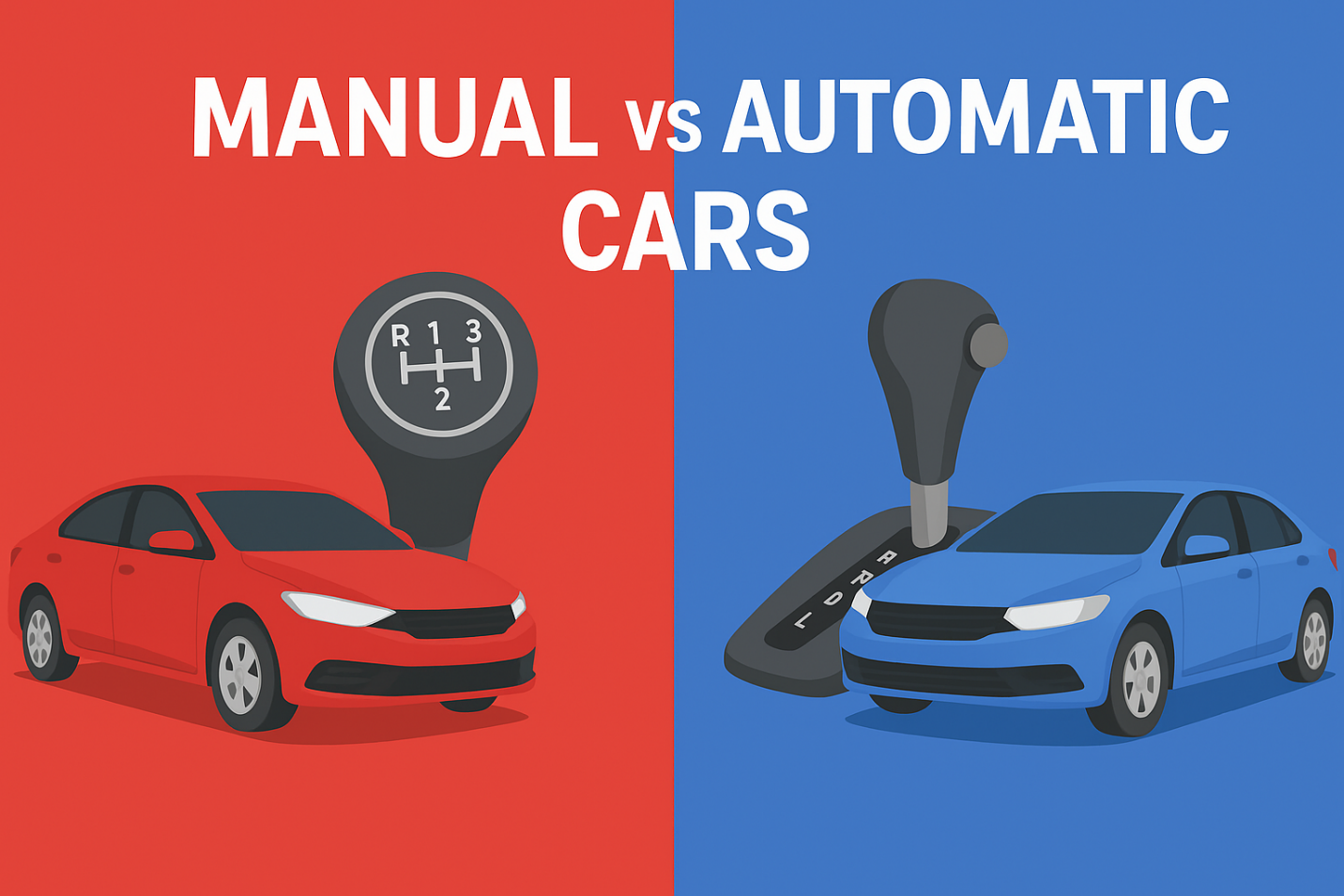
Choosing between a manual or automatic car is a decision every driver faces at some point. Both types of vehicles have their advantages and disadvantages, depending on your driving style, budget, and lifestyle. This article will help you understand the key differences, benefits, and factors to consider so you can make an informed decision. Meanwhile, if you want to check out Tongits games, visit GameZone now!
Understanding Manual and Automatic Cars
Manual cars, also known as stick-shift cars, require the driver to operate a clutch pedal and shift gears manually. Drivers have complete control over the engine’s power and gear selection, which can make driving more engaging for enthusiasts.
Automatic cars, on the other hand, handle gear changes automatically using a transmission system. Drivers only need to focus on the accelerator and brake, making them easier and more convenient to drive, especially in heavy traffic.
Key Differences Between Manual and Automatic Cars
1. Driving Experience
Manual cars provide a more engaging driving experience. You can control the power output and engine performance by choosing the right gear. This makes manual cars particularly appealing for driving enthusiasts who enjoy a hands-on experience.
Automatic cars offer convenience and ease of use. There’s no need to worry about clutch control or shifting gears, which makes them ideal for city driving or long commutes where stop-and-go traffic is common.
2. Fuel Efficiency
Historically, manual cars were more fuel-efficient because drivers could optimize engine performance. However, modern automatic transmissions, especially CVTs (Continuously Variable Transmissions) and dual-clutch systems, now rival or even surpass manual cars in fuel economy.
3. Maintenance and Repair Costs
Manual transmissions are generally simpler in design, which can make repairs and maintenance cheaper over time. Clutch replacements may be necessary depending on driving habits, but they are typically less frequent than major automatic transmission repairs.
Automatic transmissions are more complex, involving sophisticated electronics and hydraulic systems. Repairs and maintenance tend to be more expensive, and potential issues can be harder to diagnose.
4. Vehicle Price
Manual cars are often cheaper to purchase than their automatic counterparts, sometimes by several thousand dollars depending on the model. Automatic cars, especially those with advanced transmission systems, typically cost more upfront but may offer better resale value due to higher demand.
5. Learning Curve
Learning to drive a manual car takes more time and practice. You need to master clutch control, gear shifting, and timing to drive smoothly. Automatic cars are easier for beginners, as they allow the driver to focus on traffic and road safety without worrying about gear changes.
6. Performance
Manual cars can provide better acceleration control, making them preferable for performance driving or off-road situations. Automatic cars, particularly those with sport or manual mode, have also improved significantly, offering quick shifts and high-performance capabilities.
7. Resale Value and Market Demand
Automatic cars are in higher demand worldwide, especially in urban areas. This makes them easier to sell and sometimes more valuable on the resale market. Manual cars may appeal to a niche market of enthusiasts, which can limit resale options.
Factors to Consider When Choosing Between Manual and Automatic Cars
When deciding between manual and automatic, consider the following factors:
1. Driving Environment
- City Driving: Automatic cars are usually better for congested city roads because they reduce the stress of constant clutch operation and gear changes.
- Rural or Open Roads: Manual cars can be enjoyable in rural areas with smooth roads and less traffic, allowing drivers to make the most of the vehicle’s performance.
2. Budget
- Initial Cost: Manuals are generally cheaper to buy.
- Maintenance Cost: Manuals often cost less to maintain, while automatic repairs can be more expensive.
- Fuel Cost: Check current fuel efficiency stats for both types; modern automatics may offer savings over manuals.
3. Driving Skill and Preference
- If you enjoy a hands-on, engaging driving experience, a manual may suit you.
- If convenience and ease are more important, an automatic car is a better choice.
4. Long-Term Considerations
Automatic cars may be more practical for long-term ownership, especially in urban settings, because they are easier to drive and have broader resale appeal. Manual cars may hold appeal for driving enthusiasts but could be less practical for everyday commuting.
5. Traffic Conditions
Heavy traffic can be tiring in a manual car due to constant clutch use. Automatic cars excel in stop-and-go traffic by reducing driver fatigue.
Pros and Cons of Manual Cars
Pros:
- Cheaper initial purchase price
- Lower maintenance costs
- Better control in certain driving conditions
- Engaging driving experience
Cons:
- Learning curve can be steep for beginners
- More tiring in heavy traffic
- Lower demand may affect resale value
Pros and Cons of Automatic Cars
Pros:
- Easier and more convenient to drive
- Ideal for city traffic and long commutes
- Modern automatics can match or exceed fuel efficiency of manuals
- Higher resale value in most markets
Cons:
- Higher purchase price
- More expensive repairs and maintenance
- Less engaging for driving enthusiasts
Tips for Choosing the Right Car for You
- Test Drive Both: Spend time driving both manual and automatic cars to see which feels more comfortable and enjoyable.
- Consider Your Daily Routine: Think about your commute, traffic conditions, and driving frequency.
- Budget Wisely: Factor in purchase cost, fuel efficiency, insurance, and maintenance.
- Future Plans: Consider how long you plan to keep the car and how easy it will be to resell.
Conclusion: Which One Should You Pick?
The choice between a manual and automatic car ultimately depends on your lifestyle, driving habits, and personal preferences.
- Choose Manual if you value lower cost, full control, and an engaging driving experience, especially if you enjoy driving on open roads or rural areas.
- Choose Automatic if convenience, ease of use, and comfort in traffic are your priorities, particularly for urban commuting.
Both options have their merits, and understanding the differences ensures you make a choice that fits your needs. With modern technology, automatic cars have become more efficient and reliable, while manual cars continue to appeal to enthusiasts and budget-conscious buyers. Assess your driving style, lifestyle, and long-term goals to pick the car that will serve you best.


