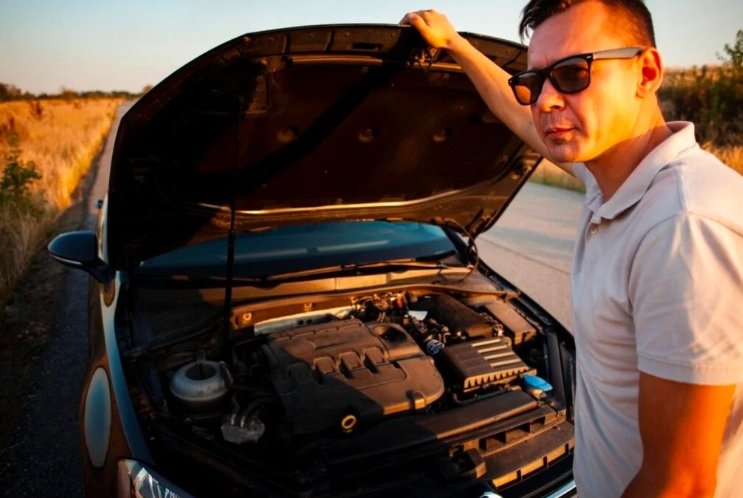
Ever wondered what happens when you ignore an oil pressure drop in Dubai and just keep driving? In Dubai’s brutal heat, that tiny red light on your dashboard can turn into a full-blown engine failure faster than you think. Ignoring a sudden oil pressure warning is not just risky; it’s a one-way ticket to a seized engine or a massive repair bill. Whether you’re cruising Sheikh Zayed Road or stuck in bumper-to-bumper traffic, engine oil pressure is one thing you never want to take lightly.
What Causes Oil Pressure Drop in Dubai?
That warning light isn’t just annoying. It’s the only thing standing between your engine and real damage. And when you’re driving through Dubai’s heat, that damage happens faster than you’d expect. Let’s talk about what really causes oil pressure drop in Dubai, no guesswork, just what actually goes wrong under the hood.
- Low Engine Oil Level
This is the most common reason. If your engine’s running low on oil, pressure drops. Simple as that. In Dubai’s heat, oil burns faster, especially in older engines. A car that runs fine in winter might need top-ups every 1,500–2,000 km in summer. - Worn Engine Bearings
Inside your engine are metal bearings that control how parts move. Over time, especially past 150,000 km, they wear out. As the gaps widen, oil flows too quickly, and pressure falls. Dubai’s start-stop traffic only makes this wear worse. - Oil Pump Failure
The oil pump is like the engine’s heart. It pushes oil where it needs to go. But if it weakens, seizes, or gets blocked, pressure vanishes almost instantly. Cheaper aftermarket pumps often fail early, especially in engines stressed by heat. - Clogged Oil Filter
Every time oil runs through the engine, it picks up metal dust and dirt. The oil filter catches that. But if you skip changes, or drive in dusty areas, it clogs. Oil can’t flow properly, and pressure drops as the engine fights to stay lubricated. - Wrong Engine Oil for Dubai’s Heat
Use the wrong oil, and your engine will suffer. Thin oils like 0W-20 or 5W-20 break down in high temperatures. Once that happens, pressure falls. For Dubai, most cars need 5W-30 or thicker to handle real-world summer driving. - Internal or External Oil Leaks
A cracked gasket, loose oil plug, or hairline block fracture, they all cause leaks. Sometimes you won’t see drips under the car, but the oil level still drops. And when it does, pressure follows. In Dubai, even a small leak can turn into a major issue within days.
An oil pressure drop in Dubai isn’t something you wait on. Engines run hotter here. Oil breaks down faster. And small problems grow quickly. Knowing what causes the drop? That’s how you prevent the breakdown.
Early Warning Signs of an Oil Pressure Drop
Most people only notice low oil pressure when it’s too late. But the signs show up earlier, if you know what to look for. And in a city like Dubai, early signs of an oil pressure drop in Dubai matter more than ever. These are the real symptoms we’ve seen in cars brought to our Auto Workshop in Dubai with an oil pressure drop in Dubai. Some are subtle. Others scream trouble. Either way, they all point to one thing, engine damage if ignored.
- Oil Pressure Warning Light
That red oil can symbol on your dashboard? It’s not a suggestion. It lights up when pressure drops below 5–10 PSI at idle. Even a flicker means something is off, usually oil level, pump output, or filter blockage. Don’t wait for it to stay on solid. By then, the damage has already started. - Ticking or Knocking Sounds from Engine
Low pressure means oil isn’t getting to vital moving parts. When metal parts touch without enough oil, you hear a ticking or knocking noise. This happens first in the valve train, especially during startup. Once it reaches the crankshaft or bearings, repair costs go up fast. - Sudden Drop in Engine Performance
If your car feels sluggish, takes longer to respond, or hesitates while accelerating, pressure might be falling. When oil can’t flow properly, the engine starts compensating. You may not notice it right away, but it gets worse quickly, especially under heat stress on Dubai roads. - Burning Oil Smell or Smoke
A burning smell, especially with a bit of blue smoke from the exhaust, means oil is leaking or being burned inside the engine. This can lower oil levels fast. If ignored, it leads directly to low pressure. This is common with older engines or poor-quality gaskets, both leading to oil pressure drop in Dubai, especially during long drives. - Unusual Oil Level Readings
If your dipstick reading drops often, even after a top-up, something is wrong. Oil could be leaking or burning. And if the oil level keeps falling, pressure will too. Many Dubai drivers experience this when driving long distances with weak seals or worn components. - High Engine Temperature
Oil helps regulate engine heat. When pressure drops, parts don’t cool properly. This leads to a hotter engine, even if your coolant is fine. If your temp gauge climbs higher than normal, especially during traffic or AC load, it could be oil starvation, not a coolant issue.
The earlier you catch these signs, the easier the fix. Ignoring an oil pressure drop in Dubai isn’t just risky, it’s avoidable. We’ve repaired too many engines that didn’t need to be damaged. But it always starts with the signs no one acted on.
What Happens If You Keep Driving With Low Oil Pressure?
You might think your car can push through a low oil warning. But what’s really happening inside the engine is far worse than most people realize, and in Dubai, it happens faster. These are the real consequences of ignoring an oil pressure drop in Dubai, based on actual cases we see weekly in our repair bay.
- Metal Starts Grinding
When oil stops reaching key parts, there’s nothing to stop metal components from rubbing against each other. Pistons, camshafts, and crankshafts take the brunt. The more you drive, the more they wear, and that damage can’t be undone. - Engine Gets Too Hot
Oil keeps temperatures in check. Without it, heat builds fast. In Dubai’s climate, internal temperatures can spike dangerously within minutes. Overheated engines often warp or blow a head gasket, both common results of an oil pressure drop in Dubai. - Bearings Break Down
Engine bearings rely on pressurized oil. When that pressure’s gone, they start to overheat and wear out. Once they’re damaged, the engine needs to come apart. Replacing them can cost more than most people expect. - Oil Turns to Sludge
Poor oil flow leads to contamination. Over time, oil thickens and sticks to internal parts. That sludge blocks narrow oil channels, especially in engines with turbochargers, which are already under pressure in Dubai traffic. - Engine Suddenly Seizes
You might be able to drive with low pressure for a while, or not. We’ve had cars come in with full engine seizure after just 30–40 minutes of highway driving. Once seized, there’s no restart. - You’ll Need a New Engine
If the block cracks or pistons lock, the engine’s done. At that point, repairs aren’t enough. You’re looking at a full replacement, often costing 12,000 to 25,000 AED, depending on your make and model.
Ignoring an oil pressure drop in Dubai is gambling with your engine, and in this city, that gamble ends quickly. Waiting turns it into a full-blown engine job.
How Mechanics Really Check Oil Pressure Problems
You can’t rely on guesses when it comes to engine pressure. And in a place like Dubai, where engines run hotter than usual, proper diagnosis isn’t optional, it’s urgent. Here’s how we professionally diagnose an oil pressure drop at our Best Car Garage Dubai, step-by-step, with real tools and real checks.
- Start With the Dipstick
First thing we do? Check your engine oil level the old-fashioned way. If it’s low, we inspect for leaks or signs of oil burn-off. In Dubai’s climate, even a minor leak or evaporation loss shows up quickly between services. - Listen to the Engine
Sounds tell stories. If we hear ticking or knocking, especially during cold starts or idling, that’s a sign of poor oil circulation. Those noises usually come before any major engine failure, and they’re often missed if you wait too long. - Check Oil Quality
Pressure problems aren’t just about quantity, oil condition matters too. We check for signs of sludge, fuel dilution, or oil that’s gone watery from extreme heat. Wrong oil viscosity is one of the most common causes we find in Dubai repairs. - Manual Pressure Gauge Test
We don’t just trust warning lights. We connect a mechanical oil pressure gauge to the engine to see the actual pressure numbers. If the pressure is below the manufacturer’s range (often under 10–15 PSI at idle), we know there’s a deeper problem. - Scan the Oil Pressure Sensor
The oil pressure sensor itself could be laying. We use diagnostics tools to scan for sensor faults or wiring issues. A failed sensor can trigger warnings even when pressure is fine, or worse, hide a real problem that’s building quietly. - Inspect the Oil Pump & Filter
If pressure is low and oil level is fine, we go deeper. We check the oil pump for wear, gear damage, or clogging. We also inspect the oil filter, a blocked filter or a faulty bypass valve can quietly starve your engine.
We don’t guess when it comes to low oil pressure in Dubai, and neither should you. Proper diagnosis not only saves your engine, but it also keeps you from wasting money replacing the wrong parts.
Stop the Damage before It Starts: How to Prevent Oil Pressure Drop in Dubai’s Heat
Dubai’s heat is brutal, not just for drivers, but for engines too. And if there’s one thing we know from experience, it’s this: most cases of oil pressure drop in Dubai were preventable. We fix them daily. But here’s how you can avoid them entirely. Below are the exact habits and checks we recommend to customers who want to keep their engines healthy and avoid low pressure surprises.
- Use the Right Oil for This Climate
If you’re still using 0W-20 in Dubai, stop. It thins out in the heat and can’t hold pressure. Switch to 5W-30 or 10W-40, oils made for high-temp conditions that won’t break down during slow traffic or long drives. - Never Skip Oil Changes
Every delayed oil change increases sludge and friction. In our garage, we’ve opened engines running thick, black oil at just 7,000 km. In dusty conditions, stick to 5,000–7,000 km intervals, no shortcuts. - Keep an Eye on Oil Levels
With this heat, oil burns faster, even in newer cars. Pull the dipstick every 2 weeks, especially if your car does long daily commutes or sits in traffic. A small drop in oil today could mean pressure loss tomorrow. - Don’t Ignore Leaks
Minor leaks become major problems quickly? We see it all the time, a few drops under the engine turn into full oil pressure failure. Gaskets, seals, and drain plugs crack faster in heat. If you smell burning oil, it’s time for a check. - Avoid Cheap Oil Filters
A bad filter can block flow, strain the oil pump, and lead to low pressure without warning. Always replace the filter with every oil change, and choose quality high-flow brands that can handle Dubai’s dusty roads and extreme heat. - Drive Smart in Summer
Long idling, constant high speeds, or heavy loads push the engine to its limits. If you’re driving mid-day with full AC, doesn’t stress the engine more than it can take, it affects how oil moves and how well pressure holds up. - Get a Pressure Check Every 10,000 KM
We recommend a routine oil pressure test every 10,000 km, especially if your engine is past 100,000 km or you’re driving daily. This simple check has saved dozens of engines from early wear, overheating, and full replacement.
Truth is, an oil pressure drop in Dubai doesn’t usually come out of nowhere, the warning signs show up first. But prevention? That starts here. And we’re here when you’re ready to act before it’s too late.
Ignoring an oil pressure drop in Dubai isn’t just risky , it’s expensive. We’ve seen good engines ruined over something as simple as skipping a checkup or driving too long on old oil. The harsh truth? Dubai’s heat doesn’t give second chances. If your oil pressure drops, even for a short time, that damage builds fast , and by the time you hear knocking or see smoke, it’s already too late.
But it doesn’t have to go that far. If you’re unsure, if the warning light came on even once, or if you haven’t had a pressure test in a while , bring your car in. We’ll inspect everything that matters and give you the honest truth about your engine’s condition. It’s one of those small things that saves you from the big ones later.