Thinking about investing in classic style cars?
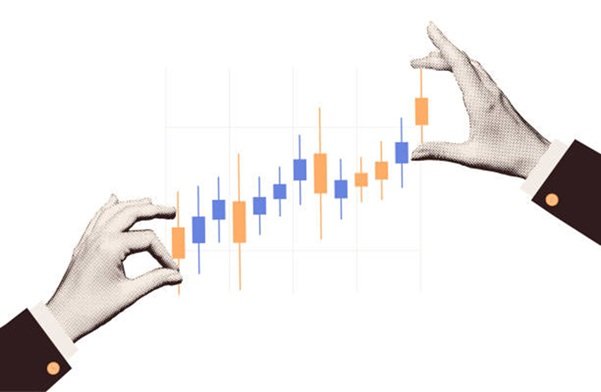
Good for you. The collector car market has shown itself to be a valid alternative investment avenue with real profit potential. In fact, the global classic car market is expected to reach USD 77.8 billion by 2032 from USD 39.7 billion in 2024.
Impressive figures, right?
But here is the thing…
Not all classic cars are going to appreciate in value. Some will be winners and others losers. Knowing what to buy and what to avoid is the difference between building a collection or watching your money rot.
In this guide:
- Exploring why classic cars hold value
- Appreciation factors
- Classic style cars to target
- Mistakes to avoid when investing
Exploring why classic cars hold value
Classic style cars aren’t just pretty metal on wheels gathering dust in someone’s garage. These are tangible assets with investment value.
The difference is kind of simple…
Buying stocks, bonds, or commodities is an exchange of paper or metal (stocks or cash) for a piece of a company. When you buy a classic car, you own a tangible asset you can drive, enjoy, and appreciate.
Think about that…
The automotive hobbyist is no longer a baby boomer that grew up in the ’70s and ’80s. Younger collectors with cash to burn and no interest in manual transmissions are entering the hobby at the same time that older enthusiasts are aging out and their kids have no interest.
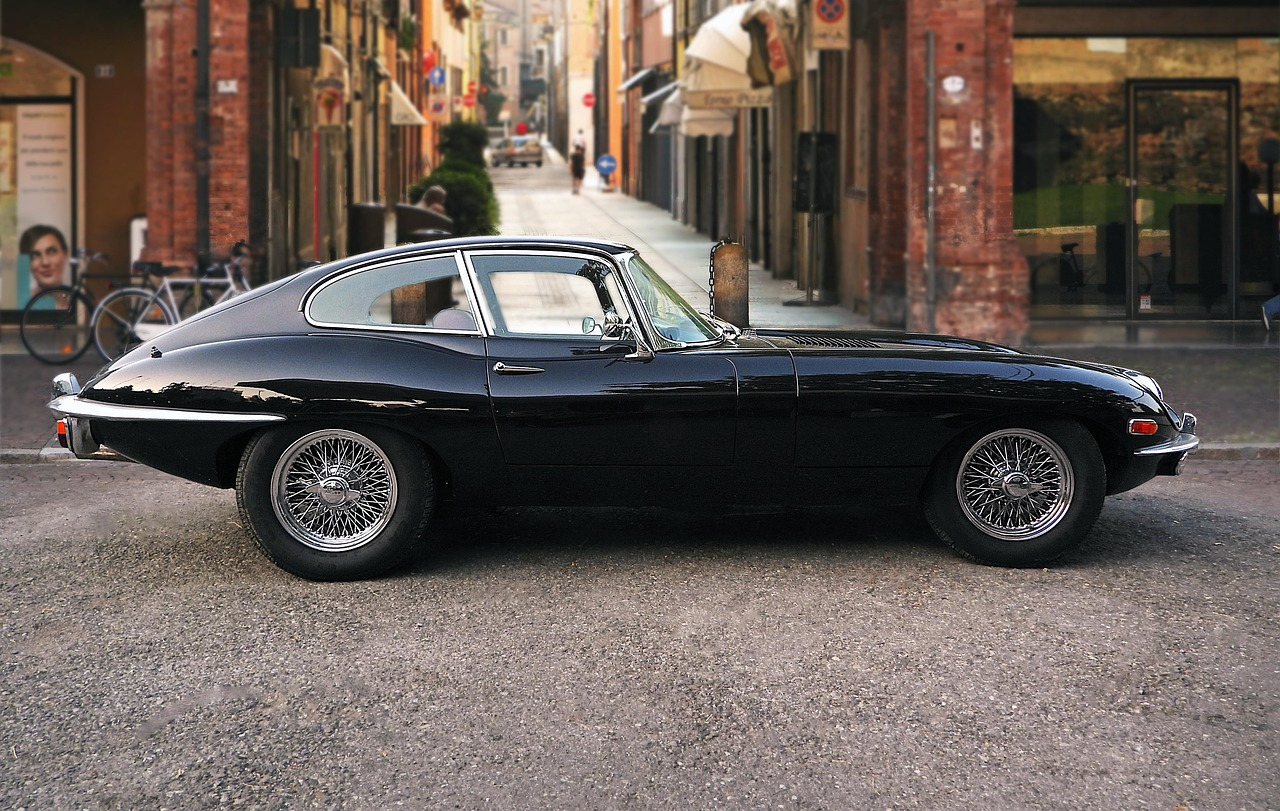
Classic cars that remain in demand retain their status as investment assets. Iconic classic style cars like the gt350 shelby 1967, that defined a generation and set the standard, remain highly sought after.
Collecting American muscle in particular still holds real investment potential because performance heritage, genuine rarity, and vintage American design are traits you cannot find to the same degree from modern vehicles.
The numbers support the reality…
North America held approximately 45% share of the global classic car market in 2024 and it is the epicenter of the collector car market in terms of high interest and buying power.
Factors that drive classic car appreciation
Ever wondered what drives a car to double in value while the other sits at the same price?
The truth is there are critical factors like…
- Rarity – the fewer made, the better
- Condition – matching numbers/original mean big money
- Documentation – maintenance/service history is important
- Iconic status – race provenance/movie history helps
- Brand reputation – some makers retain value better
Buyers who understand that the most sought after examples are the cream of the crop see the most success when collecting.
Buying the best example available to you instead of multiple low-level collectibles is the only way to increase the value over time.
Simple, right?
There is more to collecting, though. You have to factor in supply, demographics, timing, and the overall health of the market.
Classic style cars to target
Here are the cool part of the story…
Classic cars are undergoing a generational shift in demand. Baby boomers are the largest collector car buyer demographic. Generation X and Millennials are taking their place but with different preferences.
American muscle
While traditional American performance cars remain strong (and in many cases getting better), not all muscle is created equal. Ultra-rare Mopars with Hemi engine options continue to show strong appreciation.
Cars like the 1969 Dodge Charger Daytona, 1970 Chevrolet Chevelle SS and early Ford Mustang Boss cars are the cream of the classic style crop. Heritage and genuine scarcity in these packages rarely find themselves repeating.
European classics
Mid-engine classics with a motorsport or world championship history like 1970s and 1980s Porsche 911s have seen impressive appreciation. The air-cooled models in particular appeal to driving purists and are extremely desirable.
Ferrari and Lamborghini are also seeing attention as classic style cars at major auctions.
Emerging categories
Cars from the 1980s and 1990s are just entering the classic market. Models like the BMW E30 M3 or Japanese cars now allowed in under the 25-year rule are highly accessible. You can often buy a quality example for a price that appreciates rapidly after ten years.
Collectors can often enjoy both watching and driving these younger classic style cars as the population ages and the number of active drivers shrinks.
Classic cars mistakes to avoid
Let me be blunt…
Most investors who lose money at classic cars make the same errors. Understanding the mistakes collectors make can save you thousands.
- Buying a car because you love it
- Neglecting restoration costs
- Ignoring documentation history
- A window sticker alone says little about maintenance
- Poor storage facilities
- Garages full of damp and old cars are a non-starter
- Not getting pre-purchase inspections
- You want to know what is wrong before you buy
The classic car market has made fools of those who try to make a quick buck. If you are in it to flip vehicles for a profit, you will likely lose your shirt.
Smart collectors collect cars they love and hold the assets until market forces force them to sell.
Enjoy the ride
Unlike a boring index fund, your classic car investment is something you can enjoy. These are vehicles you can drive and that make you happy when you see them in a showroom or get them out of storage.
Classic car investing is the most fun you can have while still making money.
How to invest in classic cars: a profitable strategy
If you are serious about investing in classic cars, follow this…
- Do your homework
- Buy the best condition available within your budget
- Think long-term
- Diversify your holdings (risky to put all eggs in one basket)
- Do not get discouraged by short-term ups and downs
Successful collectors are those that enjoy the hobby while still making money. Driving and showing your investment cars makes classic car collecting unique.
Final thoughts: classic style cars as an investment
Classic style cars are a viable alternative investment to stocks, real estate, and traditional vehicles. The market is growing with the right classic cars commanding more impressive values at the right time.
It does take work though…
Doing research, going to auctions and shows, and networking with other collectors is the best way to learn the business. Established collectors have made their mistakes and made their money. You can learn from both.
Knowing the investment value of classic cars and knowing the cars themselves is the key to success. Apply these principles, and you are well on your way.
Your turn.