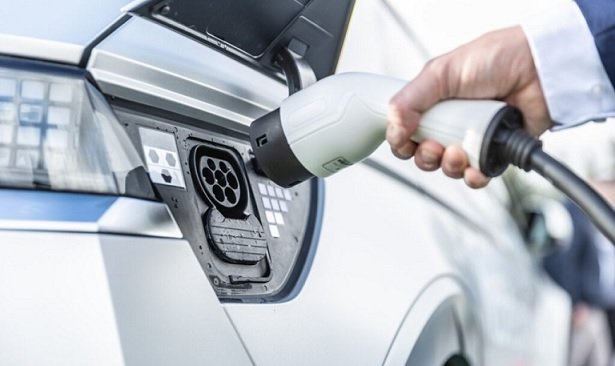
Bristol has established itself as one of the UK’s greenest cities, and this environmental commitment is reshaping how residents approach vehicle ownership. The proliferation of workplace charging points across the city is fundamentally altering the car-buying landscape, making electric vehicles (EVs) a practical option for workers who might have previously dismissed them due to charging concerns.
As more Bristol employers install charging infrastructure, employees are discovering that range anxiety becomes far less significant when they can top up their batteries during working hours. This shift is creating a ripple effect throughout the local automotive market, influencing everything from purchase decisions to finance options. Let’s explore how workplace charging is transforming Bristol’s relationship with electric mobility.
The Bristol Workplace Charging Revolution
Bristol City Council has been proactive in encouraging businesses to install EV charging points, offering grants and support schemes that have accelerated adoption. Major employers across the city, from the aerospace sector in Filton to tech companies in Temple Quay, have embraced this infrastructure investment. The result is a growing network of workplace chargers that’s making EV ownership increasingly attractive.
For many Bristol workers, the ability to charge at work has eliminated the primary barrier to electric vehicle adoption. Those living in terraced houses or flats without off-street parking previously found EVs impractical, but workplace charging has changed this calculation entirely. They can now arrive at work with a partially depleted battery and leave with a full charge, often at no cost to themselves.
This workplace infrastructure has created a unique opportunity for employees to transition to electric vehicles without the expense of installing home charging points. The convenience factor alone is persuading many to reconsider their next vehicle purchase.
Finance Options Adapting to Electric Demand
The surge in EV interest has prompted finance providers to develop products specifically tailored to electric vehicle purchases. Traditional concerns about battery degradation and resale values are being addressed through innovative finance structures that reflect the evolving market reality.
Bristol car finance providers have noticed a significant uptick in applications for electric vehicles, particularly from employees at companies with established charging infrastructure. This trend has led to more competitive rates for EVs as lenders recognise the growing demand and lower running costs associated with electric motoring.
Many buyers are discovering that while EVs typically have higher purchase prices, the total cost of ownership can be lower when factoring in reduced fuel expenses, minimal maintenance requirements, and tax advantages. Finance agreements are increasingly structured to highlight these long-term savings rather than focusing solely on monthly payments.
The Employer Perspective
Bristol businesses aren’t installing charging points purely from environmental goodwill. It’s becoming a valuable employee benefit that aids recruitment and retention. Companies are finding that offering workplace charging can differentiate them from competitors when attracting talent, particularly among environmentally conscious professionals who form a significant portion of Bristol’s workforce.
Some employers subsidise or provide free electricity for charging, effectively offering employees a considerable financial benefit. For someone commuting daily, this can represent savings of £100-£150 monthly compared to petrol costs. Such savings make the higher initial cost of an EV far more palatable and can justify premium finance payments.
Real-World Impact on Vehicle Choices
The data tells a compelling story. Bristol has one of the highest rates of EV adoption outside London, and workplace charging availability correlates strongly with purchase decisions. Employees with guaranteed access to workplace chargers are three times more likely to choose an electric vehicle for their next purchase compared to those without this facility.
This isn’t limited to fully electric vehicles either. Plug-in hybrids have also benefited from workplace charging infrastructure, offering a middle ground for buyers who aren’t quite ready to commit fully to electric motoring. These vehicles allow drivers to complete their daily commute on electric power while retaining the flexibility of a petrol engine for longer journeys.
Challenges and Considerations
Despite the advantages, workplace charging isn’t without complications. Not all employers can offer guaranteed charging spots, and competition for available points can be frustrating. Some companies operate booking systems or rotation schedules, which requires planning and flexibility from employees.
There’s also the question of what happens if someone changes jobs. Buyers who’ve based their vehicle choice partly on workplace charging availability need to consider whether their next employer will offer the same facilities. This uncertainty can make some hesitant about committing to an EV, particularly if home charging remains impractical.
Closing Remarks
The trajectory is clear: workplace charging will continue expanding across Bristol, and this infrastructure will keep influencing vehicle purchasing decisions. As the city works towards its ambitious carbon-neutral targets, employers will face increasing pressure to provide EV charging facilities, creating a positive feedback loop that encourages more electric vehicle adoption.
For prospective car buyers in Bristol, the availability of workplace charging has transformed the decision-making process. What was once a niche choice reserved for early adopters has become a genuinely viable option for mainstream motorists. The combination of accessible charging infrastructure, improving vehicle technology, and supportive finance options means that electric vehicles are no longer just environmentally responsible choices but increasingly practical and economical ones too.