Advances in technology continue to influence how industries operate, pushing expectations for productivity, safety, and performance higher each year. From automation in manufacturing to AI-driven analytics, innovation has become a constant driver of change. Freight transportation is no exception. One of the most influential tools shaping fleet operations today is telematics, a technology that enables real-time tracking and analysis of vehicle activity.
An Overview of Telematics
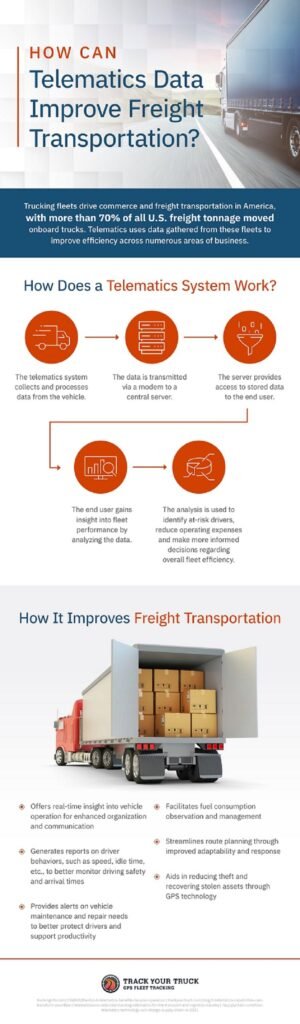
Telematics brings together communication systems and data collection to capture detailed information from vehicles on the road. In the freight and logistics space, it refers to digital platforms that rely on GPS technology and onboard sensors to monitor location, performance, and driver behavior.
These systems collect data points such as fuel usage, engine condition, speed, route progress, and braking activity. The information is transmitted to centralized dashboards where fleet managers can review patterns and trends. With this level of visibility, decision-makers gain the insight needed to improve safety practices, reduce operating costs, and maintain consistent service levels.
Whether referred to as vehicle telematics or fleet telematics, the purpose remains the same. The technology delivers real-time data that supports smarter, more efficient fleet management.
Operational Benefits for Modern Fleets
Telematics plays a significant role in strengthening daily fleet operations. By analyzing driver behavior, managers can identify habits like speeding, harsh braking, or unnecessary idling. This information makes it easier to provide targeted coaching, encourage safer driving, and lower the risk of accidents and violations. Over time, these efforts help build a culture of accountability and professionalism among drivers.
Another major advantage is predictive maintenance. Continuous monitoring of vehicle diagnostics allows potential issues to be detected early, often before drivers notice a problem. Addressing maintenance needs proactively reduces breakdowns, extends vehicle life, and keeps deliveries on schedule.
Telematics also supports compliance and recordkeeping. The technology can log driver hours, document routes, and track inspection and maintenance schedules. When audits or disputes arise, having accurate, time-stamped data helps protect both the fleet and its drivers.
Together, these capabilities contribute to more efficient operations. Reduced downtime, improved safety, and consistent performance translate into better service and lower overall costs.
A Shift Toward Data-Driven Logistics
Across the global logistics industry, telematics adoption continues to grow. Large carriers and smaller regional fleets alike are using the technology to gain clearer oversight of their operations and make more informed decisions.
As telematics systems advance, they are increasingly integrated with artificial intelligence, automation, and predictive analytics. This allows fleets to move beyond reacting to problems and instead anticipate them. With better forecasting and planning, transportation networks become more flexible and resilient.
Today, telematics is no longer just a tracking solution. It has become a central element of modern fleet management, helping organizations operate with greater efficiency, safety, and long-term reliability.
For more information on telematics and how it can be used to improve operations, please see the accompanying resource from Track Your Track, a provider of fleet monitoring systems.