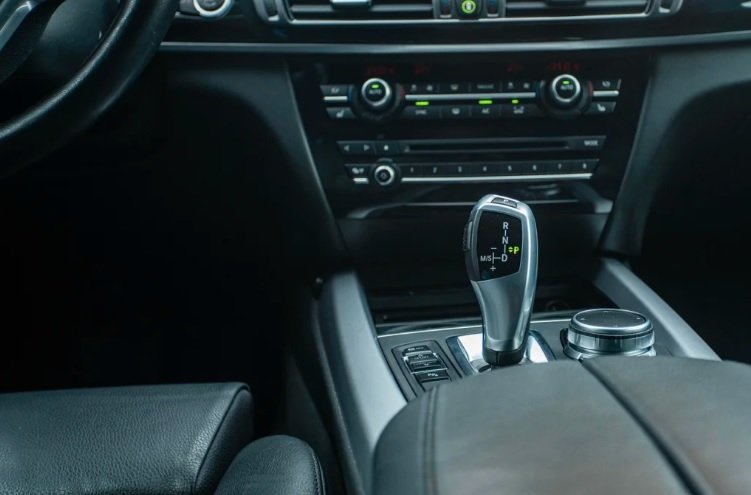
Curious how today’s cars are revolutionizing the car accident compensation claim process?
Car technology has advanced quicker in the last five years than ever before. Dashcams. Event data recorders. Automatic emergency braking. Self-driving features… the way car accident claims are being filed, investigated, and resolved looks almost nothing like it did just a few years ago.
But here’s the thing…
All of these new advancements work both for AND against accident victims. These technologies make proving fault ridiculously easy. But they also give insurance companies more opportunities than ever to deny and devalue your claim.
Let’s dive into exactly how new car technology impacts every stage of your car accident compensation claim:
- How Car Technology Is Shaping Accident Claims
- Everything You Need to Know About Event Data Recorders (Car “Black Boxes”)
- Dashcams and How Telematics Data Impacts Your Claim
- ADAS Technology & Determining Fault
- So What Does All This Mean for Your Car Accident Claim?
How Car Technology Is Shaping Accident Claims
Back in the day… cars really only had two technologies: seatbelts and airbags.
Things have changed.
Technology is everywhere in modern vehicles. Drivers have advanced driver assistance systems (ADAS), dashboard cameras, global positioning systems that track everywhere you drive… and event data recorders that store all of this information.
The influx of new technology in cars has flooded accident claims with digital evidence that changes how a claim gets handled from start to finish.
Insurance adjusters use this technology to determine fault, calculate damages, and even decide how much they’ll offer you for your car accident settlement. If you’ve been involved in a crash, hiring an experienced auto accident lawyer is more important now than ever before. They’ll make sure this tech works in your favour and not against you.
The Role of Event Data Recorders
Have you ever heard of an airplane’s black box? They’re designed to record any crucial flight data in the event of a crash.
Your car has one too. It’s called an event data recorder (EDR).
EDRs are now standard on most new vehicles. During a crash (and often before), they document critical information like:
- Your speed at impact
- If – and how hard – you hit the brakes
- Your steering patterns
- If your seatbelt was buckled
This data can be incredibly helpful to your car accident claim. EDR information eliminates a lot of speculation when it comes to investigating accidents.
But insurance companies have access to EDR data too. And they will use it against you whenever possible. If your EDR data shows you didn’t slam on the brakes before impact, it’s quite possible they’ll claim partial fault and reduce your settlement amount.
Dashcams & How Telematics Impact Your Claim
Dashcams are now one of the single most powerful tools for proving fault after an accident.
Here’s why: Dashcam footage shows EXACTLY what happened leading up to a crash. There’s no second guessing. No unreliable witnesses to interview. Just undeniable video evidence.
Dashcams aren’t the only game in town though. Telematics systems that monitor driving behaviour are quickly becoming standard on insurance policies across the country as well. These systems track:
- How you drive (speeding habits, hard acceleration, etc.)
- How you brake (hard stops)
- When you drive (late night driving)
- Where you drive (GPS data)
Insurers are beginning to use telematics data like this to evaluate claims too. If your data shows reckless driving leading up to a crash, it could seriously harm your ability to recover maximum compensation.
On the other hand… if your telematics data shows you were driving responsibly before an accident? It could help your case. But it works both ways.
Why ADAS Tech Complicates Fault
ADAS stands for “advanced driver assistance systems”. These are technologies like automatic emergency braking, lane departure warning systems, blind spot detection… anything designed to help YOU avoid a crash.
ADAS tech is everywhere these days. And studies show they’re working:
According to a major government study, automatic emergency braking alone reduced rear-end crashes by 50%.
See? They work.
But just because these systems exist doesn’t mean they don’t fail every once in a while. When they do… it creates tons of new questions about fault.
Who’s at fault if your car’s AEB system fails to activate during a crash?
- You?
- The manufacturer?
- The software programmer?
Questions like this never came up 10 years ago. But they make car accident compensation claims FAR more complicated these days.
Traffic deaths are actually predicted to go down thanks to all these safety features. NHTSA estimated there will be around 39,345 traffic fatalities in 2024. That’s a 3.8% decrease from the previous year. These safety systems are saving lives.
But when they fail…
Anyone who’s been in a car accident knows they can be traumatizing experiences. Add technological failures to the equation and you’ve got a disaster.
Determining liability can become even MORE complicated when ADAS technologies are involved in a crash. That’s why it’s more important than ever to have an advocate on your side who knows how these systems work.
What This Means For Your Car Accident Claim
So what does all of this new technology mean for you as an accident victim?
Documentation is king.
You can no longer simply file a claim and expect your insurance company to pay you what you deserve. Police reports and witness statements are still important… but CAR PROOF dominates modern accident claims.
Insurance companies have more ways to dispute your claim than ever before thanks to all this new technology. But that also means:
- You have more evidence to prove fault if something happens to you
- It’s more important than ever to hire a lawyer to navigate your claim
- You may be able to recover compensation from the car manufacturer as well
Like it or not… technology is here to stay. Car accident attorneys who know how to use it will have a huge advantage over those who don’t.
The best thing you can do to protect YOUR claim is to preserve all of the technology mentioned above after an accident.
The Bottom Line
Car technology is revolutionizing how insurance companies handle accident claims. Everything from EDRs to dashboard cameras to telematics data is giving insurers more proof than ever before to justify denying and devaluing claims.
But this new technology also works in your favour when it tells your story. Documenting your crash with technology can prove fault instantly and maximize your settlement amount.
Need a quick recap?
- Event data recorders are your friend (and your insurance company’s too). Make sure they tell your story.
- Dashcams give you undeniable evidence of what happened.
- Insurance companies have access to your telematics data. Make yours tell the truth.
- Fault can be complicated when driver assist technologies are involved. A knowledgeable car accident lawyer can help you sort it out.
- Preserving digital evidence after a crash is no longer optional. Do it immediately.