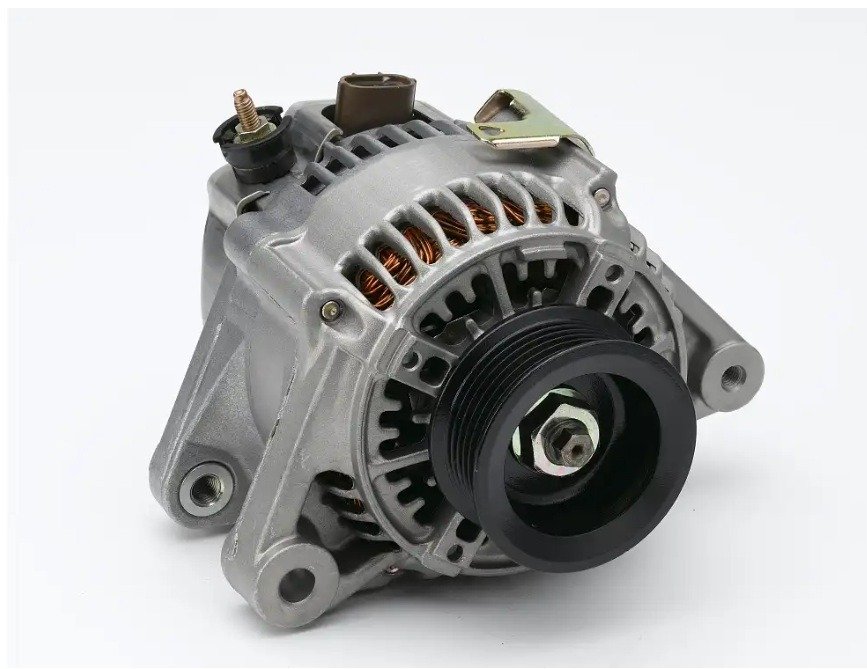
Your car’s alternator keeps the battery charged and powers everything electrical while you drive. When it starts to fail, you might end up with a dead battery or a car that won’t run. Many people ask: how long does an alternator last? The answer depends on a few things, but most last a good while if you take care of your car.
In simple terms, the average alternator lasts about 7 to 10 years or between 80,000 and 150,000 miles. Some go longer, up to 200,000 miles or more, while others fail earlier. This range comes from real-world use across many cars. Let’s break it down so you know what to expect and how to make yours last.
Average Lifespan of an Alternator
Most sources say an alternator will give you around 7 years of normal driving. In miles, that works out to 80,000 to 150,000 miles for the typical driver. If you drive about 12,000 to 15,000 miles a year, that lines up with the 7- to 10-year mark.
Some alternators last much longer. You hear stories of original ones going 200,000 miles or 10+ years, especially on well-maintained cars. On the flip side, heavy use or poor care can cut life down to 60,000 miles or less.
In 2026, modern alternators from good brands hold up well. They handle more electrical demands from things like screens, sensors, and safety features. Still, the basic lifespan stays in that 80,000-150,000 mile range for most people.
Factors That Affect How Long It Lasts
Several things decide if your alternator hits the high end of that range or fails early.
First, driving habits play a big role. Short trips and stop-and-go traffic are tough. The alternator does not get enough time to fully charge the battery, so it works harder. Long highway drives are easier on it.
Heat is a big enemy. Hot engine bays, especially in summer or traffic, make parts wear faster. Extreme cold can also stress it, though heat hurts more over time.
Electrical load matters a lot. If you add big accessories like loud sound systems, extra lights, or winches, the alternator has to work harder. Too much demand wears it out quicker.
Battery health ties in too. A weak or old battery makes the alternator push harder to keep things charged. Bad connections or corrosion add extra strain.
The quality of the alternator itself counts. OEM or top aftermarket ones last longer than cheap replacements. How well it’s installed and maintained also helps.
In places with extreme weather, like very hot or cold areas, expect shorter life. Dust, moisture, and road salt can cause issues over time too.
Signs Your Alternator Is Getting Old or Failing
You do not always get a warning, but these common signs show up when the alternator starts to go bad.
- Dashboard battery warning light comes on. This often means charging problems from the alternator.
- Headlights or interior lights look dim, flicker, or get brighter when you rev the engine.
- The battery dies often, even after a charge or jump-start. The alternator is not recharging it right.
- Electrical stuff acts weird—power windows move slow, radio cuts out, or dash lights glitch.
- You hear whining, growling, or grinding noises from the alternator area.
- The car stalls while driving, especially at idle, or has trouble starting.
- A burning rubber smell near the engine, from a slipping belt.
If you spot any of these, get it checked soon. A failing alternator can leave you stranded.
How to Make Your Alternator Last Longer
Good habits help your alternator reach or beat the average lifespan.
Keep up with regular car service. Check the battery, belts, and connections during oil changes. Clean terminals to stop corrosion.
Avoid overloading the system. Think twice before adding high-power extras without upgrading the alternator.
Drive longer trips when you can. This lets the alternator recharge the battery fully.
Fix small issues fast. A loose belt or bad battery puts extra work on the alternator.
Choose quality when you replace it. Go for trusted brands to get better life.
Watch for early signs and act. Testing at a shop is quick and cheap compared to towing.
When to Replace Your Alternator
If tests show low output or bad parts inside, replace it. Do not wait until the car dies on the road.
Replacement costs run $500 to $1,000 on average, including labor. Parts range from $200 to $600, depending on type and car.
Remanufactured ones cost less but may not last as long as new. OEM or good aftermarket give better reliability.
Get it done by a pro unless you have the tools and know-how.
For top alternator makers and more details on choices, learn more.
Final Thoughts
An alternator usually lasts 7 to 10 years or 80,000 to 150,000 miles with normal use. Good care, smart driving, and quick fixes on other parts can push it further.
Pay attention to warning signs like lights dimming or the battery light. Catch problems early to avoid bigger headaches.
Keep your electrical system in check, and your alternator will serve you well for years. For quality parts and more car tips, check out .