Why Parents Should Learn CPR
As a parent, your child’s safety is always your top priority. Whether it’s a choking incident, a sudden injury, or a medical emergency, knowing how to respond quickly can be the difference between life and death. CPR (Cardiopulmonary Resuscitation) is one of the most important life-saving skills you can learn, and being prepared for an emergency means that you’ll be able to act swiftly and confidently.
Many parents hesitate to take CPR courses because they feel unprepared or unsure of where to start. However, learning CPR doesn’t have to be overwhelming. With proper training, you can be equipped to handle emergencies at home, at school, or anywhere. CPR Certification Now offers affordable and convenient CPR courses designed specifically for parents, giving you the skills you need to protect your family.
Key Benefits of CPR Training for Parents
Learning CPR offers more than just the confidence to act in an emergency. Here’s why every parent should be CPR certified:
- Immediate Action: In a critical situation, being able to perform CPR right away can save a life before professional help arrives.
- Confidence in Emergencies: Knowing that you have the skills to react can reduce panic and help you stay calm during high-stress situations.
- Protection for All Ages: CPR courses cover techniques for adults, children, and infants, ensuring you’re prepared for any family member in need.
- Peace of Mind: Being certified provides peace of mind, knowing that you’re fully prepared to respond to a variety of emergencies.
With CPR Certification Now, you can access life-saving training that fits into your busy schedule and helps you keep your family safe.
Essential CPR Tips Every Parent Should Know
As a parent, there are a few CPR techniques that are especially important to understand. Here are some essential tips:
1. Know the Basics of Infant CPR
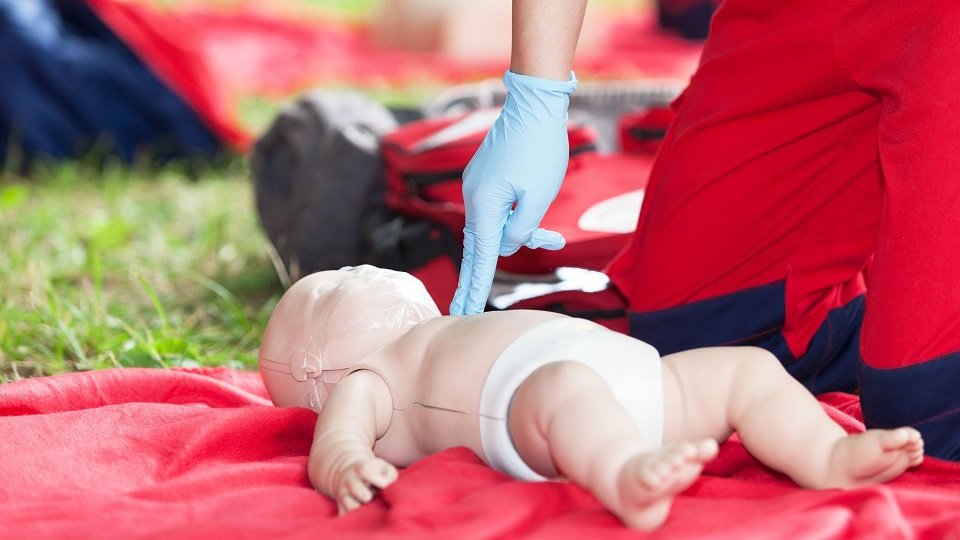
Infants (under 1 year old) require specific CPR techniques. Their small chest size and delicate airways mean that you should use your fingers rather than your hands for chest compressions. You also need to be careful not to apply too much pressure. Here’s a quick overview of infant CPR:
- Check for responsiveness: Tap the infant and call their name.
- Call for help: If the infant isn’t responding, call emergency services.
- Chest Compressions: Place two fingers on the center of the infant’s chest and push down gently (about 1.5 inches deep) at a rate of 100-120 compressions per minute.
- Rescue Breaths: Give two gentle rescue breaths, covering the infant’s mouth and nose with your mouth.
These techniques can help save your infant’s life in the event of cardiac or respiratory distress.
2. Child CPR Tips
For children over the age of 1, the CPR process is similar to adult CPR but requires some adjustments for their smaller size. Key points for child CPR include:
- Check for responsiveness: Shake the child gently and call their name.
- Call for help: Have someone call emergency services while you begin CPR.
- Chest Compressions: Use one hand (or both hands if necessary) to compress the center of the chest about 2 inches deep at a rate of 100-120 compressions per minute.
- Rescue Breaths: Give two rescue breaths by pinching the child’s nose and breathing into their mouth.
3. Adult CPR Tips
While CPR for adults is more straightforward, it’s important to know the correct depth and pace for chest compressions. Here are the steps for adult CPR:
- Check for responsiveness: Tap the person and shout to see if they respond.
- Call for help: Dial emergency services immediately.
- Chest Compressions: Place the heel of one hand on the center of the chest and your other hand on top. Press down at least 2 inches deep at a rate of 100-120 compressions per minute.
- Rescue Breaths: After 30 compressions, give 2 rescue breaths by pinching the nose and breathing into the person’s mouth.
When to Use an AED (Automated External Defibrillator)
Knowing how to use an AED can be crucial in saving someone’s life during sudden cardiac arrest. While CPR helps to keep blood circulating, an AED can restore a normal heart rhythm. Most AEDs are designed for public use and have step-by-step instructions.
If you ever find yourself in a situation where an AED is available:
- Turn on the device: The AED will guide you through the steps.
- Place the pads: Attach the electrode pads to the person’s bare chest as indicated on the device.
- Follow the instructions: The AED will analyze the heart rhythm and advise whether a shock is needed. If so, it will instruct you to press a button to deliver the shock.
Learning how to use an AED, in addition to CPR, can significantly increase the chances of survival for someone experiencing sudden cardiac arrest.
How to Get CPR Certified as a Parent
Getting CPR certified is easier than you think. With cprcertificationnow.com/, you can access online CPR courses that fit into your schedule and provide certification upon completion. Here’s how to get started:
- Sign up for an online CPR course: Choose a course that suits your needs, whether it’s for infants, children, or adults.
- Complete the training: Watch video lessons, participate in interactive activities, and learn life-saving techniques.
- Take the exam: After completing the course, take a short quiz to test your knowledge and confirm your understanding.
- Receive your certification: Upon passing the exam, you’ll receive your official CPR certification.
Training at your own pace ensures that you’re well-prepared to respond to emergencies, without the time constraints of in-person classes.
Conclusion: Be Prepared to Act in Emergencies
As a parent, being prepared for an emergency is one of the best ways to protect your family. Learning CPR can help you handle choking, cardiac arrest, and other medical emergencies with confidence and clarity. Whether you’re at home, at school, or in public, knowing what to do in a crisis can save lives.