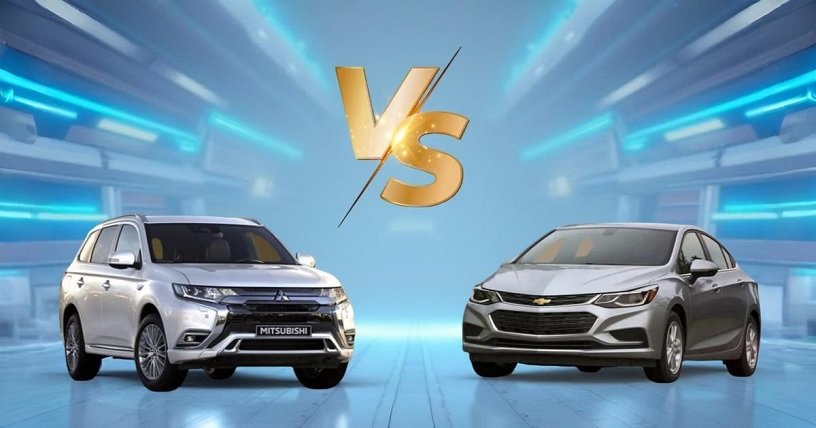
If you’re planning to drive across Dubai, Abu Dhabi, Sharjah, or even head toward the mountains and desert edges, choosing between a sedan and an SUV for UAE travel can shape your whole trip—comfort, costs, parking stress, and even what routes you feel confident taking. The UAE has world-class highways, but also tight city parking, aggressive speed control, heat, occasional sand haze, and road surfaces that change fast once you leave the main corridors. The “right” choice depends less on what looks good and more on how you’ll actually use the car day to day.
In case you’re leaning toward an upscale SUV experience for city + highway comfort, you can start here: Porsche Cayenne Rental Dubai.
Choosing Between a Sedan and an SUV for UAE Travel: What Really Matters in Real Driving
When people compare sedans and SUVs, they often focus on style. In the UAE, the practical differences show up quickly because driving patterns are very specific: high-speed highways (like Sheikh Zayed Road and long inter-emirate routes), stop-and-go congestion at peak times, tight parking in busy districts, and strong summer heat that makes cabin cooling and sun exposure feel more intense. Your decision should center on five real-world factors: where you’ll drive, how many people you carry, how much luggage you have, how confident you are with larger vehicles, and what comfort level you expect for longer distances.
A sedan is usually the “easy mode” choice for city movement—lower, lighter, and often simpler to park. An SUV often feels more relaxed at speed and over bumps, with extra cabin room and a higher seating position that can reduce fatigue. Importantly, an SUV is not automatically better for “desert driving.” Most tourists don’t need dunes; they need stable highway cruising, comfortable AC, and a vehicle that fits their itinerary.
Sedan vs SUV in the UAE: Comfort, Space, and Heat Management
Cabin comfort on long UAE drives (Dubai ↔ Abu Dhabi and beyond)
The UAE is built for driving, and it’s common to do 1–2 hour highway stretches. On these routes, comfort is a mix of seat support, ride quality, and cabin noise. Many modern sedans have composed rides and excellent stability, but an SUV—especially a premium one—often offers a more “floating” comfort over expansion joints and patchy surfaces.
Key comfort differences you’ll feel:
- SUV advantage: Higher seating position can reduce neck strain and improve forward visibility in heavy traffic.
- Sedan advantage: Lower center of gravity often feels more planted in lane changes at speed.
- Tie-breaker: Tire choice and trim level can matter more than body style (some big-wheel SUVs ride firmer than expected).
Space for passengers and luggage
This is where SUVs commonly win. UAE trips often include shopping, beach gear, strollers, and multiple bags. A sedan trunk can be deep but limited by trunk opening size; an SUV cargo area is easier for bulky items.
Choose an SUV if you expect:
- 4–5 adults plus luggage
- Large suitcases + shopping bags
- Kids’ gear (stroller, car seat, beach tent, cooler)
Choose a sedan if you expect:
- 1–3 people traveling light
- Mostly city errands, restaurants, and malls
- Minimal luggage and easy parking needs
Choosing Between a Sedan and an SUV for UAE Travel: Parking, City Driving, and Daily Convenience
Parking and tight spaces in Dubai and Sharjah
Parking convenience is not a small issue in the UAE. Many popular areas have compact bays, pillars, and tight turns in basement parking. A sedan typically makes this easier because it’s shorter and lower, with a turning feel that’s more predictable for many drivers.
Sedan strengths in city driving:
- Easier to fit into narrow spaces
- Often better turning feel and visibility around corners (especially in older parking structures)
- Less “width anxiety” in tight ramps and crowded lots
SUV strengths in city driving:
- Better curb and speed-bump clearance (useful in some residential areas)
- Higher viewpoint helps with traffic reading and merging
- Rear hatch access can be more convenient than a trunk for loading bags
Toll gates and traffic flow
Dubai’s Salik toll system is seamless for renters, but stop-and-go traffic can affect comfort and fuel use. In congestion, the difference between sedan and SUV is mostly about heat load and idling comfort—both are fine in modern vehicles, but larger SUVs generally consume more fuel when creeping in traffic.
Fuel, Costs, and Practicality: Sedan vs SUV for UAE Travel
Fuel prices in the UAE are generally lower than in many countries, but long distances add up—especially if you’re doing Dubai ↔ Abu Dhabi multiple times or taking extra drives to attractions outside city centers. The biggest cost difference usually comes from fuel use and sometimes rental pricing for larger SUVs.
Useful real-world “planning numbers” (approximate ranges)
Exact figures depend on model, engine, driving style, and AC usage, but these ranges help decision-making:
- Typical sedan fuel economy: often around 12–18 km/L on mixed driving for modern mid-size sedans
- Typical SUV fuel economy: often around 8–14 km/L depending on size and engine
- Comfort expectation: SUVs often feel less tiring for tall passengers due to headroom and seating posture
- Parking confidence: sedans usually feel simpler for new-to-UAE drivers in busy districts
If your itinerary includes mostly highways and you value comfort, the extra fuel can be worth it. If you’re optimizing budget and simplicity, a sedan usually wins.
Safety and Driving Feel in UAE Conditions (Speed, Cameras, Sand, and Visibility)
Driving in the UAE is straightforward, but it’s fast. Speed limits are clearly posted and speed cameras are common. The safest car is the one you drive confidently and smoothly.
Sedan vs SUV stability and visibility
- Sedan: Often feels stable and predictable at highway speeds due to lower center of gravity.
- SUV: Higher seating improves visibility, which can help you anticipate lane changes and sudden braking ahead.
Sand haze and strong sun
Occasional sand in the air can reduce contrast, especially at sunrise/sunset. A higher seating position can help, but the biggest helpers are simple: clean windshield, good wipers, and maintaining safe following distances.
Ground clearance: what you actually need
For normal travel—cities, highways, most tourist destinations—you don’t “need” high clearance. But clearance is useful for:
- steep ramps and speed humps
- uneven access roads around some desert-edge camps or less-developed parking areas
If you plan true off-road dune driving, you need the right vehicle and setup—and typically experience and guidance. For most visitors, an SUV is chosen for comfort and space, not dunes.
“Choose the vehicle that matches your route—not your mood.” This simple rule prevents most regret rentals.
A Simple Decision Checklist: Choosing Between a Sedan and an SUV for UAE Travel
Pick a sedan if you want:
- Easier parking in dense areas
- Lower fuel use for lots of daily driving
- A more nimble feel in traffic
- A “simple and efficient” travel style (hotel → mall → restaurants → meetings)
Pick an SUV if you want:
- More luggage room and flexible loading
- Higher seating for visibility and comfort
- More comfort for families and longer road trips
- A stronger “all-around” feel for mixed city + highway days
Quick “traveler type” match
- Solo / couple, city-heavy itinerary: Sedan
- Business travel with meetings across town: Sedan (less parking stress)
- Family with stroller + bags: SUV
- Group of 4–5 with luggage: SUV
- Long highway touring (Dubai–Abu Dhabi–Al Ain style days): Often SUV for comfort, sedan for efficiency—choose based on budget and passenger comfort
Common Mistakes People Make When Choosing Between a Sedan and an SUV in the UAE
- Overestimating off-road needs: Most UAE travel is paved and high-quality. Choose off-road capability only if your plan truly requires it.
- Ignoring luggage volume: Four people with four suitcases can feel cramped fast in a sedan trunk.
- Underestimating parking: A large SUV can be stressful in tight basement parking if you’re not used to the size.
- Not thinking about daily route patterns: Repeated short trips with heavy traffic punish fuel economy more than you expect.
- Choosing by badge alone: Seat comfort, visibility, and cameras/sensors matter more than brand for daily ease.
Final Take: Choosing Between a Sedan and an SUV for UAE Travel
The best answer to Choosing Between a Sedan and an SUV for UAE Travel is the one that matches your real itinerary. If you value easy parking, lower running costs, and simple city mobility, a sedan is hard to beat in Dubai and Sharjah. If you prioritize space, comfort, visibility, and relaxed long-distance driving, an SUV often delivers a smoother, more flexible UAE experience—especially with family, shopping, or bigger luggage needs. Decide based on your passenger count, luggage, route mix, and comfort expectations, and you’ll enjoy the roads here exactly as they’re meant to be driven: confidently and comfortably.